Zirconia Telescopic Crowns

Zirconia Telescopic Crowns

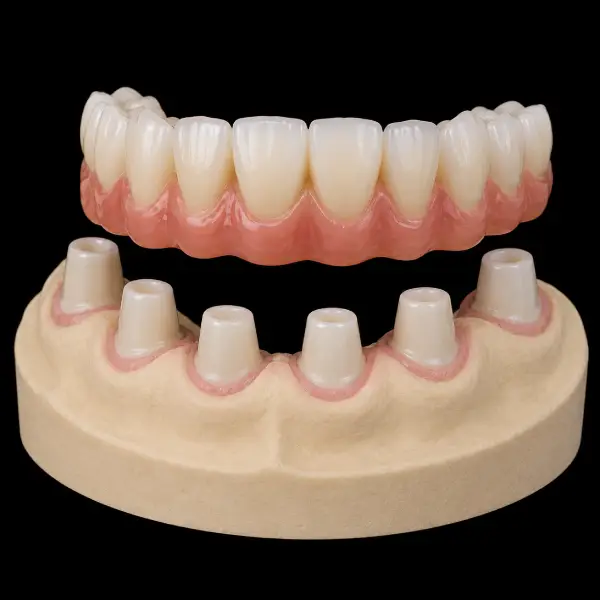
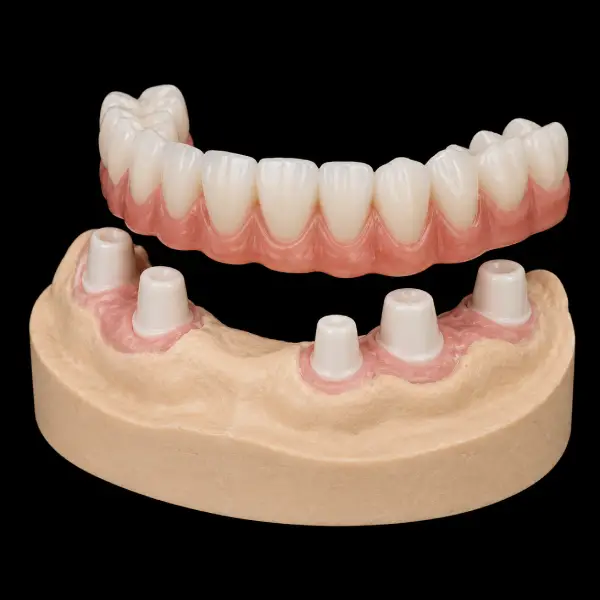
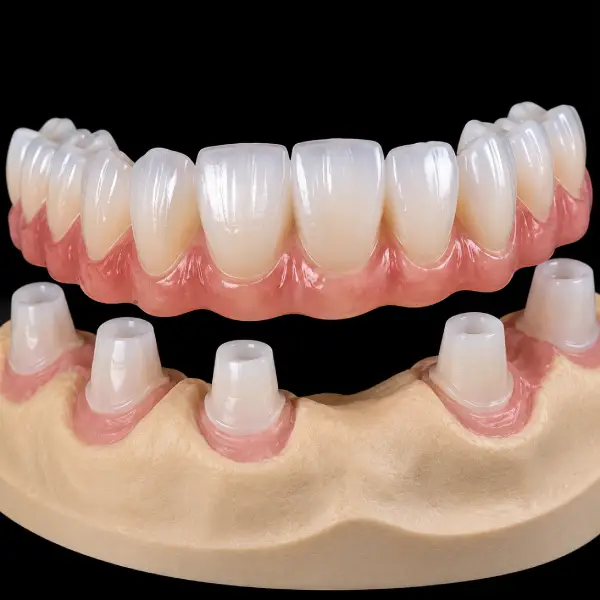
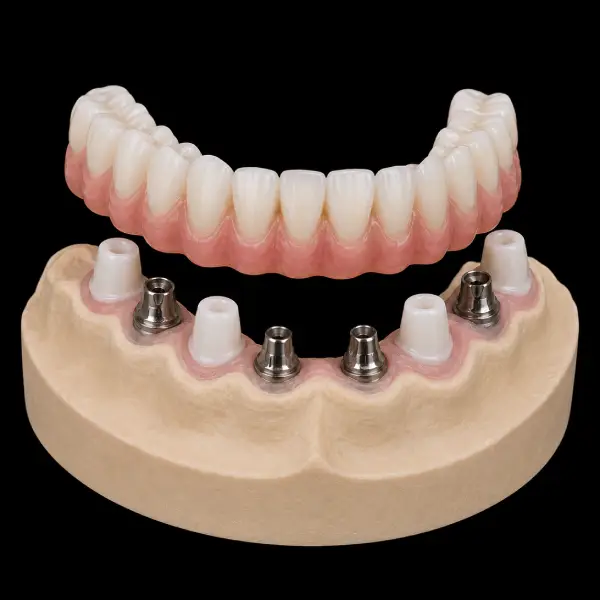
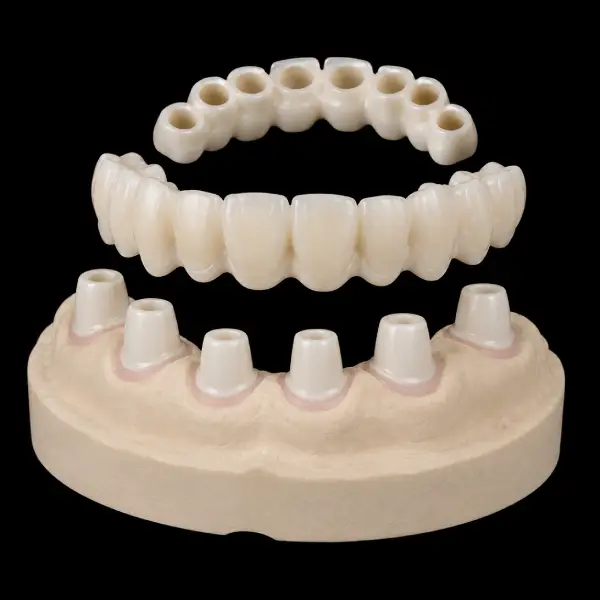
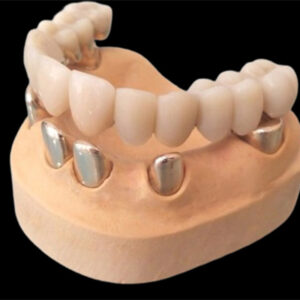
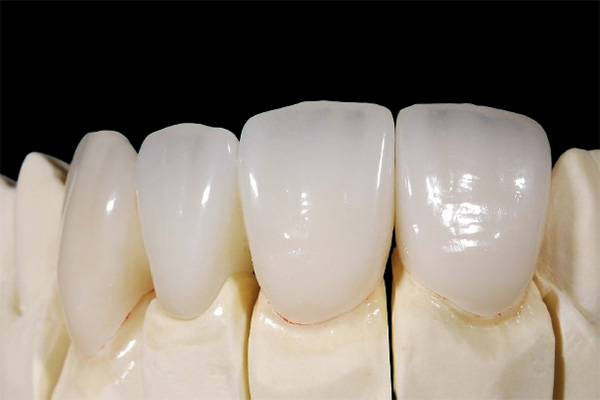
Bestodental zirconia telescopic crowns are made from high-purity zirconia materials and advanced manufacturing processes for long-lasting comfort and optimal clinical performance.

  • Aesthetic and natural-looking—seamlessly integrates with the patient’s dentition.
  • High strength and wear resistance—minimizes fracture risk and ensures long service life.
  • Excellent biocompatibility—non-irritating to gums and soft tissue.
  • Engineered with CAD/CAM technology for precise fit and superior retention.


Conical (Konus) Zirconia Telescopic Crowns

Conical (Konus) Zirconia Telescopic Crowns

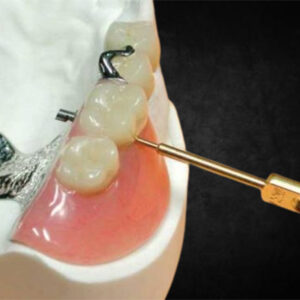
Our Conical Zirconia Telescopic Crowns glide smoothly into place and hold firm thanks to their tapered shape, built for precise fit in removable dental setups. Their form creates steady grip without irritation, working quietly inside the mouth over years. Crafted from zirconia, they resist wear while blending naturally with surrounding teeth. The material plays well with gum tissue, avoiding reactions that trouble lesser alloys. Light catches them just like real enamel, so smiles stay undisturbed. Each piece fits snug yet slips on during adjustments, balancing strength with access. Long after placement, color stays true and edges remain sharp under scrutiny.

  • Material: Monolithic Zirconia
  • Design: Conical (Konus) Taper Retention System
  • Strength: High Fracture Resistance
  • Recommended For:
    • Telescopic Partial Dentures
    • High-Aesthetic Prosthetic Cases
    • Long-Term Removable Restorations
 

Conical (Konus) Zirconia Telescopic Crowns

Cylindrical Zirconia Telescopic Crowns

Our Cylindrical Zirconia Telescopic Crowns keep walls evenly spaced from the start. Because of that setup, grip stays consistent each time. Movement into place follows a reliable track every single use. When it comes to taking them out, the path remains just as steady. This behavior supports smoother handling during prosthetic routines involving removal.

  • Material: Monolithic Zirconia
  • Design: Cylindrical Parallel-Wall Structure
  • Precision: High Milling Accuracy
  • Recommended For:
    • Removable Partial Dentures
    • Guideway-Supported Telescopic Systems
    • Cases Requiring Stable Path of Insertion
 

Resilient Zirconia Telescopic Crowns

Resilient Zirconia Telescopic Crowns

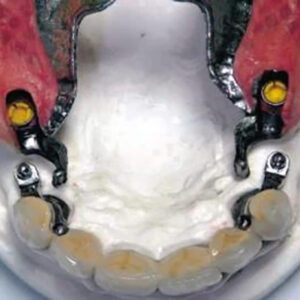
Our Strong Zirconia Telescoping Crowns handle tiny shifts on purpose from the start. Because of that design, pressure spreads more evenly across the tooth structure. This means less strain where it matters most – right at the support base. When gums act up or situations get tricky, they hold their ground. Movement isn’t stopped – it’s used. Protection improves without forcing rigidity. That balance makes a difference when conditions aren’t ideal.

  • Material: High-Strength Monolithic Zirconia
  • Design: Controlled Resilient Fit Interface
  • Function: Stress Absorption & Load Distribution
  • Recommended For:
    • Periodontally Compromised Patients
    • Long-Span Prosthetic Restorations
    • Cases Requiring Reduced Abutment Stress
 

Implant-Assisted Zirconia Telescopic Crowns

Implant-Assisted Zirconia Telescopic Crowns

Our Implant Supported Zirconia Telescopic Crowns help hold dentures steady when both real roots and artificial anchors share the job. Pressure spreads better across them, so everything stays put more reliably.

  • Material: Monolithic Zirconia
  • Support Type: Combined Tooth-Implant Assisted System
  • Function: Hybrid Load Sharing Design
  • Recommended For:
    • Partially Edentulous Cases with Implants
    • Mixed Support Removable Prostheses
    • Cases Requiring Enhanced Stability
 

Implant-Supported Zirconia Telescopic Crowns

Implant-Supported Zirconia Telescopic Crowns

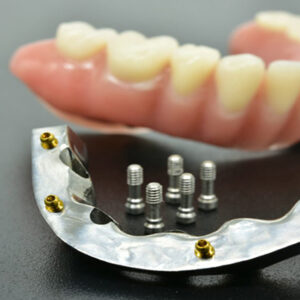
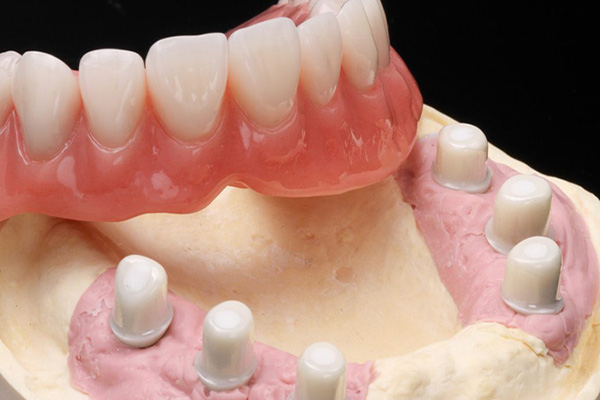
Our Implant Supported Zirconia Telescopic Crowns snap onto implants with tight accuracy. Built from zirconia, they hold firm during daily use while looking natural. Precision shaping means less adjustment at the dentist chair. Stability improves when the mouth moves, chewing without slip. A smooth finish helps them blend next to real teeth. Long-lasting results come from strong materials working quietly behind the scenes.

  • Material: Monolithic Zirconia
  • Support Type: Full Implant-Supported Telescopic System
  • Strength: High Fracture Resistance with Precision Fit
  • Recommended For:
    • Implant Overdentures
    • Full Arch Implant Restorations
    • High-Stability Removable Prostheses


Clinical & Technical Information

Zirconia Telescopic Crown is a high-precision double-crown prosthetic system made from advanced zirconia ceramic materials. It combines excellent esthetics, high strength, and modern CAD/CAM manufacturing accuracy to provide a metal-free telescopic restoration option. BestoDental Zirconia Telescopic Crowns are designed for esthetic-sensitive, biocompatible, and long-term stable removable–fixed hybrid prosthetic cases, including tooth-supported and implant-assisted rehabilitations.

1. Indications

Our Zirconia Telescopic Crown systems are Suitable For:

  • Esthetic-demanding telescopic prosthetic cases requiring metal-free restorations
  • Partially edentulous patients requiring high-retention double-crown systems
  • Cases with compromised abutment teeth requiring splinting and load distribution
  • Patients with metal allergy or metal-free preference requirements
  • Anterior and posterior esthetic zone restorations requiring superior translucency
  • Long-span partial denture or bridge-supported telescopic systems
  • Implant-assisted telescopic restorations combining natural teeth and implants

2. Technical Specifications

Technical Parameter Specification
Material Type High-strength zirconia ceramic (3Y-TZP / 4Y / 5Y translucent zirconia depending on variant)
Restoration Type Double-crown telescopic crown system (primary + secondary crowns)
Product Variants Conical (Konus) Zirconia Telescopic Crowns / Cylindrical Zirconia Telescopic Crowns / Resilient Zirconia Telescopic Crowns / Implant-Assisted Zirconia Telescopic Crowns / Implant-Supported Zirconia Telescopic Crowns
Manufacturing Method High-precision CAD/CAM milling and sintering of zirconia blocks
Retention Mechanism Friction-fit between primary zirconia coping and secondary crown structure
Framework Type Metal-free telescopic double-crown system
Abutment Support Natural teeth, implant abutments, or combined tooth–implant support systems
Fit Accuracy Ultra-high precision CAD/CAM fit with controlled frictional tolerance
Retention Strength Adjustable friction based on taper design and surface polishing protocol
Occlusal Design Balanced occlusion with controlled load distribution for ceramic systems
Esthetic Performance High translucency and natural tooth-like optical properties
Surface Treatment High-gloss polishing or customized glaze for optimized friction and esthetics
Wear Resistance High ceramic wear resistance with stable long-term retention behavior
Fracture Strength High-strength zirconia depending on material grade (3Y/4Y/5Y system selection)
Biocompatibility Excellent tissue compatibility and metal-free safety profile
Parallelism Requirement High precision abutment preparation required for telescopic retention stability
Clasp Visibility No visible clasps required (esthetic advantage)
Digital Workflow Compatibility Compatible with STL files, exocad, 3Shape, and CAD/CAM zirconia telescopic workflows
Impression Type Digital intraoral scanning or conventional impression supported
Adjustment Capability Retention adjusted via precision polishing and internal surface refinement
Repairability Limited intraoral repair; requires laboratory adjustment for modifications
Case Turnaround Time 6–12 working days depending on complexity and zirconia type

3. Aesthetics

Here are the aesthetics for our Zirconia Telescopic Crown systems:

1) Metal-Free High-End Esthetics

Zirconia telescopic crowns provide a completely metal-free restoration with superior visual integration.

2) Natural Tooth-Like Translucency

High-translucency zirconia mimics natural enamel with excellent light transmission properties.

3) Invisible Retention System

Double-crown design eliminates visible clasps and external retention components.

4) Premium Digital Esthetic Precision

CAD/CAM fabrication ensures consistent morphology, symmetry, and long-term esthetic stability.

Order FAQs

1. Information Needed for Zirconia Telescopic Crown Submission?

Start by sharing the patient’s full name. The shape of the prepared supporting tooth matters – describe it clearly. Tell us which dental arch is involved. Send either an STL file or physical impression. Include how the upper and lower teeth meet when biting down. Explain exactly how the inner and outer crowns should be shaped, step by step.

2. Got digital scans?
We can work with those. Compatibility depends on your setup – some machines fit right in, others need adjustments. Different tools link up differently, so it varies by brand and model.

3. Typical Turnaround Time for Zirconia Telescopic Crown Cases?

Most jobs wrap up in about six to ten workdays once the design gets signed off. When it comes to intricate full-arch setups or those needing implant support, expect a longer wait. Though timelines shift slightly depending on complexity.

4. What are the advantages of zirconia in telescopic crown systems?

Starting strong, zirconia stands out due to its durability. Its ability to play well with body tissues is a quiet advantage. Beauty-wise, it performs beyond expectation. Because of these traits, it fits naturally into crowns without metal. A solid pick when blending function and look matters.

5. Which cases are suitable for zirconia telescopic crowns?

For those who need alternatives to metal, these work well. When appearance matters most, they hold up nicely. Fewer teeth? They still fit into the picture. Even when dentures must stay firmly in place, they deliver without relying on metal parts.

6. How is retention achieved in zirconia telescopic systems?

Built right, the two zirconia crowns hold tight by careful spacing that guides how they slide together. Friction keeps them in place when fitted just so. One piece moves into the next with exact room to spare. Close contact does the job without extra help. The grip comes alive once alignment meets design. Tight control over space sets everything in motion.

7. Can zirconia telescopic crowns be used for full-arch cases?

True. Often found in complete dentures, these devices sometimes pair with dental implants to boost stability.

8. What records are recommended for zirconia telescopic cases?

Start by sharing precise details about how teeth were shaped. Include primary models, digital scans, or molds of the prepared area. A record of how upper and lower teeth meet matters too. Don’t skip documentation of the opposite jaw. Design notes should arrive plainly spelled out.

9. What is the difference between zirconia and metal telescopic crowns?

With zirconia, looks matter more plus it skips the metal entirely. On the flip side, metal setups bend easier when tuning resistance.

10. Can zirconia telescopic crowns be combined with implants?

True. When implants are involved, zirconia telescopes often step in – offering a firmer hold where dental challenges stack up. Their role shows most when balance and structure start to slip. With them, the setup resists shifting more quietly. Strength spreads across the system, not just one spot. Integration happens smoothly if angles align early. Support grows without adding bulk. Cases that lean on multiple points benefit here. Stability changes noticeably once connections lock in place.

Scroll to Top

Get Quote Now

Your inquiry will be replied to in 24 hours