|
|
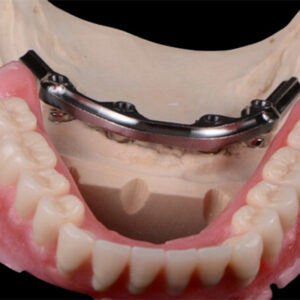
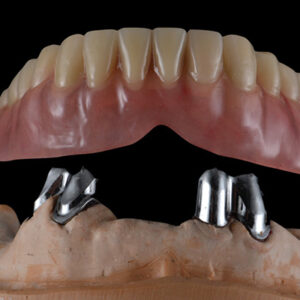
Standard Magnetic AttachmentBestoDental Standard Magnetic Attachment From start to finish, BestoDental crafts standard magnetic attachments suited for common overdenture needs – offering steady retention without surprise shifts during use. Built into each unit is a focus on smooth chairside placement, so adjustments take less time while lasting results remain unchanged through regular wear. The entire setup holds up well under everyday removal and reinsertion, functioning without sudden drops in strength or alignment.
|
|
|
Low-Profile Magnetic AttachmentOur Low-Profile Magnetic Attachment Engineered by BestoDental, our low-profile magnetic attachments suit situations where vertical room is tight. These units hold firmly through magnetic force without adding extra thickness. Designed small on purpose, they help keep dental prostheses sleek when space poses a challenge. Their build allows dentists to work smarter under narrow constraints.
|
|
|
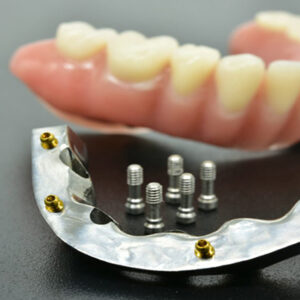
High-Retention Magnetic AttachmentBestoDental High-Retention Magnetic Attachments are developed to provide increased magnetic force and enhanced prosthesis stability under functional load. Our reinforced magnetic system supports secure retention for patients requiring stronger overdenture performance.
|
|
|
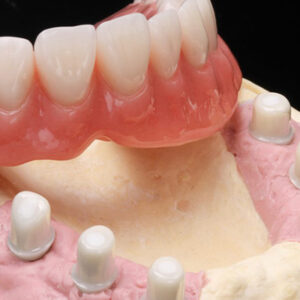
Implant Magnetic AttachmentBestoDental Implant Magnetic Attachment Engineered exclusively by BestoDental, our Implant Magnetic Attachments serve implant-supported overdentures with precise magnetic hold. These components link implants to detachable prostheses using balanced attraction forces. Stability of the prosthesis increases thanks to consistent retention control. Movement during use becomes less noticeable, raising comfort levels noticeably. Functionality improves without relying on mechanical clasps or adhesives.
|
Magnetic Attachment
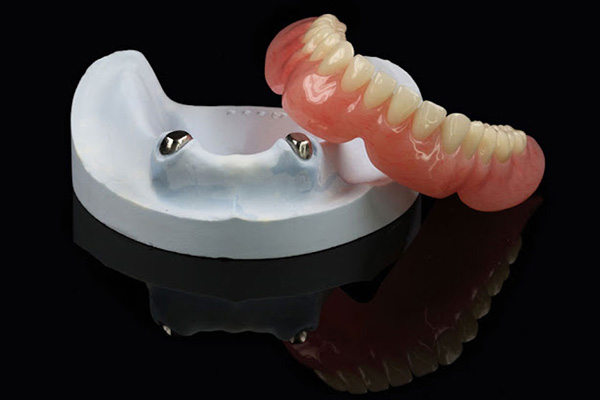
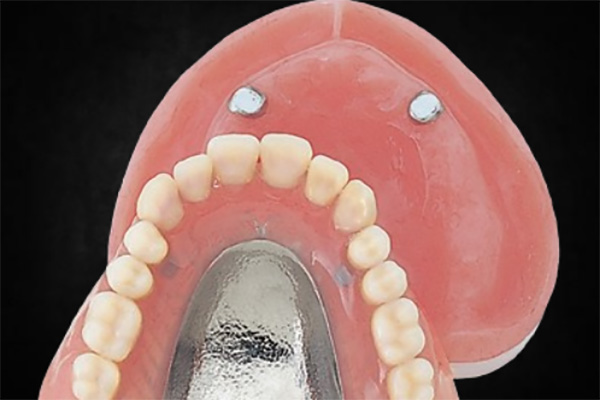
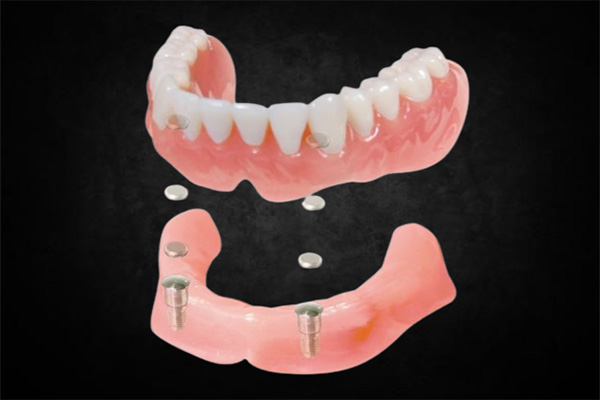
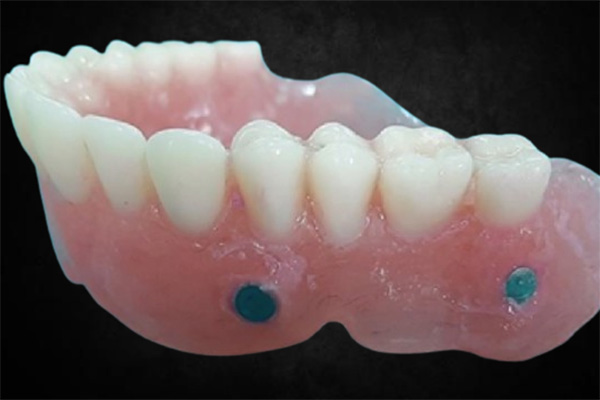
Magnetic Attachment
Bestodental’s magnetic attachment system delivers strong support, high stability, and dependable retention for both implant-retained and tissue-supported overdentures—designed to meet the demands of modern prosthetic dentistry.
- Improves patient comfort and enhances chewing efficiency for daily use.
- Magnetic retention enables easy, intuitive insertion and removal.
- Ring-free design ensures a clean, streamlined, and esthetically pleasing finish.
- Provides secure multi-directional fixation to prevent denture displacement.
BestoDental utilizes the newest manufacturing and magnetic technology to design superior-quality magnetic attachments—depended on by dental labs and clinicians across the globe for reliability, ease, and longevity.
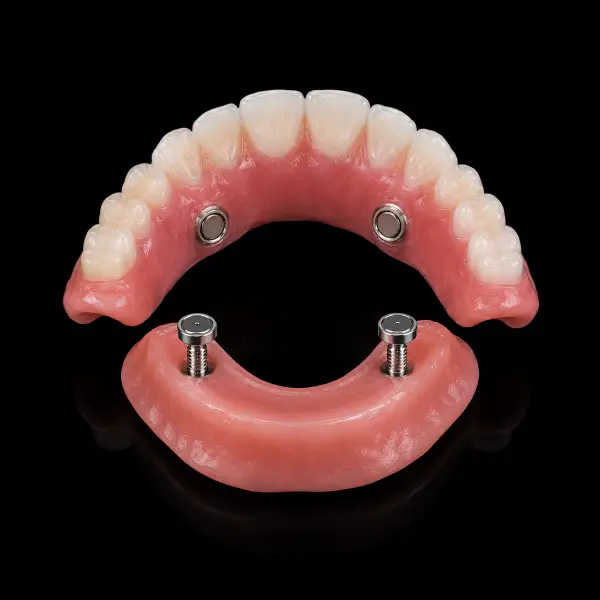
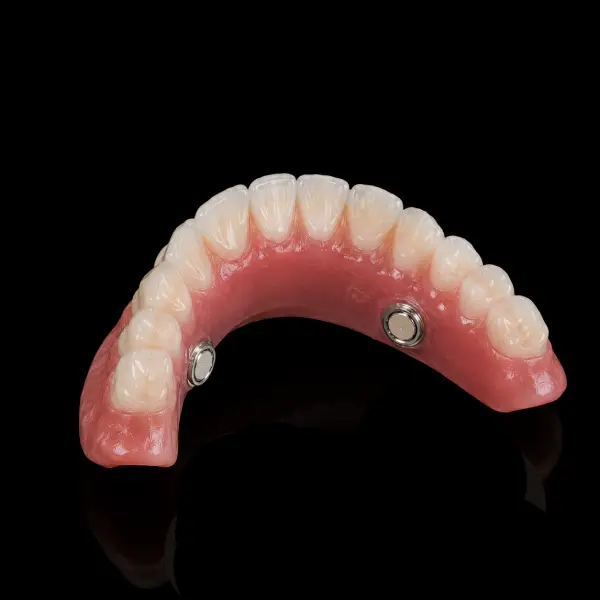
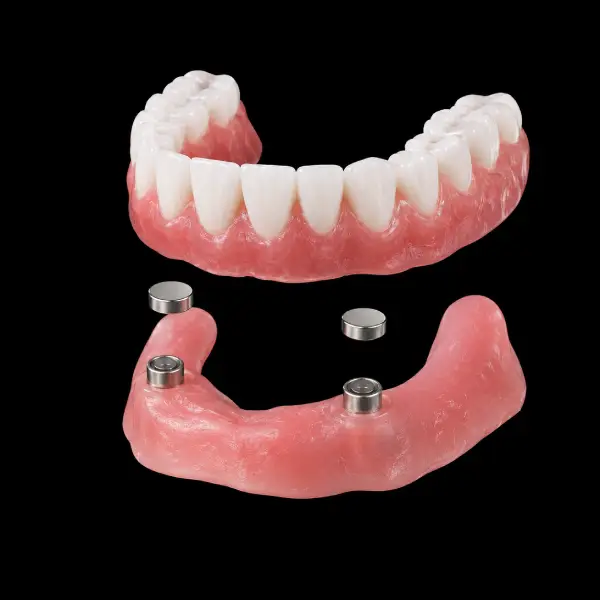
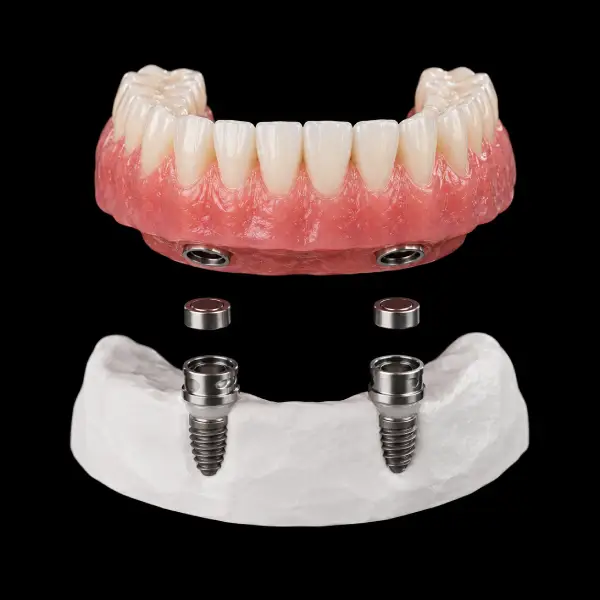
Clinical & Technical Information
Found inside some dental prosthetics, magnetic attachment works by using invisible force to hold pieces securely without clips or screws. This kind of connection offers steady grip yet stays gentle on surrounding tissues, making daily use more comfortable. Though small in size, its design supports lasting function across different mouth conditions. Whether fixed over implants or real teeth, it performs reliably under regular wear. Engineered carefully, each unit resists corrosion and maintains strength over time. Movement stays controlled, even when pressure changes during chewing or speaking. Stability comes not from tight fit but balanced attraction between components.
1. Indications
Our Magnetic Attachments are Suitable For:
- Implant-supported overdentures (full-arch or partial arch cases)
- Tooth-root retained overdentures (endodontically treated abutments)
- Patients with reduced manual dexterity requiring easy insertion/removal prostheses
- Severely resorbed ridges where conventional mechanical retention is limited
- Cases requiring stress-free retention without rigid mechanical engagement
- Geriatric patients needing low-maintenance removable prostheses
- Combination cases with limited interarch space requiring simplified retention systems
2. Technical Specifications
| Technical Parameter | Specification |
| Material Type | Rare-earth permanent magnets (NdFeB or equivalent) + stainless steel encapsulated housing system |
| Restoration Type | Magnetic overdenture retention system |
| Product Variants | Standard Magnetic Attachment / Low-Profile Magnetic Attachment / High-Retention Magnetic Attachment / Implant Magnetic Attachment |
| Retention Mechanism | Magnetic attraction system (non-mechanical friction-free retention) |
| Retention Force Range | Approx. 150–600 g (model-dependent: Low / Standard / High retention options) |
| Retention Level | Low / Medium / High (adjusted by magnet strength and configuration) |
| Vertical Space Requirement | Low-Profile: minimal clearance design; Standard & Implant types: moderate prosthetic space required |
| Horizontal Space Requirement | Optimized compact design for overdenture housing integration |
| Stress Distribution | Passive stress transfer with reduced lateral force on abutments and implants |
| Corrosion Resistance | Fully sealed encapsulation to resist saliva, moisture, and oral environment degradation |
| Compatibility | Natural tooth roots, copings, bar overdentures, implant abutments |
| Attachment Housing | Precision metal housing with embedded sealed magnetic core system |
| Laboratory Workflow | Conventional denture processing and CAD/CAM-assisted design compatible |
| Maintenance Requirement | Minimal maintenance; periodic clinical evaluation of retention force recommended |
| Longevity | Long-term clinical use with gradual, predictable magnetic force reduction over time |
| Case Turnaround Time | 2–5 working days depending on case complexity and workflow type |
| Radiographic Consideration | Compatible with routine dental radiography; MRI precautions may be required depending on system type |
3. Aesthetics
Here are the aesthetics for our Magnetic Attachment system:
1) Invisible Retention System
Magnetic Attachment eliminates visible clasps, providing a clean and esthetically superior removable prosthesis design.
2) Low-Profile Integration
Especially in Low-Profile Magnetic Attachment, the system integrates discreetly within limited prosthetic space without compromising esthetics or function.
3) Soft Tissue Friendly Design
Non-mechanical retention reduces pressure points and improves mucosal comfort, contributing to a more natural gingival appearance.
4) Stable Denture Positioning
Magnetic retention ensures consistent prosthesis positioning, reducing movement during speech and mastication for improved facial esthetics.
Order FAQs
1. What information is required to submit a Magnetic Attachment case?
Specify support type (tooth root, crown, or implant) and missing teeth classification. Indicate restoration design (overdenture, bar-supported, or implant-retained overdenture). Provide clear vertical and horizontal space measurements. Define retention type (Standard, Low-Profile, High-Retention, or implant-based). Submit full-arch impression or STL file. Include accurate bite records and opposing dentition details for alignment.
2. Digital scan compatibility and workflow support?
Yes. We fully support digital workflows with STL files from 3Shape, exocad, Medit, iTero, and other open formats. Hybrid workflows combining digital planning and traditional denture fabrication are also supported when needed.
3. How long do Magnetic Attachment cases take?
Typically 2–5 working days after design approval. Full-arch implant or bar-supported cases may take longer due to added complexity. Lab workload and workflow type can also affect timing.
4. Choosing the right Magnetic Attachment type?
Standard: general overdenture use.
Low Profile: limited vertical space cases.
High Retention: stronger fixation requirements.
Implant Magnetic Attachment: implant-supported overdentures.
Selection depends on anatomical space and prosthetic design.
5. Can Magnetic Attachment be used for both teeth and implants?
Yes. It can be used with natural tooth roots or implants. Proper placement of copings, housings, or implant fixtures is required for stable retention. Accuracy during setup is critical.
6. How is retention strength adjusted?
Retention depends on magnet type and configuration. Options include low, standard, and high retention. For implant cases, changing magnet housings or combinations allows adjustment of holding strength.