Telescopic Partial Dentures

Telescopic Partial Dentures

Bestodental provides telescopic partial dentures that are fully customized to each patient’s oral condition, ensuring a precise, comfortable, and clinically reliable fit.

  • Double-crown design composed of a primary coping and a secondary crown offers excellent retention and long-term stability.
  • Effectively restores bite force and improves masticatory efficiency.
  • Clinically flexible and easily adjustable, allowing for future modifications.
  • Helps preserve remaining natural teeth and supports long-term alveolar bone health.
 

Conventional Telescopic Partial Denture

Tooth-Supported Telescopic Partial Denture

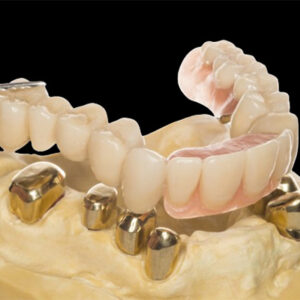
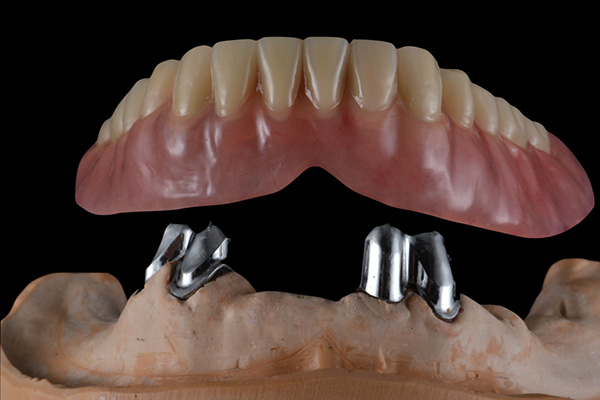
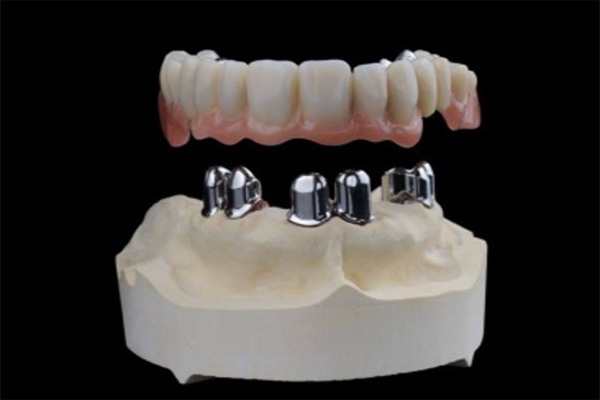
BestoDentalStandard Tooth Supported Telescopic Partial Denture builds Tooth-Supported Telescopic Partial Dentures using two crowns that fit together tightly.

  • Material: Metal Framework with Precision-Milled Telescopic Crowns
  • Restoration Type: Tooth-Supported Removable Partial Denture
  • Retention System: Telescopic Double-Crown Design
  • Stability: High Retention with Controlled Insertion Path
  • Recommended For:
    • Partially Edentulous Cases with Strategic Abutment Teeth
    • Patients Requiring Enhanced Denture Stability
    • Long-Term Removable Prosthetic Solutions
    • Esthetic and Functional Partial Denture Restorations
 

Primary-Secondary Crown Telescopic System

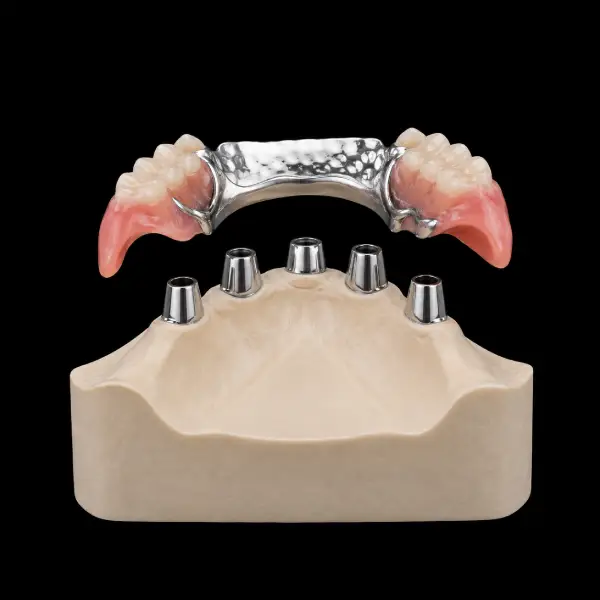
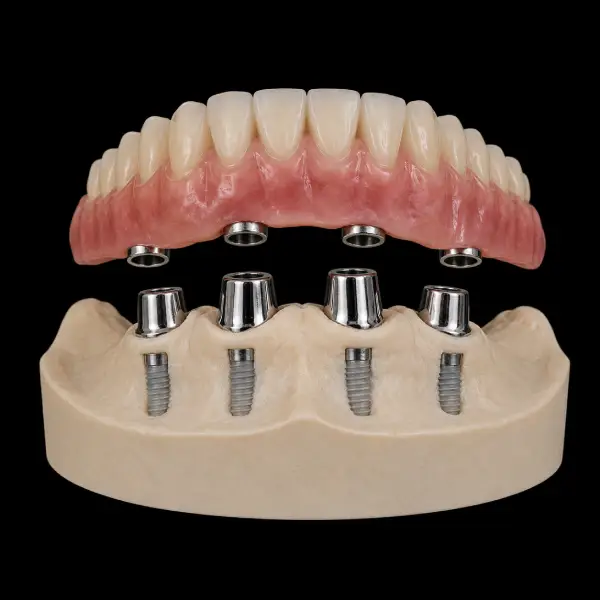
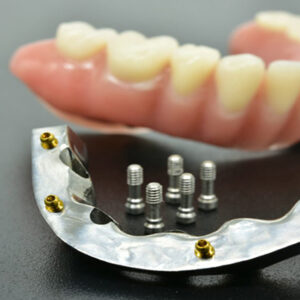
Implant-Supported Telescopic Partial Denture

Our Implant Supported Telescoping Partial Denture This denture uses dental implants paired with a special double-cap crown design – so it holds tight, stays put during chewing, doesn’t wobble, spreads pressure evenly.

  • Material: Metal Framework with Precision-Milled Telescopic Components
  • Restoration Type: Implant-Supported Removable Partial Denture
  • Retention System: Telescopic Double-Crown Structure on Implants
  • Stability: High Retention with Optimized Load Distribution
  • Recommended For:
    • Implant-Supported Partial Edentulism Cases
    • Patients Requiring Enhanced Denture Stability
    • Long-Term Removable Implant Prosthetic Solutions
    • Cases Requiring Improved Chewing Efficiency and Comfort
 

CAD/CAM Telescopic Partial Denture

Zirconia Telescopic Partial Denture

BestoDentalStandard Zirconia Telescopic Partial Denture Stability meets looks when zirconia forms the core of these partial dentures. A precise fit comes alive through telescopic design, locking things securely without metal showing up anywhere.

  • Material: High-Strength Zirconia with Precision-Milled Telescopic Components
  • Restoration Type: Tooth-Supported Removable Partial Denture
  • Retention System: Telescopic Double-Crown Design
  • Esthetics: Metal-Free and Highly Esthetic Solution
  • Recommended For:
    • Patients Requiring Metal-Free Partial Denture Solutions
    • Tooth-Supported Telescopic Prosthetic Cases
    • High Esthetic Zone Partial Denture Restorations
    • Long-Term Removable Prosthetic Rehabilitation
 

Metal Framework Telescopic Partial Denture

Metal Framework Telescopic Partial Denture

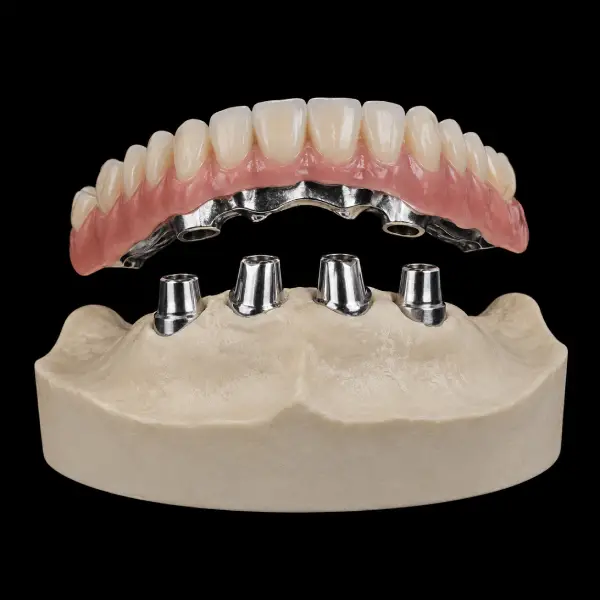
Our Metal Framework Telescopic Partial Denture Starting strong, these dentures use a firm metal base paired with sliding crowns for reliable support.

  • Material: Cobalt-Chrome / Titanium Framework
  • Structure: Metal Reinforced
  • Durability: High
  • Recommended For:
    • High Load Clinical Cases
    • Long-Term Removable Prosthetics
    • Multi-Abutment Support Cases
 

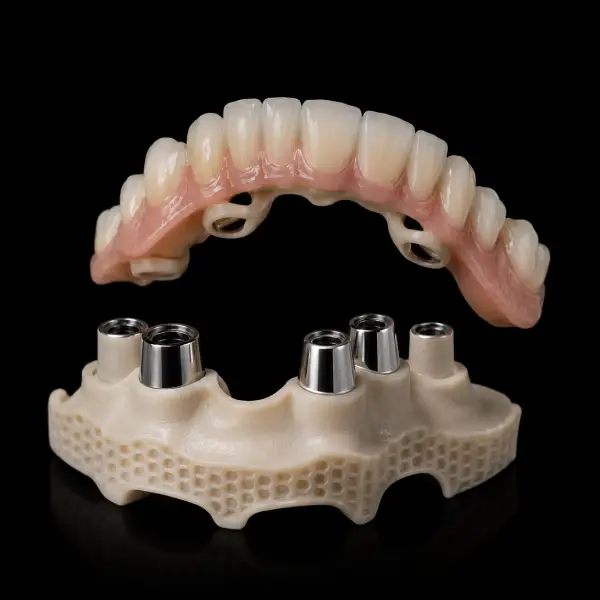
Implant-Assisted Telescopic Denture

Implant-Assisted Telescopic Denture

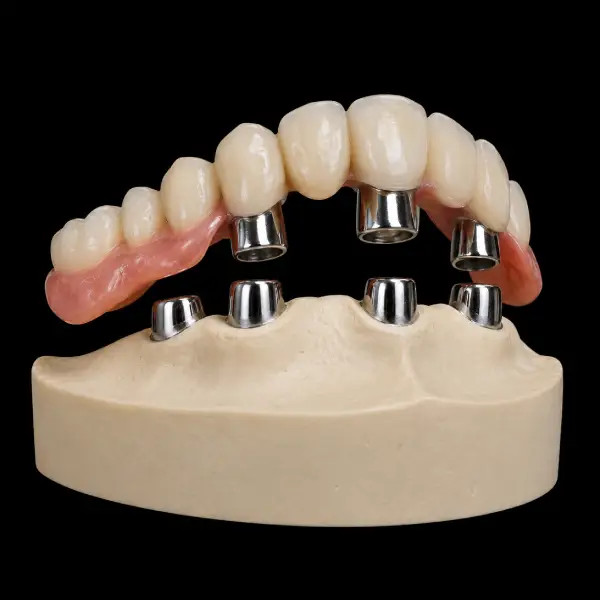
BestoDentalStandard Implant-Assisted Telescopic Denture Telescope-like parts snap into place when real teeth or screws in the jaw hold dentures steady. Stability improves because inner caps fit tightly within outer ones. These pieces work together – support grows stronger through precise alignment. Function follows form, yet movement stays limited. A snug match happens where metal meets tooth. Hidden clasps keep everything aligned without showing. What results is less slipping during use. Retention comes from shape, not adhesives. Support spreads evenly across anchor points. Balance shifts toward comfort with each fitting.

  • Support: Teeth + Implants
  • Retention: Telescopic System
  • Stability: Very High
  • Recommended For:
    • Mixed Tooth-Implant Cases
    • Full Arch Rehabilitation
    • High Retention Demand Cases
 

PEEK Telescopic Partial Denture

PEEK Telescopic Partial Denture

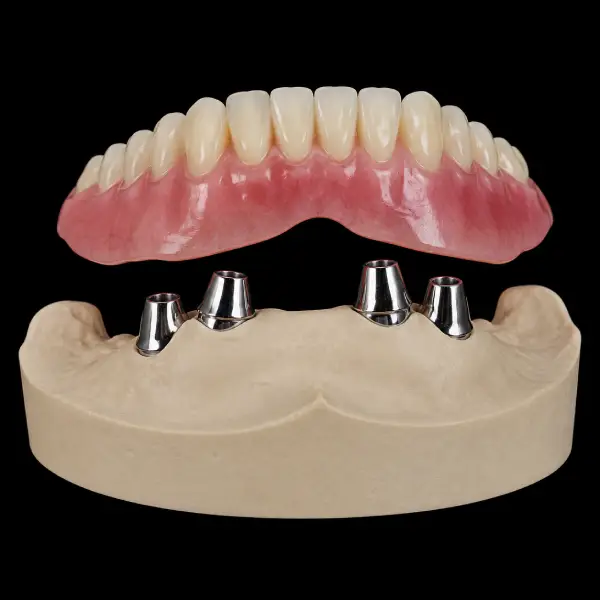
Our Peek Telescopic Partial Denture Light as air, this denture uses PEEK – a strong yet flexible material – offering a fit that stays put without metal parts. Instead of clunky clasps, tiny telescope-like caps lock it gently into place. Comfort comes first here, thanks to how softly it handles chewing forces.

  • Material: PEEK Framework with Precision-Milled Telescopic Components
  • Restoration Type: Tooth-Supported Removable Partial Denture
  • Retention System: Telescopic Double-Crown Design
  • Framework Characteristics: Lightweight, Flexible, and Metal-Free
  • Recommended For:
    • Patients Requiring Metal-Free Removable Prostheses
    • Tooth-Supported Telescopic Denture Cases
    • Cases Requiring Reduced Occlusal Stress Transmission
    • Long-Term Esthetic Partial Denture Restorations


Clinical & Technical Information

Telescopic Partial Denture is a precision removable prosthetic system based on double-crown (primary–secondary crown) retention technology. It combines fixed and removable prosthetic principles to achieve high stability, strong retention, and improved esthetic performance compared with conventional clasp dentures. Bestodental Telescopic Partial Denture systems are designed for complex partially edentulous and implant-assisted cases requiring controlled load distribution, predictable retention, and long-term functional reliability.

1. Indications

Our Telescopic Partial Denture systems are Suitable For:

  • Partially edentulous patients requiring high-retention removable prostheses
  • Cases with multiple abutment teeth suitable for double-crown support
  • Severely compromised dentition requiring splinting and redistribution of occlusal forces
  • Patients requiring improved stability compared to conventional clasp partial dentures
  • Long-span partial edentulism cases with limited implant feasibility
  • Implant-assisted overdenture cases requiring combined tooth–implant support
  • Patients with high esthetic demands avoiding visible clasps
  • Full-arch or near full-arch removable rehabilitation with strategic abutment distribution

2. Technical Specifications

Technical Parameter Specification
Prosthesis Type Double-crown telescopic removable partial denture system
Product Variants Conventional Telescopic Partial Denture / Primary-Secondary Crown Telescopic System / CAD/CAM Telescopic Partial Denture / Metal Framework Telescopic Partial Denture / Implant-Assisted Telescopic Denture / PEEK Telescopic Partial Denture / Zirconia Telescopic Partial Denture
Retention Mechanism Friction-based primary (inner) and secondary (outer) crown telescopic retention system
Manufacturing Method Lost-wax casting, precision milling, or CAD/CAM digital fabrication depending on system design
Framework Type Metal framework, zirconia structure, or PEEK-based framework depending on clinical requirements
Abutment Support Natural teeth, implant abutments, or combined tooth–implant support
Retention Strength Adjustable friction retention controlled by taper angle and precision fit of telescopic crowns
Fit Accuracy High-precision CAD/CAM or laboratory-controlled parallelism for optimal crown adaptation
Occlusal Design Balanced occlusion with controlled distribution of functional load across abutments
Clasp Visibility No visible clasps required, improving esthetics compared to conventional removable partial dentures
Primary Crown Material Metal alloys, zirconia, or CAD/CAM milled materials depending on system design
Secondary Crown Material Metal framework, zirconia, acrylic, composite, or hybrid restorative materials
Parallelism Requirement High-precision parallel preparation and design required for predictable retention
Digital Workflow Compatibility Compatible with STL files, exocad, 3Shape, and CAD/CAM telescopic design workflows
Impression Type Conventional impressions or digital intraoral scanning supported
Adjustment Capability Retention adjustment achievable through internal crown modification and polishing protocols
Repairability Moderate repairability; laboratory adjustment required for retentive fit modification
Case Turnaround Time 5–10 working days depending on number of abutments and structural complexity

3. Aesthetics

Here are the aesthetics for our Telescopic Partial Denture systems:

1) Invisible Retention System

The telescopic design eliminates visible clasps, significantly improving smile aesthetics and overall prosthetic discretion.

2) Natural Arch Continuity

Secondary crowns and prosthetic teeth create a continuous, anatomically guided dental arch appearance.

3) Stable Functional Esthetics

High retention stability minimizes prosthesis movement during function, maintaining consistent esthetic positioning.

4) Multi-Material Esthetic Integration

Flexible combination of metal, zirconia, acrylic, and PEEK components allows optimized functional and esthetic balance.

Order FAQs

1. Telescopic Partial Denture submission requirements?

Start by sharing the patient’s full name. Moving on, include details about which arch – either upper or lower – is involved. Send along STL scan files, or if those aren’t ready, go ahead and submit master impressions instead. The preparation shape of the supporting teeth needs to be clearly shown. Don’t skip recording how the upper and lower teeth come together when biting. Finish off with any exact directions you have for both the inner and outer crowns’ fit and form.

2. Got digital scans?

Right. Files from top intraoral scanners work here – STL output from 3Shape, Medit, or iTero fits just fine. Open-format STLs from exocad also go through. Most standard imports are supported without issue.

3. Telescopic Partial Denture case turnaround time?

Most orders wrap up in about six to ten workdays once the design gets signed off. When it comes to trickier setups – like double crowns or those using implants – expect a bit more time on the clock.

4. What types of restorations can Telescopic systems be used for?

Sliding mechanisms often appear in dental work when patients need part-time tooth replacements. These setups fit well with complete upper or lower arch solutions that come out easily. Sometimes they connect to artificial roots for extra stability. A snug yet attractive result drives their use in visible areas of the mouth.

5. How is retention achieved in telescopic dentures?

Stability comes from how tightly the inner crown grips the outer one – this snug match keeps everything firmly in place. Slippage stays minimal because contact points lock together just right, making movement predictable. The way these pieces hold on depends entirely on their shape meeting precisely. Firmness builds naturally when surfaces press without extra help. Control improves since nothing shifts too far once seated fully.

6. Which cases are most suitable for telescopic partial dentures?

For those who have few teeth left, these work well. When appearance matters a lot, they fit the need. Where standard removable partial dentures with clasps fall short, alternatives become necessary.

7. What records are recommended for telescopic cases?

Start by sharing precise details on how the abutment was shaped. A primary impression or digital STL file helps shape accuracy. Include a record of how teeth meet when biting down. Information about the opposite dental arch matters just as much. Line up each crown exactly using straightforward guidance.

8. Can telescopic dentures include implant support?

True. When dealing with full-arch situations that are more involved, using telescopic systems alongside implants helps spread out biting forces while enhancing support. It works because one part guides the other into place, creating a firmer fit than either could alone.

9. What materials are used for telescopic crowns and frameworks?

Most often, cobalt-chrome shows up when crafting main or backup crowns. Titanium steps in where specific patient needs shape the plan. Zirconia fits cases built around particular dental structures. Choice shifts based on how each mouth is set up.

10. What are the advantages of telescopic partial dentures?

Starting off differently, telescopic dentures hold firmly in place, look more natural, spread chewing forces evenly, while lasting longer than standard removable ones held by clasps.

Scroll to Top

Get Quote Now

Your inquiry will be replied to in 24 hours