|
|
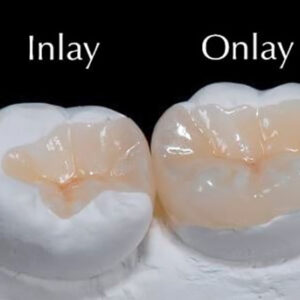
Zirconia InlaysBestoDental zirconia inlays are manufactured from high-strength zirconia and offer high resistance to fracture with a more natural tooth-like appearance. They are fabricated with great precision using digital technology, which leads to precise marginal adaptation and stability over time. Inlays are designed for cavity restorations that need durability.
|
|
|
Zirconia OnlaysOur zirconia onlays are resistant to chewing forces and maintain the remaining tooth structure. The durability and reliability of these restorations are their focus of these restorations. The exact fit provides predictable clinical success with moderate to large restorations.
|
|
|
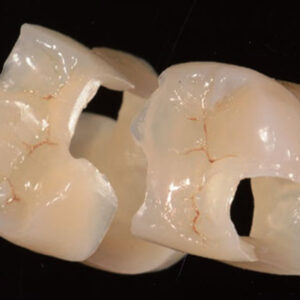
Zirconia Overlay RestorationsBestoDental zirconia overlay restorations are designed for extensive tooth coverage cases requiring maximum strength and protection. The full-contour zirconia structure provides the highest level of fracture resistance when subjected to heavy occlusal forces. These restorations offer a predictable solution for severely compromised posterior teeth that are stable on a long-term basis.
|
Zirconia Inlays & Onlays
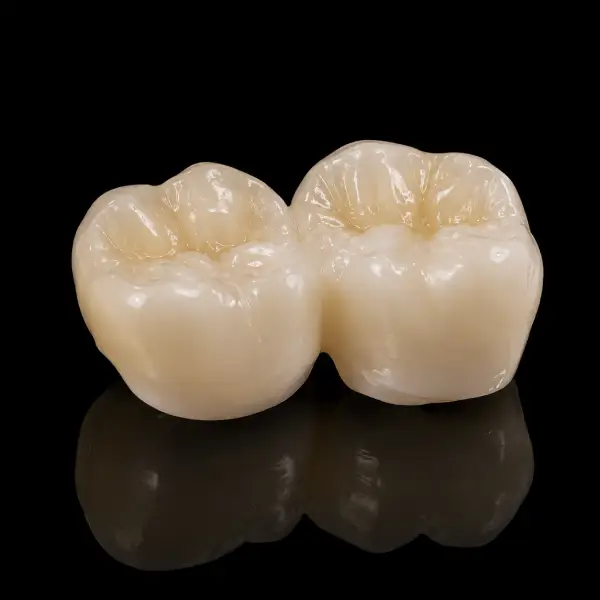
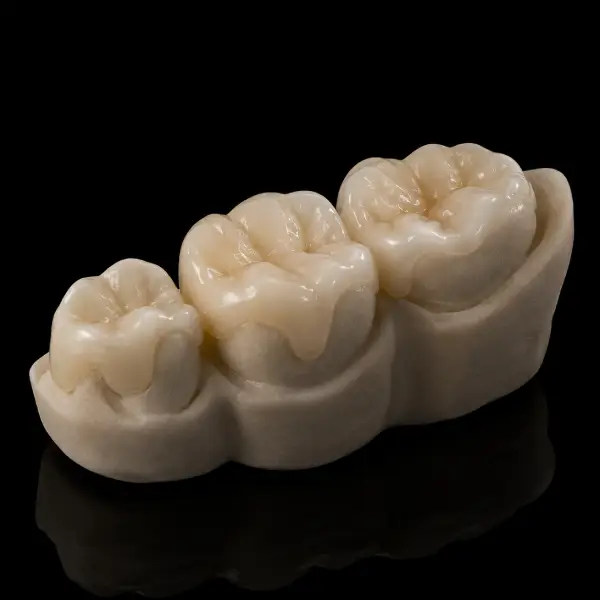
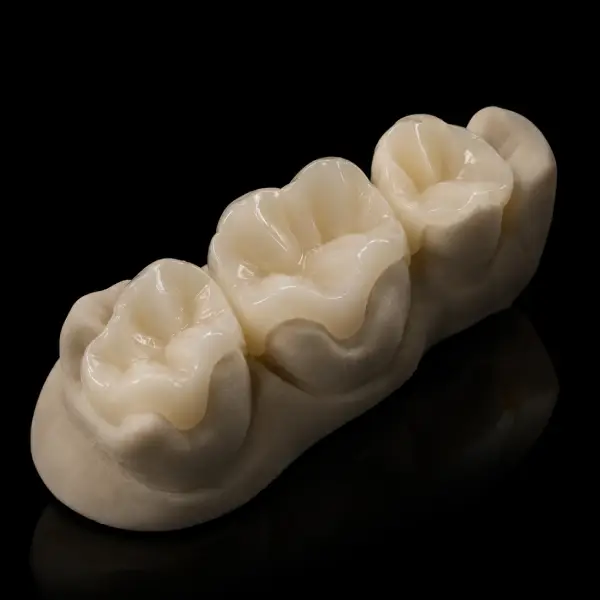
Zirconia Inlays & Onlays
BestoDental provides high-quality zirconia inlays & onlays designed to restore damaged or decayed posterior teeth while preserving as much natural tooth structure as possible.
- High-strength zirconia material provides excellent resistance to chewing forces in posterior regions.
- Minimally invasive design allows conservative tooth preparation compared to full crowns.
- Precise digital fabrication ensures accurate fit and reliable marginal sealing.
- Natural shade options help achieve a discreet and well-integrated restoration outcome.
Clinical & Technical Information
When the tooth structure is still somewhat compromised, but the need for full crown coverage hasn’t yet arrived, zirconia inlays and onlays are an indirect type of restoration that can be used in these circumstances. They are intended to replace the posterior tooth when moderate structural loss has occurred and as much natural tooth enamel is left as possible.
The advantage of Zirconia inlays and onlays over direct composite is that they exhibit enhanced strength, wear resistance, and occlusal stability over time. Each BestoDental restoration is precisely milled by BestoDental’s digital workflow to guarantee accurate marginal fit, stable occlusion and predictable clinical performance.
1. Indications
Our zirconia inlays and onlays are suitable for:
- Moderate to large posterior carious lesions requiring indirect restoration
- Class I and Class II cavity restorations with weakened cusps
- Teeth requiring cusp coverage without full crown preparation
- Replacement of large failing composite restorations
- Posterior teeth with high occlusal load requiring enhanced strength
- Endodontically treated teeth requiring partial coverage restoration
- Cases where minimally invasive preparation is preferred over full crowns
- Patients requiring metal-free and durable posterior restorations
- Restorations needing improved wear resistance compared with composite materials
2. Technical Specifications
| Technical Parameter | Specification |
| Material Type | High-strength monolithic zirconia / multilayer zirconia (depending on system) |
| Restoration Type | Indirect inlay, onlay, overlay restorations |
| Product Variants | Zirconia inlays / zirconia onlays / zirconia overlay restorations |
| Flexural Strength | Approx. 600–1200 MPa depending on zirconia type |
| Marginal Adaptation | High-precision CAD/CAM digital milling accuracy |
| Minimum Thickness | Approx. 0.8–1.5 mm depending on occlusal load and design |
| Cuspal Coverage | Partial or full cusp coverage depending on cavity extension |
| Wear Resistance | High resistance to occlusal wear and long-term degradation |
| Surface Finish | Polished, stained, or glazed zirconia surface |
| Shade System | VITA classical and multilayer shade compatible |
| CAD/CAM Compatibility | STL, 3Shape, exocad compatible workflows |
| Bonding Protocol | Resin cement adhesive bonding with recommended surface treatment protocols |
| Tooth Preservation | Minimally invasive preparation design with high enamel preservation |
| Metal Content | 100% metal-free |
| Case in Lab Time | Typically 2–3 working days depending on design complexity |
3. Aesthetics
Our Aesthetics of zirconia inlays and onlays:
1) Natural posterior integration
Zirconia inlays and onlays are designed to blend with surrounding tooth structure while maintaining a natural occlusal morphology.
2) Conservative esthetic outcome
By preserving more natural enamel, these restorations help maintain the original tooth appearance while restoring function.
3) Stable long-term color performance
Zirconia material provides stable shade behavior with minimal discoloration over time under oral conditions.
4) Functional esthetics for posterior teeth
These restorations balance strength and appearance, making them suitable for posterior regions where durability is a priority.
Order FAQs
1. A zirconia inlays and onlays case requires the following information:
You should begin by stating the patient’s full name and making sure that you are very clear about the tooth number(s) involved. In the case of Zirconia Inlays & Onlays: Also provide the cavity classification (class I, II or MOD) and the preparation design details along with the necessity of cusp coverage.
For accurate STL/PLY scan data, antagonist arch scans, and bite registration records are crucial for achieving accurate fit and occlusion. The shade selection should also be indicated to blend esthetically best.
2. Accept digital impressions and what systems do you support?
Yes. Full support for digital impressions. We import STL files from the majority of the intraoral scanners. All of the 3Shape, exocad, and Medit systems are compatible. It can be easily managed in our CAD/CAM system for zirconia inlays & onlays as long as they are in a standard open format.
3. What is the average time for zirconia inlays & onlays to be manufactured?
The turnaround time is normally quick, as these cases are single-unit or small restoration cases. The production time for most zirconia inlays & onlays is between 2 days and 3 days maximum, after design approval. However, it may take a bit longer for cases that involve more than one unit, deep cavities, or onlays to replace cusps.
4. When to use zirconia for inlays & onlays?
The indications for zirconia inlays & Onlays are usually for those situations where strength and durability are paramount, particularly in the back of the mouth with heavy occlusal load. They are appropriate for bruxism and/or for large defect restorations where the composite restoration would not be stable enough in the long run.
5. How does one get a correct fit and good marginal adaptation?
Digital scans are taken using high-resolution imaging for each restoration and adjusted based on preparation margins specified by the clinician. Contact points and internal fit is set digitally for proper seating. Marginal integrity and occlusal adjustments are given special consideration to minimise chairside changes after delivery.
6. What information needs to be provided for occlusal for better accuracy?
The ability to make accurate bite registration and opposing arch scans is essential. Any other information regarding the occlusal scheme (group function, canine guidance, etc.) and parafunctional habits (bruxism, etc.) will help to optimise contact design and minimise the risk of high occlusion or premature contact after cementation.