|
|
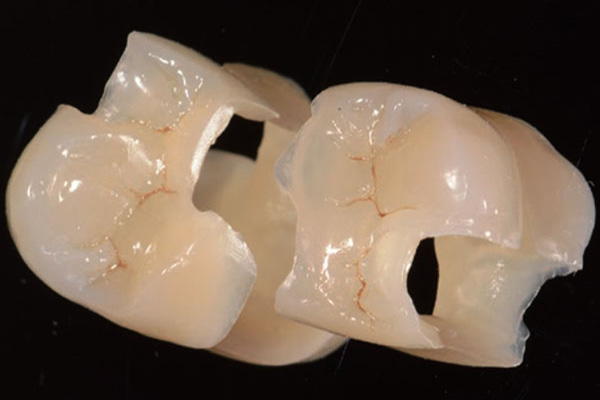
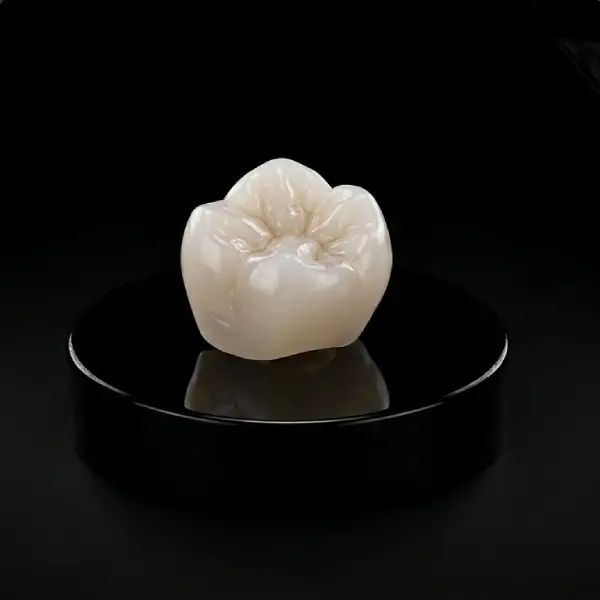
Standard E.max InlayBestoDental Standard E.max Inlay Everyday back tooth repairs get solid support from BestoDental’s standard E.max inlays. These fit well in molars and pre-molars without standing out. Strength meets subtle beauty in common dental fixes. Made from lithium disilicate, they hold up reliably over time. Light moves through them much like real enamel does.
|
|
|
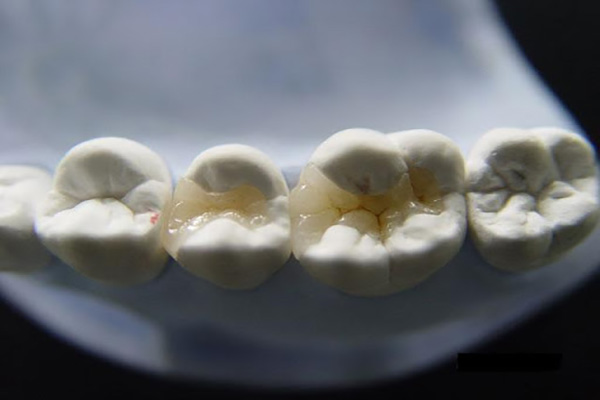
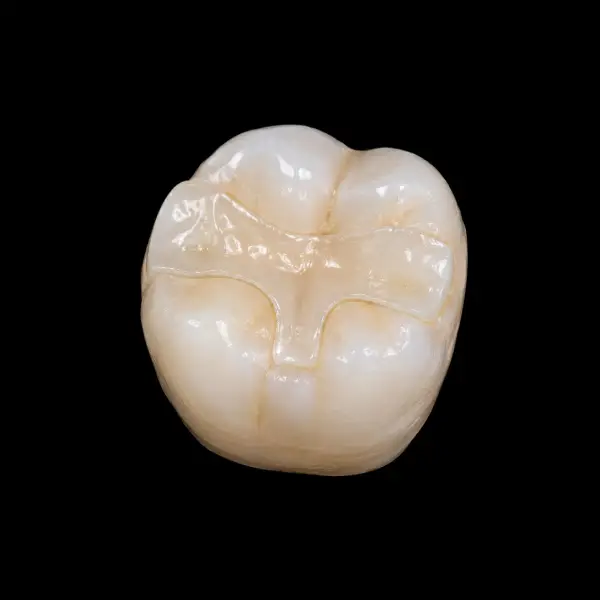
High-Translucency E.max InlayOur High-Translucency E.max Inlay Light flows through these e.max inlays just like real enamel, making them ideal for front teeth. Because they mimic natural tooth optics so closely, results blend seamlessly when smiles are on display.
|
|
|
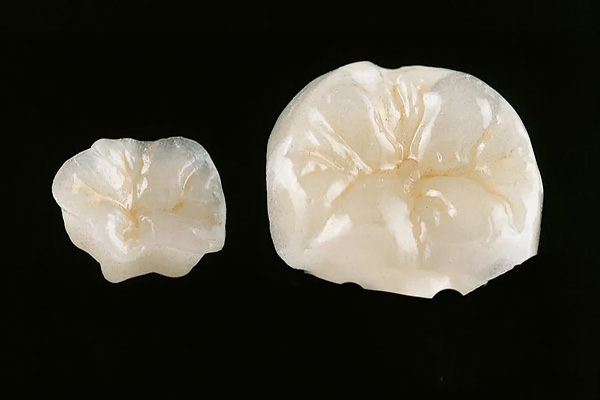
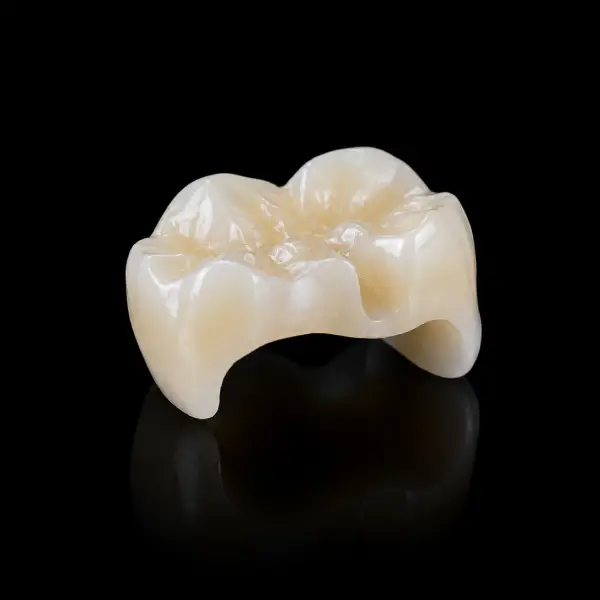
Low-Translucency E.max InlayOur Low-Translucency E.max Inlay Dark spots beneath teeth? These BestoDental inlays handle them well. Built from strong lithium disilicate, they stay tough under pressure. Instead of blending in perfectly, these choose to block out discoloration first. Opacity here isn’t a flaw – it’s part of the job. For restorations where hiding color matters more than perfect mimicry, they hold their ground. Strength stays high even when transparency takes a step back.
|
|
|
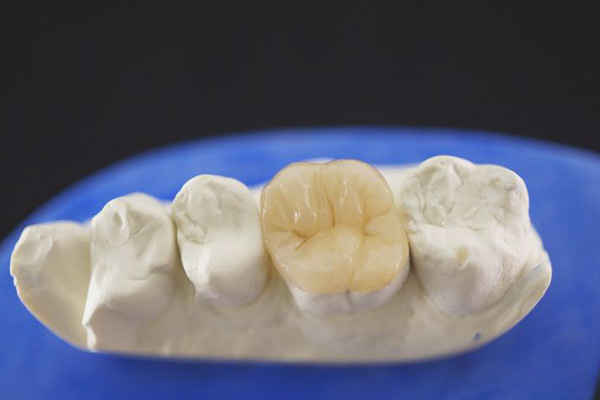
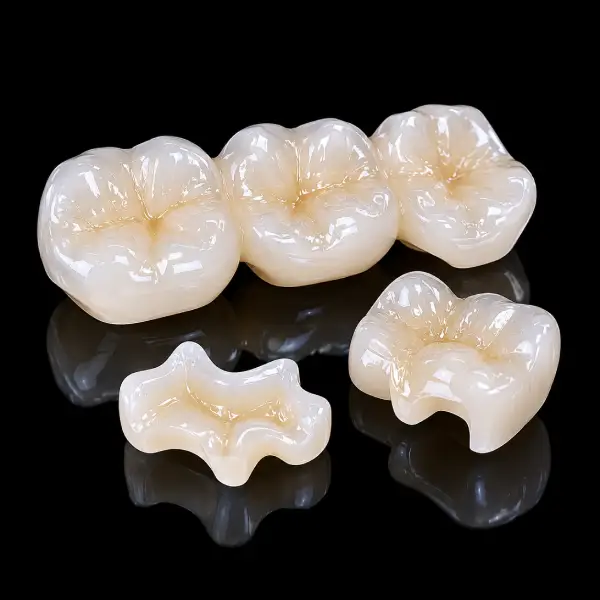
CAD/CAM E.max InlayOur CAD/CAM E.max Inlay Starting with a digital blueprint, each E.max Inlay takes shape through precision milling. Built for exact fit, these restorations deliver reliable results every time. Instead of guesswork, the process relies on accurate scans and smart machining. Seating becomes smoother because margins match reality – no adjustments needed. What emerges is consistency you can count on, straight from production.
|
E.max Inlay
E.max Inlay
At Bestodental, all of our E.max inlays are meticulously crafted by our experienced team of skilled dental technologists to ensure precision, aesthetics, and long-term performance.
- Strong and durable, resistant to fracture and daily wear.
- Natural and esthetic appearance, fitting in perfectly with surrounding teeth.
- Metal-free design eliminates the risk of allergic reactions and offers excellent biocompatibility.
- An ideal esthetic alternative to bulkay conventional amalgam fillings, with optimal clinical results.
Clinical & Technical Information
A strong ceramic made of lithium disilicat, Composite E.max Inlay fits precisely into back teeth where looks matter just as much as durability. Because it resists breaking so well yet still mimics real tooth light effects, dentists choose it when saving healthy structure is key. Restorations built this way hold up reliably over time, especially in areas that chew and show during smiles. Milled using digital methods, each piece matches the exact shape needed without extra adjustments. Its blend of toughness and lifelike appearance works best when both function and clarity cannot be compromised.
1. Indications
Our E.max Inlays are Suitable For:
- Moderate to large Class I and Class II posterior cavities (MO/DO/MOD)
- Replacement of failed composite or amalgam restorations
- Posterior teeth requiring high esthetic restoration with natural translucency
- Cases with cuspal weakening requiring onlay or partial cusp coverage
- Minimally invasive alternative to full crown restorations
- Teeth with secondary caries after endodontic or restorative treatment (selected cases)
- Patients requiring strong but esthetic ceramic posterior restorations
2. Technical Specifications
| Technical Parameter | Specification |
| Material Type | Lithium Disilicate Glass-Ceramic (E.max) |
| Restoration Type | Indirect Ceramic Inlay / Onlay |
| Available Options | Standard / High-Translucency / Low-Translucency / CAD/CAM E.max |
| Flexural Strength | Approx. 360–500 MPa (material and processing dependent) |
| Fracture Resistance | High; suitable for posterior occlusal load-bearing restorations when properly bonded |
| Veneer/Inlay Thickness | Approx. 1.0–2.0 mm depending on occlusal design and cusp coverage requirements |
| Translucency Options | High Translucency (esthetic zones) / Low Translucency (high strength cases) / Standard |
| Shade System | VITA Classical shade system compatible |
| Esthetic Properties | High natural enamel-like translucency with excellent light transmission |
| Wear Resistance | Excellent after proper glazing and polishing |
| Marginal Fit Accuracy | High precision via CAD/CAM digital design and milling |
| Manufacturing Technology | Heat-pressed ceramic or CAD/CAM milling technology (depending on option) |
| Digital Compatibility | STL, 3Shape, exocad compatible workflows |
| Cementation Protocol | Adhesive resin cement bonding with hydrofluoric acid etching + silanization |
| Case Turnaround Time | 3–5 working days depending on case complexity and design requirements |
3. Aesthetics
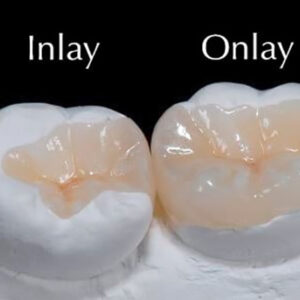
This is how the E.max Inlay looks. Appearance details follow.
1) Natural Enamel-Like Translucency
Light passes through E.max in a way that feels alive, almost like real tooth structure does when hit by sunlight or indoor lamps. Depth shows up naturally, not flat or artificial looking, thanks to how the layers interact with brightness around it. Under office lights, it blends; under warm bulbs at home, still matches – no sudden shifts or odd reflections getting in the way.
2) Balanced Strength and Beauty
What stands out about lithium disilicate is its blend of durability and natural appearance. For back teeth that need strength but also show when smiling, it fits well. Because it handles chewing forces without sacrificing looks, dentists often choose it. Its balance of performance and visual match keeps it popular in real-world use.
3) Shade Flexibility
Some cases call for looks, others for strength – translucency options give dentists room to pick what fits best. Not every situation leans the same way; flexibility helps match material behavior to real-world demands.
4) Precise Digital Morphology
From the first curve to the last ridge, digital modeling shapes each bite with precision. Instead of guesswork, every surface aligns through calculated fit. Not just close – exact. Each piece holds its place because neighboring units guide it into position. Rather than forcing harmony, the system builds it naturally across all teeth. Stability comes not from pressure but from design that follows function.
Order FAQs
1. What information is required to submit an E.max Inlay case?
Give the patient’s first and last name along with which tooth numbers need work. One thing more – include whether it’s a Class I or II cavity setup. Send over the STL scan data plus the record of how teeth meet when biting down. Shade details matter too, so add those without skipping. If certain needs exist – like covering cusps or adjusting bite patterns – note them clearly. Photos from the clinic help, especially when back teeth have tricky situations. Another point: images improve accuracy on tough cases behind the mouth.
2. What color ranges can we work with?
Most of our work follows VITA Classical tones right out of the box. When a patient needs something more precise, we adjust using photos taken inside the mouth or physical samples sent by the dental office. Precision steps up when looks matter most.
3. Got a digital scan you want to send? We can work with that file if it meets our requirements.
Got it. STL files work here – along with digital scans from top CAD/CAM platforms. Think 3Shape, sure, but also exocad fits right in. Open STL setups? They’re part of the mix too.
4. How long does it usually take?
Three to five workdays usually pass before most E.max Inlay jobs finish, once the design gets the green light. Complexity can stretch that timeline a bit. When cusps need covering, things slow down some. More than one unit? That adds time too.
5. What type of cases are not recommended for E.max Inlays?
When patients present with severe bruxism, E.max may not be ideal without additional protective measures such as a night guard. High occlusal force situations often require stronger restorative options instead. In these cases, alternative materials with higher load resistance may be considered.
6. Which pictures work best when fixing back teeth for looks and function?
Start with clear intraoral photographs with sufficient retraction to show detail. An occlusal view is important to capture how upper and lower teeth meet. Include images of the opposing arch when possible. For multi-surface restorations or cases involving cusp reconstruction, these visuals significantly improve design accuracy. Jaw relation photos help ensure proper functional integration.