|
|
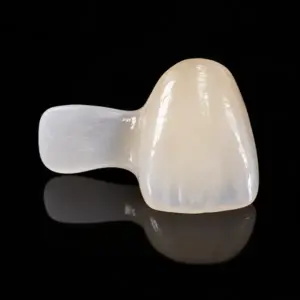
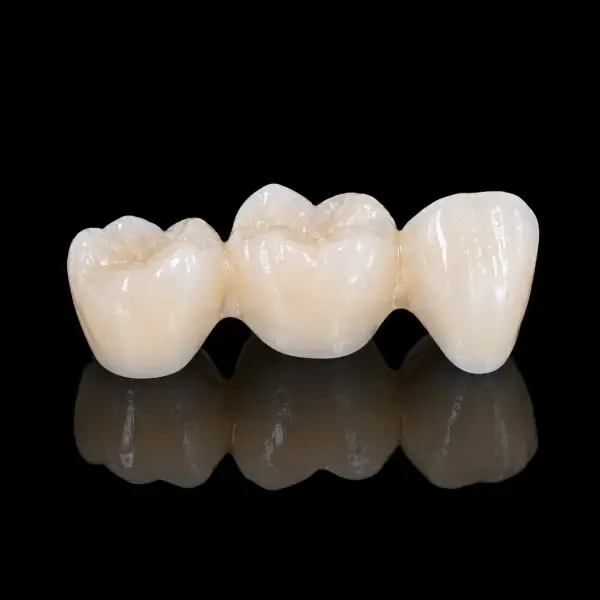
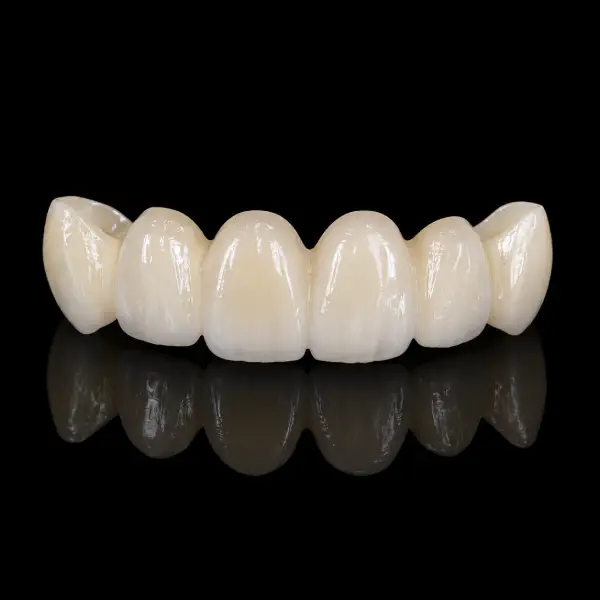
Full Contour Zirconia BridgesBestoDental’s full contour zirconia bridges are built entirely of solid zirconia; they handle strong biting pressure without cracking easily. Because there’s no layered design, weak spots that could break down over time simply aren’t an issue, yet they still look like real back teeth. When tough daily chewing demands come into play, these restorations hold steady thanks to their dependable build.
|
|
|
Layered Zirconia BridgesOur layered zirconia bridges start with a sturdy zirconia base and add porcelain on top to boost visual appeal. Built tough at the core, they still manage soft light effects through the outer ceramic. Function holds up even where biting forces are split between front and back areas.
|
|
|
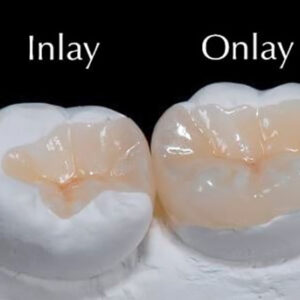
Multilayer Zirconia BridgesBestoDental’s multilayer zirconia bridges use a graded zirconia makeup to spread strength more evenly while looking like real teeth. Instead of stacking layers, the shift in shade from gumline to tip copies how actual teeth change color across their surface. They fit well at the back of the mouth just as much as up front.
|
|
|
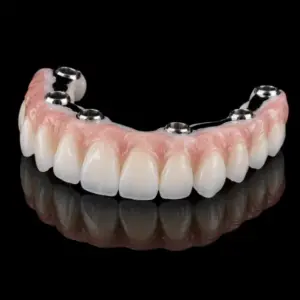
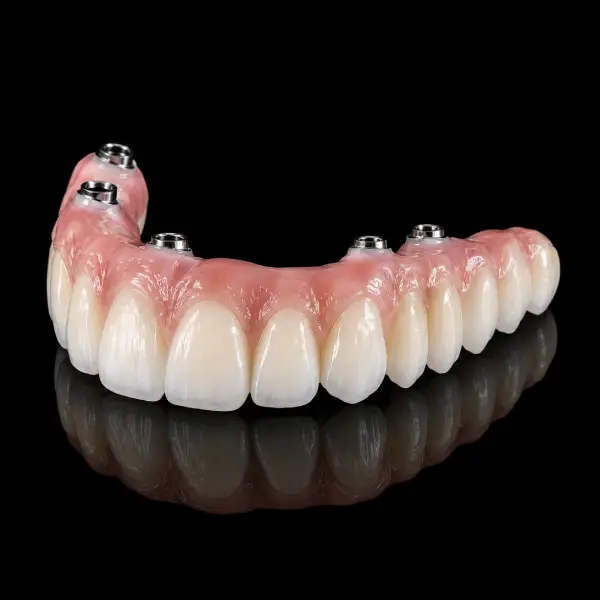
Implant-Supported Zirconia BridgesBestoDental implant-supported zirconia bridges are built on implants to bring back several lost teeth without skipping a beat over time. Thanks to tough zirconia, they hold up well when chewing yet stay locked perfectly onto the implants. With digital crafting, each piece lines up exactly where the implants sit and how the bite comes together.
|
|
|
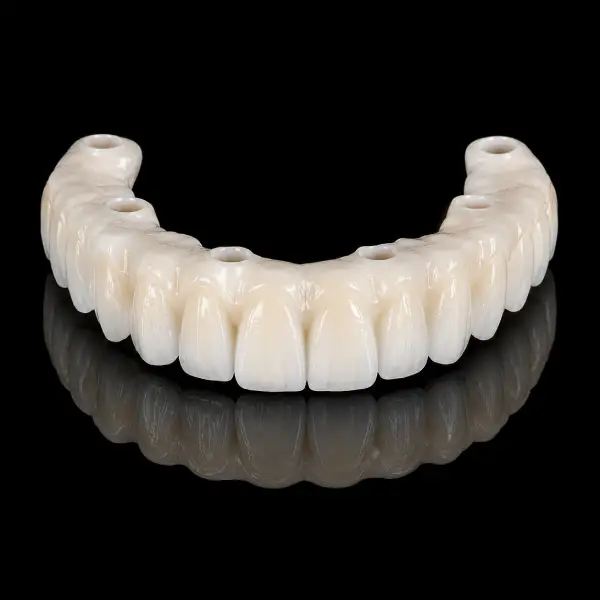
Full Arch Zirconia BridgesBestoDental’s full arch zirconia bridges handle complete mouth restoration needs. Built entirely from solid zirconia, each bridge resists wear while staying dependable over years. Thanks to digital design methods, every piece matches the jaw exactly, aligning teeth just right. Though made for complex cases, they perform especially well when anchored on implants using All-on-X setups.
|
Zirconia Dental Bridges
Zirconia Dental Bridges
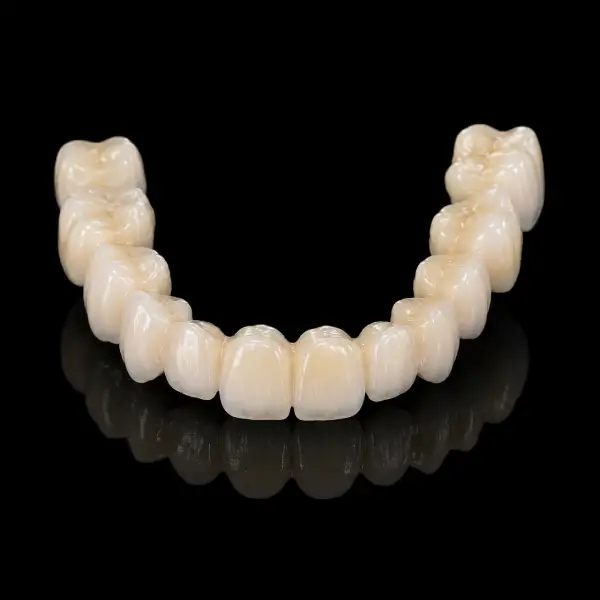
BestoDental provides high-quality zirconia dental bridges designed to restore multiple missing teeth with strong structural integrity, precise fit, and long-term functional stability.
- High-strength zirconia material ensures excellent durability for multi-unit span restorations.
- Precise digital design and milling improve marginal accuracy and interproximal contact fit.
- Monolithic construction reduces the risk of fracture and chipping compared to layered alternatives.
- Natural shade matching allows seamless integration with adjacent dentition for a uniform smile.
Clinical & Technical Information
Zirconia dental bridges often come into play when several teeth are gone and a solid fix is needed – one that holds up well over time while supporting daily function. Unlike solutions you can take out, these bridges handle biting forces more reliably, feel less awkward in the mouth, plus let people chew with greater ease.
Depending on the clinical design, they can be used in posterior load-bearing regions or anterior esthetic zones. Through BestoDental’s digital workflow, bridge frameworks are precisely designed to ensure optimal connector strength, passive fit, and long-term biomechanical performance.
1. Indications
Our zirconia dental bridges are suitable for:
- Replacement of two or more missing teeth with fixed prosthetic restorations
- Posterior multi-unit bridges requiring high occlusal strength
- Anterior bridges requiring esthetic integration and natural emergence profile
- Implant-supported bridge restorations in partial edentulous cases
- Full arch implant-supported rehabilitations requiring monolithic strength
- Cases with high masticatory load requiring durable ceramic solutions
- Replacement of failed conventional bridges or PFM restorations
- Patients requiring metal-free fixed prosthetic solutions
- Full mouth rehabilitation cases involving multiple missing segments
2. Technical Specifications
| Technical Parameter | Specification |
| Material Type | Monolithic or veneered zirconia (depending on bridge type) |
| Restoration Type | Fixed dental bridges (tooth-supported / implant-supported / full arch) |
| Product Variants | Full contour zirconia bridges / layered zirconia bridges / multilayer zirconia bridges / implant-supported zirconia bridges / full arch zirconia bridges |
| Flexural Strength | Approx. 600–1200 MPa depending on zirconia type and layering structure |
| Connector Strength | Optimized CAD/CAM-designed connector dimensions for long-span stability |
| Span Capability | Short-span to full-arch restorations (case dependent) |
| Minimum Connector Size | Approx. 9–16 mm² depending on location and material type |
| Occlusal Clearance Requirement | Approx. 0.8–1.5 mm depending on zirconia system |
| Marginal Adaptation | High-precision CAD/CAM digital design and milling |
| Surface Finish | Polished, stained, glazed, or layered porcelain options |
| Shade System | VITA classical and VITA 3D-Master compatible |
| Esthetic Options | Full contour / multilayer / layered porcelain esthetics depending on case requirement |
| CAD/CAM Compatibility | STL, 3Shape, exocad compatible workflows |
| Implant Compatibility | Compatible with major implant systems and custom abutment workflows |
| Metal Content | 100% metal-free |
| Case in Lab Time | Typically 3–5 working days depending on complexity and layering |
3. Aesthetics
Aesthetics of our zirconia dental bridges
1) Natural integration with adjacent teeth
Zirconia bridges are able to closely match dentition in both anterior and posterior areas, creating a smooth transition.
2) Flexible esthetic options
Depending on the case, full contour, multilayer, or layered porcelain techniques can be applied to balance strength and visual appearance.
3) Stable long-term color performance
Quality zirconia materials possess long-term shade stability, minimal discoloration and surface degradation under oral conditions.
4) Functional esthetics for complex restorations
Zirconia bridges combine structural durability with esthetic adaptability, making them suitable for both functional posterior loads and esthetic anterior requirements.
Order FAQs
1. What information is required to submit a zirconia dental bridge case?
Begin with the patient’s complete name, then list every tooth or implant site involved – note abutments and spaces for false teeth too. When it comes to Zirconia Dental Bridges, include unit count, how far the bridge stretches, what kind of margins are needed, plus if it rests on natural teeth or implants.
To get the fit right, send STL files, along with the opposing jaw scan and bite record. Mention shade choice separately, adding any looks that matter visually.
2. What design limitations should be considered for zirconia dental bridges?
For Zirconia Dental Bridges, connector size, span length, and occlusal load distribution must be carefully evaluated. Long-span bridges may require reinforced connector dimensions to ensure structural durability. Adequate occlusal clearance is also necessary to achieve proper milling and sintering without compromising strength.
3. How do you ensure occlusal accuracy and fit for bridges?
One bridge at a time, digital models are formed using bite details alongside upper or lower jaw scans. Instead of just connecting parts, designers shape how each tooth meets its neighbor through precise virtual tweaks. When implants hold the bridge, getting everything perfectly aligned matters most, so technicians fine-tune the base structure after reviewing scanbody positions.
4. How to provide the shade accurately?
Start by picking shades with the VITA guide while snapping mouth pictures in daylight for best looks. When front teeth are part of the bridge, toss in extra notes – like how see-through they should appear, color near the gum line, plus traits of nearby teeth – to help them fade into the rest of the smile.