|
|
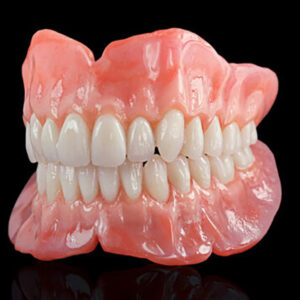
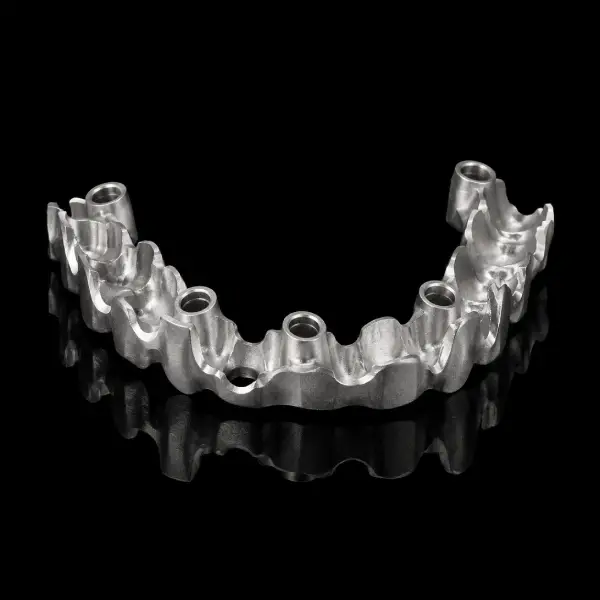
Milled Titanium FrameworkBestoDental Milled Titanium Framework Starting strong with digital design, BestoDental crafts titanium frameworks through precise milling. Built tough, these structures hold their shape under pressure. Accuracy comes first – each piece matches the implant site perfectly. Over time, they resist wear without losing function. Solid performance shows up in everyday use. Stability remains consistent, even in demanding conditions.
|
|
|
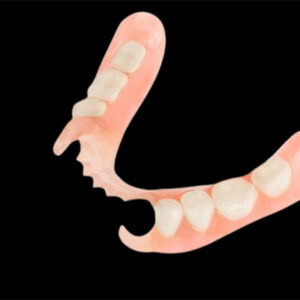
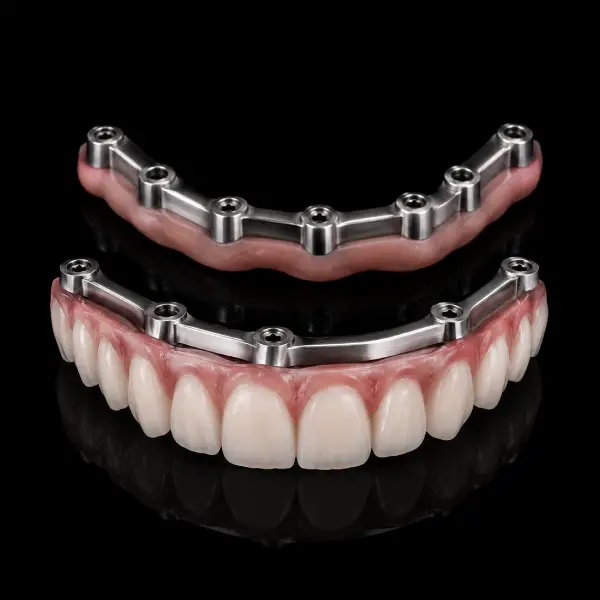
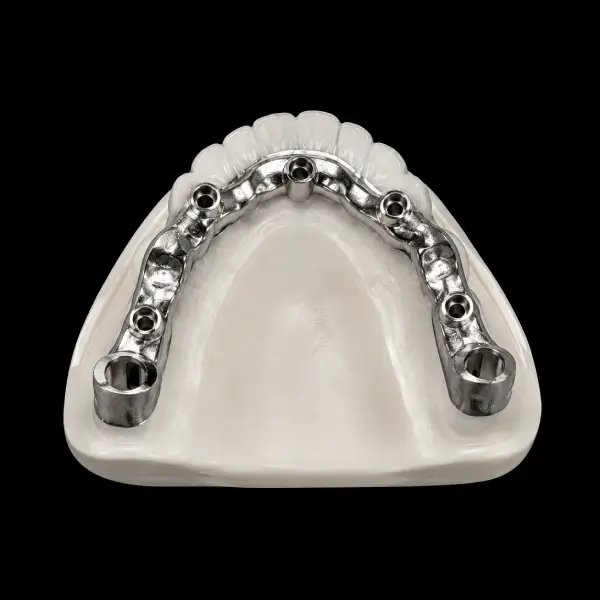
Titanium Bar FrameworkBestoDental Titanium Bar Framework Strong titanium bars form a solid base for dentures held by implants, built to handle pressure evenly over time. These frames stay stable under daily stress, lasting years without weakening. Support comes from precise metal shaping, matched exactly to each patient’s mouth structure. Durability shows up clearly during regular use, resisting shifts that weaken lesser designs. Even force spread keeps everything aligned right where it should be.
|
|
|
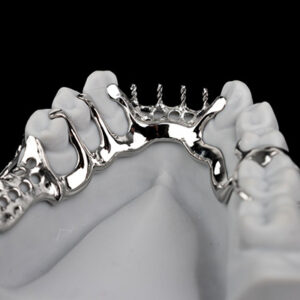
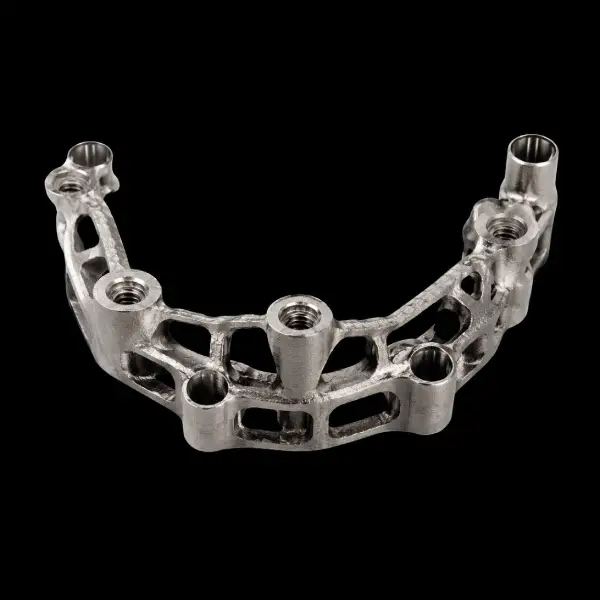
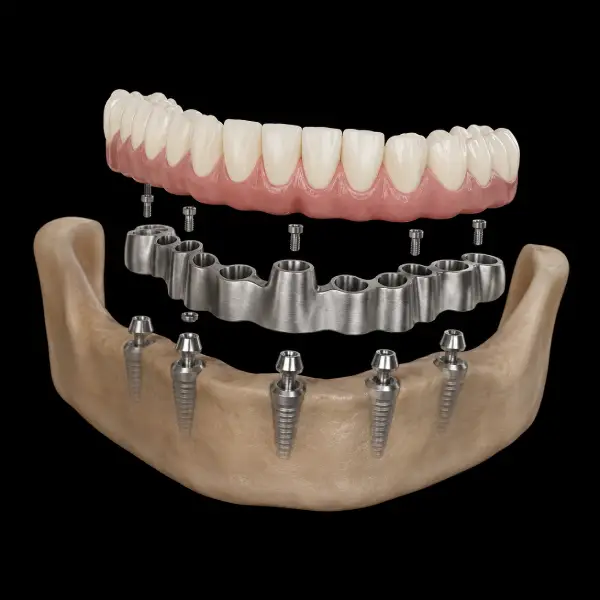
Full Arch Titanium FrameworkBestoDental Full Arch Titanium Framework Starting strong, BestoDental’s Full Arch Titanium Frameworks support full-arch implant work by balancing low weight with solid durability. Performance stays steady over time because the design focuses on stability without adding bulk. Structure matters here – thin does not mean weak. Instead, resilience comes through smart engineering that holds up under real demands. Longevity shows up quietly, built into each frame.
|
|
|
Hybrid Denture Titanium FrameworkBestoDental Hybrid Denture with Titanium Frame Starting strong, these denture frameworks blend titanium’s strength into a solid base that holds up over time. Built tough, they anchor hybrid prostheses firmly while working well with acrylic, composite, or ceramic layers. Performance stays reliable, year after year, without wavering. Stability meets endurance where it matters most – under constant use.
|
|
|
Titanium Implant FrameworkBestoDental Titanium Implant Framework A solid base for full-mouth implants – this titanium framework holds everything firmly in place. Built to last, it lines up perfectly without strain during placement. Strength stays consistent even when chewing forces come into play. Stability over time? That part works exactly as needed.
|
Titanium Framework
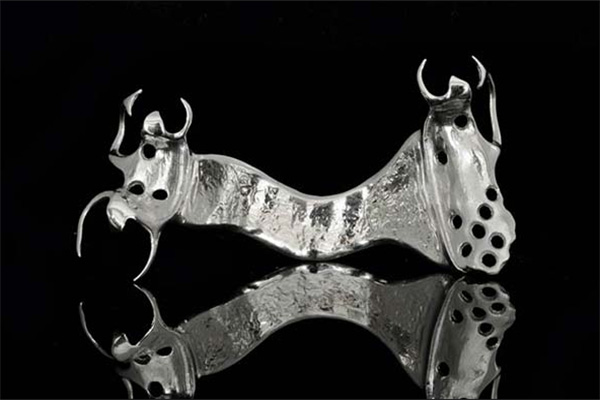
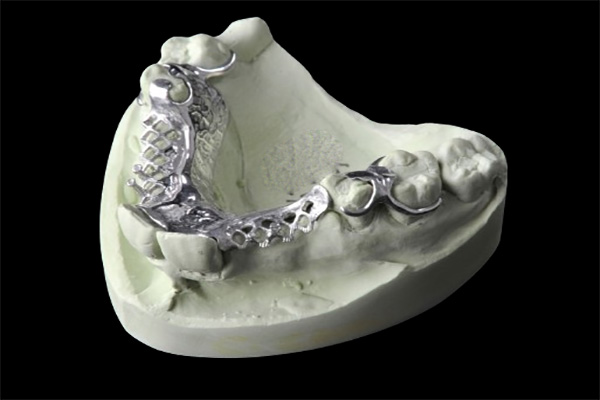
Titanium Framework
The structure of Bestodental titanium is composed of medical-grade high-purity titanium, thus a stable restorative solution for metal-allergic or metal-sensitive individuals.
- Higher biocompatibility — supports hypoallergenic treatment planning and offers intraoral long-term safety for hypersensitive patients.
- Superior durability — offers exceptional resistance to corrosion and fracture, ensuring stability in high-function restorations.
- Removable design facilitates easy daily cleaning and maintenance with ease.
- Up to 50% lighter than chrome-cobalt frameworks, with outstanding wear comfort.
Clinical & Technical Information
Strong titanium bars form a solid base for dentures held by implants, built to handle pressure evenly over time. These frames stay stable under daily stress, lasting years without weakening. Support comes from precise metal shaping, matched exactly to each patient’s mouth structure. Durability shows up clearly during regular use, resisting shifts that weaken lesser designs. Even force spread keeps everything aligned right where it should be.
1. Indications
Our Titanium Framework systems are Suitable For:
- Full-arch implant-supported fixed prostheses (All-on-4 / All-on-6 cases)
- Implant-supported hybrid dentures requiring rigid metal reinforcement
- Multi-unit implant bridge restorations requiring high structural stability
- Severely edentulous patients requiring full-arch rehabilitation
- Cases requiring high occlusal load distribution and fracture resistance
- Prostheses with acrylic, composite, or zirconia superstructure layering
- Long-span implant restorations requiring passive fit accuracy
2. Technical Specifications
| Technical Parameter | Specification |
| Material Type | Medical-grade titanium (Grade 4 or Grade 5 Ti-6Al-4V alloy) |
| Restoration Type | Implant-supported titanium framework / bar / substructure |
| Product Variants | Milled Titanium Framework / Titanium Bar Framework / Full Arch Titanium Framework / Hybrid Denture Titanium Framework / Titanium Implant Framework |
| Manufacturing Method | High-precision CAD/CAM milling from titanium blocks or bars |
| Indicated Prosthesis Type | Fixed full-arch bridges, hybrid dentures, and implant-supported superstructures |
| Implant Compatibility | Compatible with major implant systems (Straumann, Nobel Biocare, Zimmer Biomet, Osstem, etc.) |
| Fit Accuracy | High-precision passive fit designed for multi-implant synchronization |
| Structural Design | Bar-supported or full-arch reinforced framework design depending on clinical requirements |
| Load Distribution | Optimized biomechanical stress distribution across multiple implants |
| Connection Type | Screw-retained implant interface |
| Surface Finish | Polished or micro-milled titanium surface for improved fit, hygiene, and tissue compatibility |
| Framework Thickness | Customized according to prosthetic space and occlusal load requirements |
| Passive Fit Verification | Digital CAD verification and model-based testing for multi-implant accuracy |
| Superstructure Compatibility | Acrylic, composite resin, or zirconia overlay restorations |
| Digital Workflow Compatibility | Compatible with STL files, exocad, 3Shape, and photogrammetry workflows |
| Impression Type | Digital scan, open-tray impression, or photogrammetry supported |
| Corrosion Resistance | High corrosion resistance for long-term intraoral use |
| Biocompatibility | Excellent tissue compatibility with low allergic response risk |
| Repairability | High adaptability for prosthetic modification and superstructure adjustments |
| Case Turnaround Time | 5–10 working days depending on design complexity and arch length |
3. Aesthetics
Here are the aesthetics for our Titanium Framework systems:
1) Concealed Structural Reinforcement
Titanium frameworks provide hidden internal support, enabling stable prosthetic function without affecting visible esthetics.
2) Full-Arch Esthetic Foundation
When combined with acrylic, composite, or zirconia superstructures, the framework enables natural-looking full-arch restorations.
3) Precision Prosthetic Alignment
High passive fit improves occlusal harmony, prosthetic symmetry, and long-term esthetic consistency.
4) Long-Term Esthetic Stability
Rigid titanium structure minimizes deformation under load, helping maintain consistent esthetic outcomes over time.
Order FAQs
1. What information is required to submit a Titanium Framework case?
Start by sharing the patient’s name along with details about the implant system used. Include STL scan files or scans of the master model when possible. Implant locations should be clearly indicated. Add bite registration records to support accuracy. Opposing arch data helps too, if it exists. Specify whether the restoration is a bar, hybrid, or full-arch frame. Finish with any special notes on how the design should look.
2. Got digital scans?
Yep. Digital setups? They work fine here. Most big scanning tools send us files without trouble – think 3Shape, Medit, iTero. Even exocad fits right in. Open STL types also land smoothly on our end.
3. What kinds of implants work with it?
Most big implant brands fit right in – Nobel Biocare, Straumann sit well here, while Dentsply Sirona works smoothly too. Zimmer Biomet joins that group, Osstem slips in without trouble. Hiossen fits just fine, MegaGen operates cleanly alongside them. Other common platforms? They belong here as much as any.
4. Restoration kinds suited to Titanium Frameworks – what fits?
Different fixes work here. Some jobs fit better than others. Certain uses match well. A few choices stand out clearly. Each case depends on specifics seen firsthand.
Bars made of titanium often support overdentures. Some full-arch dental setups rely on implants tied together by a metal base. Fixed hybrids sometimes use this strong lightweight structure underneath. Implant-retained bridges also connect using these durable frameworks.
5. How do you ensure accuracy and fit of the framework?
Starting from scan details and implant spots, every framework takes shape in CAD programs before moving into careful milling for solid structure and precise placement. Finished forms come from digital designs built around exact measurements instead of guesswork during production.
6. Using titanium frameworks for full arch implants?
True. When it comes to All-on-4 setups, people often pick titanium frameworks because they hold up well under pressure. These structures also work reliably for All-on-6 cases, mainly thanks to how steady they feel once placed. Full-arch implant solutions benefit too – weight matters, and titanium keeps things light without sacrificing toughness.
7. For tricky implant situations, which documents make sense to keep?
Start by sharing the specifics of the implant setup. Then include data on scan bodies or verification jigs. The opposite arch should be scanned too. A record of how teeth meet when biting helps precision. Clear directions about the restoration’s shape and fit wrap it up.
8. What are the advantages of titanium frameworks?
Starting strong, titanium stands out due to its durability and light build. Its ability to resist rust plays a big role in medical uses. Body-friendly by nature, it rarely causes reactions when placed inside. Because of how well it holds up over time, dentists often choose it for implants meant to last. Few materials match its mix of traits for such tasks.
9. Do Titanium Frameworks Work With Different Restorative Materials?
True. When it comes to the final look and patient needs, titanium bases work with acrylic, PMMA, zirconia, or even composite tops. The choice shifts based on what the situation demands.