|
|
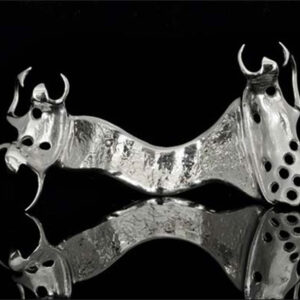
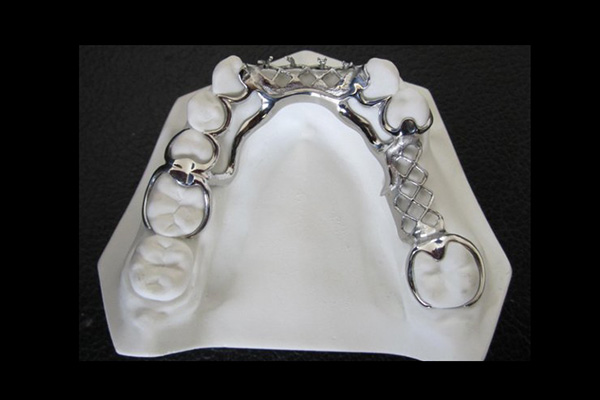
Cast Cobalt-Chrome RPD FrameworkBestoDental Cast Cobalt Chrome Partial Denture Frame Heavy-duty cobalt-chrome frames made by BestoDental handle daily stress well. Built tough, they keep their shape even when chewing forces act on them. These cast frameworks support partial dentures without bending easily. Over time, they hold up reliably where flexibility would cause problems. Strength stays consistent through regular wear and pressure.
|
|
|
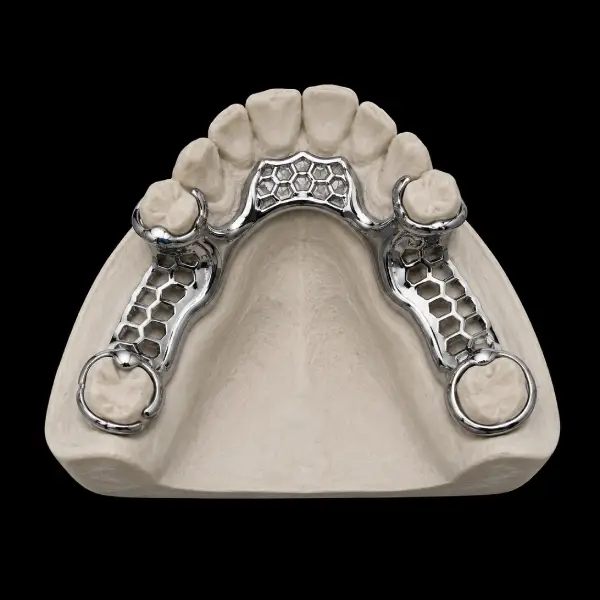
Cobalt-Chrome Partial Denture FrameworkBestoDental Cobalt Chrome Partial Denture Frame Stability comes through the strong structure of our cobalt-chrome partial denture frameworks. Built to match contours precisely, they hold up well during daily use. Movement stays minimal because the fit adapts closely to individual needs. Function follows form here – each piece works without shifting too much. Rigidity makes a difference when chewing or speaking. These frameworks handle stress thanks to their metal blend. Fit quality shows right away once placed.
|
|
|
Cobalt-Chrome Framework with ClaspsBestoDental Cobalt Chrome Framework With Clasps Starting strong, these frameworks blend cobalt-chrome with clasps built to grip better and hold steady. A different shape emerges depending on how the supporting tooth sits and what kind of chewing forces show up later. Custom bends follow the curve of each anchor tooth, matching real-world demands without extra bulk. The result? Less slip, more fit that feels like it belongs.
|
|
|
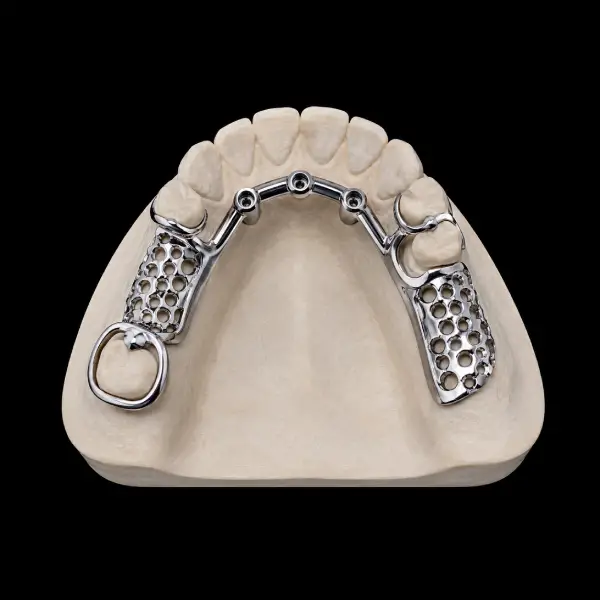
Cobalt-Chrome Implant Overdenture Bar FrameworkBestoDental Cobalt Chrome Implant Supported Denture Bar Stability comes first with these frameworks built on cobalt-chrome. Built tough, they hold overdentures firmly when implants are involved. Full arch work benefits from their lasting structure. Rigidity matters here – flex isn’t an option. Longevity shows up through repeated daily use. Retention stays strong over time because of precise engineering. These bars handle stress without bending out of shape.
|
|
|
CAD/CAM Cobalt-Chrome FrameworkBestoDental CAD/CAM Cobalt-Chrome Framework Starting off precise, BestoDental CAD/CAM Cobalt-Chrome Frameworks come into shape through digital design. Milling or printing brings them to life instead of old-school casting. Because of this shift, they match better in the mouth. Their consistency holds up every time. Accuracy climbs above what older techniques could deliver.
|
Cobalt-chrome Framework
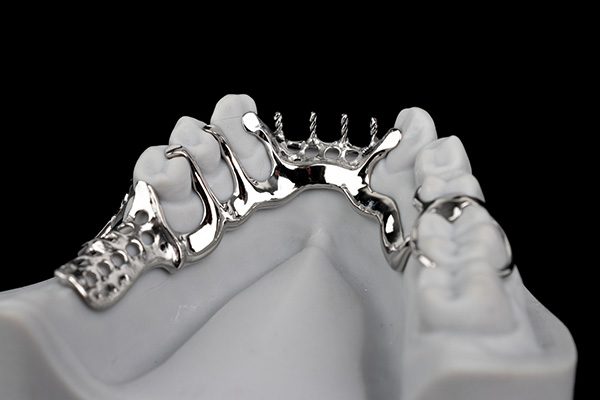
Cobalt-chrome Framework
Bestodental’s cobalt-chrome framework is manufactured using premium-grade materials and state-of-the-art technology to ensure a precise, reliable, and comfortable fit for every patient case.
- Exceptional durability, offering long-term resistance to wear and deformation.
- High biocompatibility, reducing the likelihood of allergic responses.
- Lightweight construction ensures greater comfort for daily use.
- A good thermal stability holds form and functionality within the oral environment.
Clinical & Technical Information
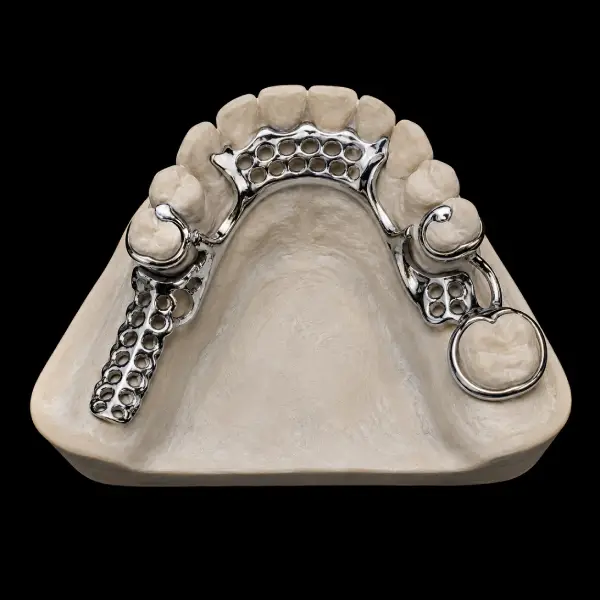
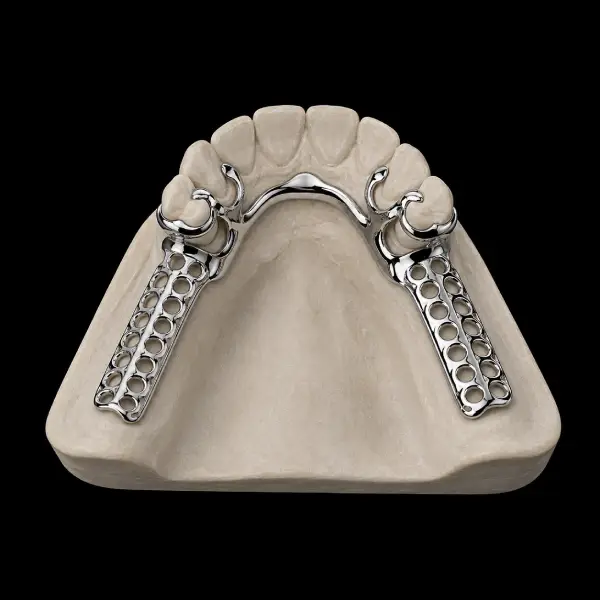
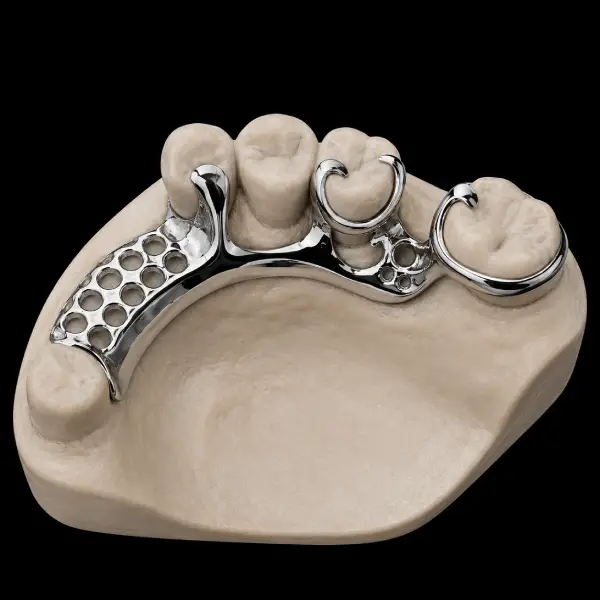
Metal frameworks made from cobalt-chrome show up often in partial dentures you can take out, also in prosthetics held by implants. Thanks to strong structure and solid defense against rust, they last quite some time under daily stress. Not every material handles mouth conditions like this one does, which explains its frequent role in dental work meant to perform well. Bestodental builds these parts using exact casting methods or digital design paired with computer-guided machining. Precision shapes meet steady construction, resulting in dependable results once placed in the patient’s mouth.
1. Indications
Our Cobalt-Chrome Framework systems are Suitable For:
- Removable partial denture (RPD) cases requiring metal framework support
- Partially edentulous patients with multiple missing teeth
- Long-span partial denture restorations requiring high rigidity
- Clasp-retained removable prostheses
- Implant overdenture bar-supported restorations
- Precision attachment-retained prosthetic systems
- Full-arch or segmental removable prosthetic rehabilitation cases
2. Technical Specifications
| Technical Parameter | Specification |
| Material Type | Cobalt-Chromium alloy (Co-Cr dental alloy) |
| Restoration Type | Removable partial denture framework / implant bar / attachment framework |
| Product Variants | Cast Cobalt-Chrome RPD Framework / Cobalt-Chrome Partial Denture Framework / Cobalt-Chrome Removable Framework with Clasps / Cobalt-Chrome Implant Overdenture Bar Framework / CAD/CAM Cobalt-Chrome Framework |
| Manufacturing Method | Lost-wax casting or CAD/CAM milling depending on design requirements |
| Framework Type | RPD framework, bar-supported structure, or attachment-retained framework |
| Clasp Design | Cast clasp arms, wrought wire clasp integration, or precision retention components |
| Attachment Compatibility | Compatible with locator systems, precision attachments, and bar overdenture systems |
| Implant Compatibility | Compatible with major implant systems for overdenture and hybrid cases |
| Fit Accuracy | High precision adaptation on master cast or digital CAD design models |
| Structural Rigidity | High rigidity suitable for long-span and high-load prosthetic applications |
| Corrosion Resistance | Excellent resistance to oral corrosion and long-term chemical stability |
| Biocompatibility | Good biocompatibility with low risk of allergic reaction |
| Surface Finish | Polished, matte, or sandblasted finish depending on clinical requirement |
| Design Flexibility | High flexibility for clasp, bar, and attachment design customization |
| Digital Workflow Compatibility | Compatible with STL files, exocad, 3Shape, and CAD/CAM design systems |
| Impression Type | Conventional impressions or digital scanning workflows supported |
| Repairability | Good adjustability and laboratory repair capability |
| Case Turnaround Time | 4–8 working days depending on framework complexity and design type |
3. Aesthetics
Here are the aesthetics for our Cobalt-Chrome Framework systems:
1) Strong Hidden Structural Support
Cobalt-Chrome frameworks provide durable internal reinforcement while remaining hidden under acrylic or composite prosthetic materials.
2) Long-Term Functional Stability
The high rigidity of Co-Cr alloy ensures stable occlusion and prosthetic integrity over extended clinical use.
3) Reliable Load Distribution
Framework design supports even stress distribution across abutment teeth or implants, reducing prosthetic failure risk.
4) Cost-Effective Metal Framework Solution
Offers a balance of strength, durability, and affordability for removable and implant-supported prostheses.
Order FAQs
1. What information is required to submit a Cobalt-Chrome Framework case?
Start by sharing the patient’s full name. Upper or lower arch? That matters. Send STL files if you have them – otherwise, include master impressions. Don’t skip the bite registration. Clasp design needs clear notes – what works, what doesn’t. Rest seats require exact prep details. Framework shape, how it should fit, retention hints – mention anything that guides the build.
2. Got digital scans?
Fine by us – STLs from big-name mouth scanners work just fine. Think 3Shape, Medit, those ones. Even if it’s from iTero or exocad, no problem at all. Pretty much any scanner that spits out an open STL format will do.
3. How long do most Cobalt-Chrome Framework jobs usually take?
Most jobs wrap up in about five to seven workdays once the design gets approved. When it comes to intricate RPD setups or those backed by implants, expect a longer stretch before completion.
4. Restorations Supported by Cobalt Chrome Framework?
Some partial dentures you can take out rely on cobalt-chrome structures. These metal bases often hold clasps that grip natural teeth. When implants are involved, such frameworks support overdentures too. Bars connected to these alloys stabilize certain dental fixes. Even complicated attachment setups may depend on their strength.
5. What is the difference between CAD/CAM and cast Co-Cr frameworks?
Machines shape CAD/CAM structures with digital accuracy, whereas wax molds form cast versions the old way. Precision comes from code in one, fire and mold in the other.
6. Fit precision within the structure – how is that checked regularly? What methods confirm alignment stays consistent over time?
Starting off differently each time, frameworks begin with scan details or impressions already given. Quality checks happen using digital methods or models before anything gets made for real. These steps make sure everything lines up right ahead of full-scale output.
7. Can Cobalt-Chrome frameworks be used for implant-assisted dentures?
True enough – these Co-Cr structures work well when anchoring removable partial dentures through implants. Sometimes they hold firm even under bar-retained overdenture setups.
8. What records are recommended for RPD framework fabrication?
Start with clear master models or digital STL files if possible. Bite records help shape the fit just right. Clasp plans should come through with exact notes on placement. The opposite arch? Include that too. Occlusion details matter most when they’re specific. Share what you’ve got – clarity speeds everything up.
9. What are the advantages of Cobalt-Chrome frameworks?
Starting strong, cobalt-chrome stands up well to heavy use because it resists bending and rusting over time. Built tough, this material handles constant stress without wearing down quickly. Because of its firm structure, it supports dental appliances that need to be taken out and put back daily. Lasting years under pressure, it remains stable where flexibility would cause problems. Even when exposed to wet conditions inside the mouth, it holds up reliably.