|
|
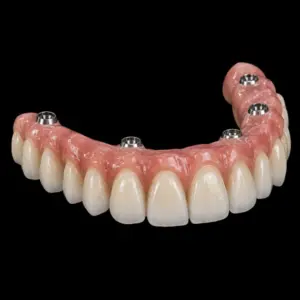
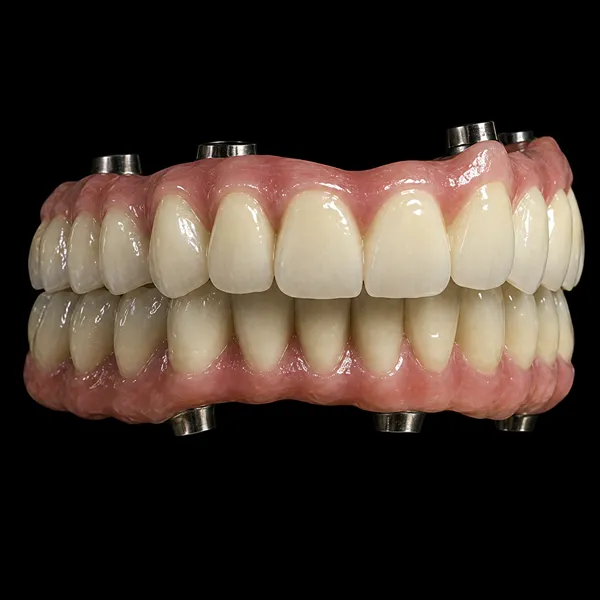
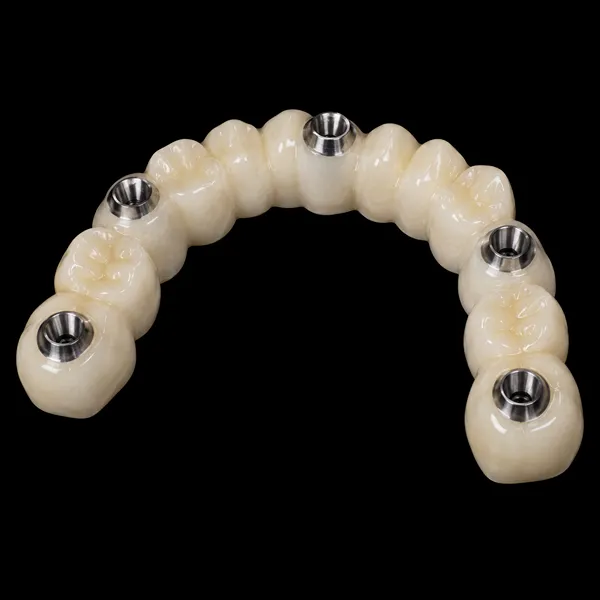
Screw-Retained PFM Implant BridgeOur screw-retained PFM implant bridge is designed to restore multiple missing teeth with an implant-supported fixed prosthesis secured by prosthetic screws. Its retrievable retention concept allows the bridge to be removed when clinical maintenance or access to the implant-supported components is required.
|
|
|
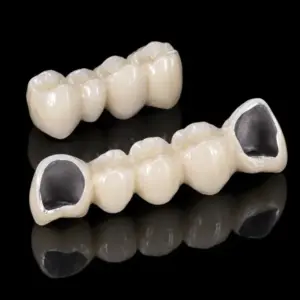
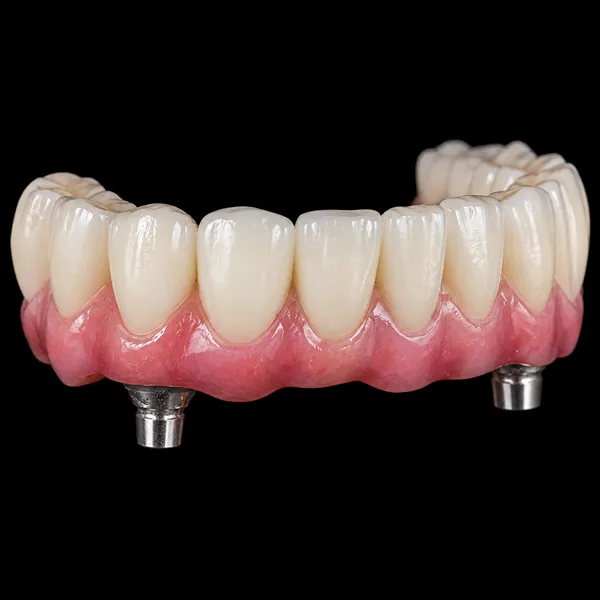
Cement-Retained PFM Implant BridgeBestoDental cement-retained PFM implant bridge combines a metal framework and porcelain veneering with an abutment-supported retention concept. The crown and pontic contours can be developed without conventional screw-access openings on the visible occlusal surfaces.
|
|
|
Multi-Unit PFM Implant BridgeWe provide multi-unit PFM implant bridges for restoring several missing teeth within a continuous implant-supported fixed prosthesis. The framework, pontic arrangement and occlusal anatomy can be coordinated according to the implant positions, edentulous span and functional requirements.
|
|
|
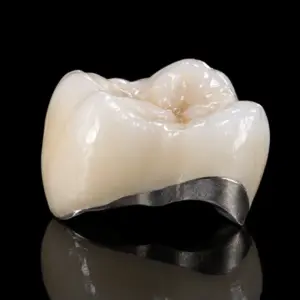
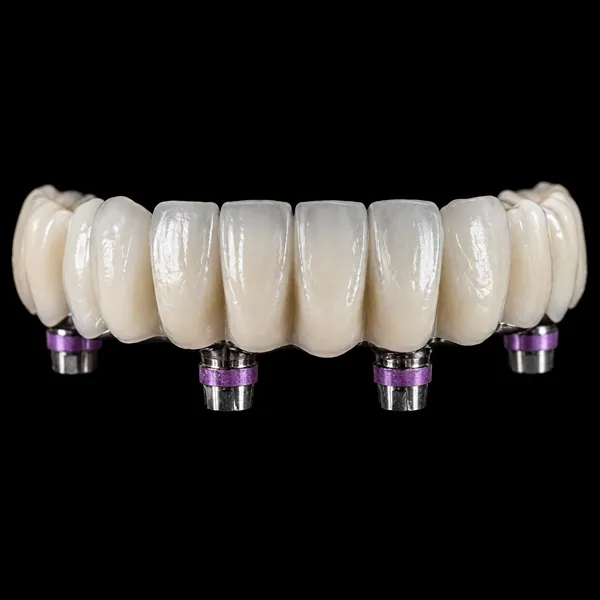
Co-Cr PFM Implant BridgeOur Co-Cr PFM implant bridge uses a cobalt-chromium alloy framework beneath the porcelain veneer to form the implant-supported structure. The framework can be designed around the prescribed implant components and bridge configuration while the porcelain provides the external tooth-colored anatomy.
|
|
|
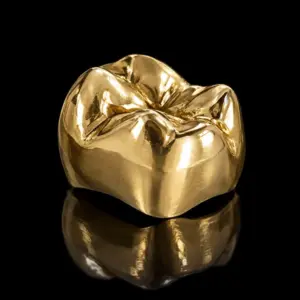
Titanium PFM Implant BridgeBestoDental titanium PFM implant bridge combines a titanium-based framework or prescribed titanium implant-supported component with veneering porcelain. Its material configuration is suitable for cases where titanium is specifically selected for the implant-supported bridge structure.
|
|
|
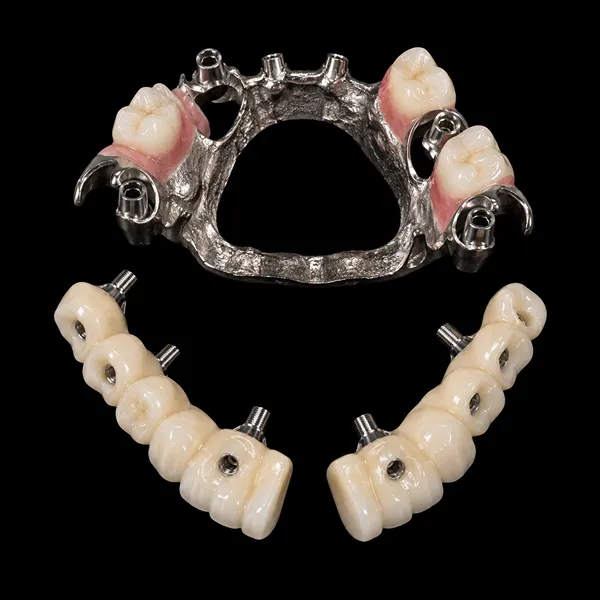
Segmented PFM Implant BridgeWe offer segmented PFM implant bridges in separate bridge sections designed to accommodate complex implant-supported restorative arrangements. The segmented configuration can help organize the prosthesis around implant distribution, available restorative space and the prescribed bridge design.
|
PFM Implant Bridge
PFM Implant Bridge
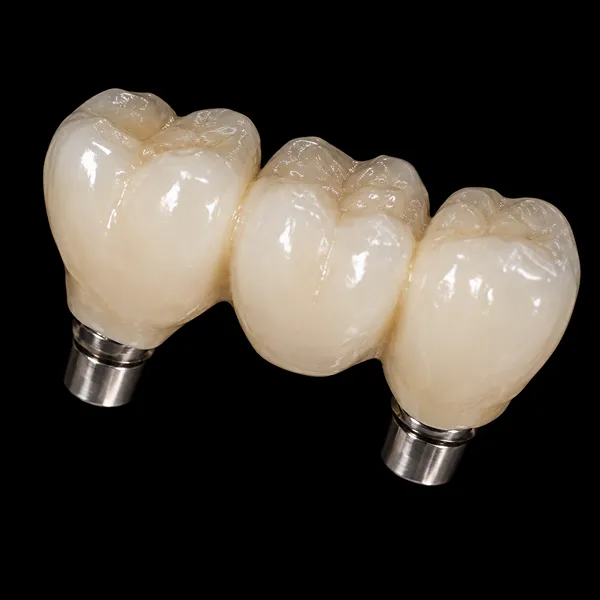
Our PFM implant bridge restorations provide a versatile metal-ceramic solution for replacing multiple missing teeth with implant-supported fixed prostheses. BestoDental offers screw-retained, cement-retained, multi-unit, Co-Cr, titanium, and segmented configurations to accommodate different implant systems, bridge arrangements, and restorative requirements, with customized framework, pontic, shade, and occlusal design for individual cases.
- Screw-retained and cement-retained PFM implant bridge configurations
- Multi-unit and segmented PFM implant bridge options for different implant distributions
- Co-Cr and titanium framework options for prescribed implant-supported restorations
- Customized pontic morphology, shade, proximal contacts, and occlusal anatomy
Clinical & Technical Information
PFM implant bridge is a fixed metal-ceramic restoration that combines an implant-supported metal framework with veneering porcelain to replace multiple missing teeth. BestoDental provides screw-retained, cement-retained, multi-unit, Co-Cr, titanium and segmented configurations to accommodate different implant positions, retention concepts, framework requirements and bridge arrangements.
1. Indications
Our PFM implant bridge restorations are suitable for:
- Replacement of multiple missing teeth with implant-supported fixed bridges
- Screw-retained implant bridge restorations where retrievability is preferred
- Cement-retained implant bridges using suitable implant abutments
- Multi-unit implant-supported fixed restorations
- Implant bridges requiring Co-Cr framework configurations
- Implant bridges prescribed with titanium-supported framework components
- Complex cases requiring segmented bridge configurations
- Restorations requiring customized pontic morphology, shade, proximal contacts and occlusal anatomy
2. Technical Specifications
| Product Name | PFM Implant Bridge |
| Bridge Configurations | Screw-Retained, Cement-Retained, Multi-Unit and Segmented Implant Bridges |
| Framework Options | Co-Cr Alloy, Titanium or Other Prescribed Implant-Compatible Metal Framework |
| Veneering | Dental Porcelain |
| Retention | Screw-Retained or Cement-Retained |
| Implant Connection | Designed According to the Specified Implant System and Components |
| Framework Design | Customized According to Implant Distribution and Bridge Configuration |
| Pontic Design | Customized According to Edentulous Span and Adjacent Dentition |
| Segmented Configuration | Available for Cases Requiring Multiple Coordinated Bridge Sections |
| Shade | Customized According to Prescribed Shade |
| Tooth Morphology | Customized Anatomical Form and Surface Contour |
| Occlusal Design | Customized According to Opposing Dentition and Functional Requirements |
| Proximal Contacts | Customized According to Adjacent Teeth and Clinical Prescription |
| Emergence Profile | Customized According to Implant Position and Prosthetic Requirements |
3. Aesthetics
Aesthetics for our PFM implant bridge restorations focus on coordinating the pontics and implant-supported crowns with the adjacent dentition through appropriate shade, morphology, contour and surface anatomy.
1. Natural-Looking Porcelain Veneering
The porcelain veneering layer is designed to reproduce the color, anatomy and surface characteristics of natural teeth while covering the underlying metal framework.
2. Customized Pontic Morphology
Pontic form can be adjusted according to the edentulous space, adjacent teeth and prescribed tissue-contact requirements to create a harmonious bridge appearance.
3. Shade Coordination
The porcelain shade can be selected according to the prescribed shade and surrounding dentition, helping the implant bridge integrate visually with the existing teeth.
4. Segmented Bridge Aesthetics
For segmented configurations, the individual bridge sections can be coordinated in shade, tooth morphology and surface characterization to maintain visual continuity across the restoration.
5. Occlusal and Proximal Anatomy
Occlusal anatomy, proximal contacts and external contours can be customized according to the opposing dentition, adjacent teeth and functional requirements of the case.
Order FAQs
1. What is the difference between a screw-retained and cement-retained PFM implant bridge?
A screw-retained PFM implant bridge is secured through prosthetic screws and provides a retrievable retention concept. A cement-retained bridge is secured to suitable implant abutments with dental cement, allowing the visible crown surfaces to be designed without conventional screw-access openings.
2. What is the difference between Co-Cr and titanium PFM implant bridges?
The primary difference is the framework material. A Co-Cr PFM implant bridge uses a cobalt-chromium alloy framework, while a titanium PFM implant bridge is designed with a titanium-based framework or a prescribed titanium implant-supported component.
3. Can the pontic design and tooth morphology be customized?
Yes. Pontic shape, tooth morphology, surface contour, proximal contacts, and occlusal anatomy can be customized according to the edentulous space, adjacent dentition, and clinical prescription.
4. What information is needed when ordering a PFM implant bridge?
The implant system and connection, number and position of implants, retention method, bridge configuration, and framework material should be provided. The prescription may also include shade, pontic design, occlusal requirements, proximal contacts, and any specific segmentation or framework requirements.