|
|
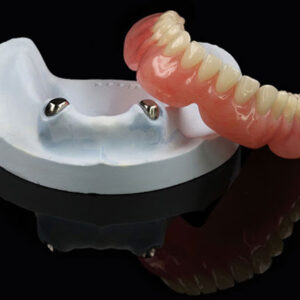
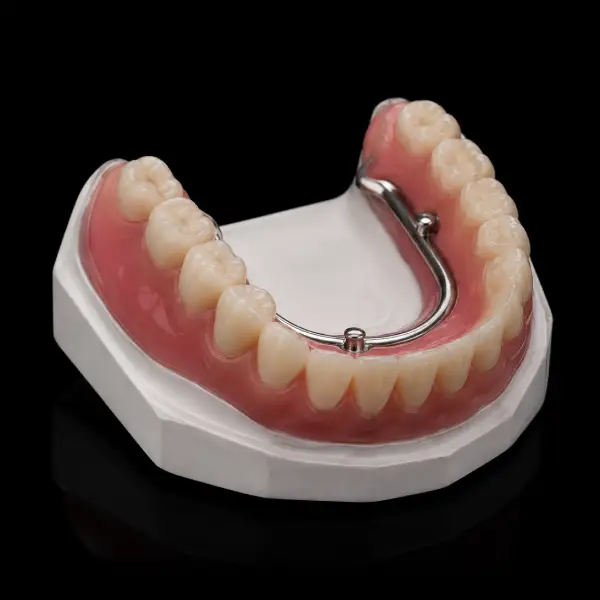
Standard MK1 AttachmentBestoDental Standard MK1 Attachment From start to finish, BestoDental crafts Standard MK1 Attachments built for common removable partial dentures and overdentures. These pieces hold steady over time, offering predictable grip without surprise shifts during regular use. Each unit comes shaped by a careful casting method that locks in proper alignment. Function follows form here – what you see fits exactly where it should. Day after day, they work as intended, staying stable under real-world demands.
|
|
|
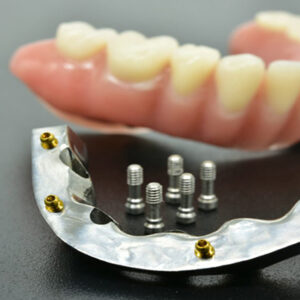
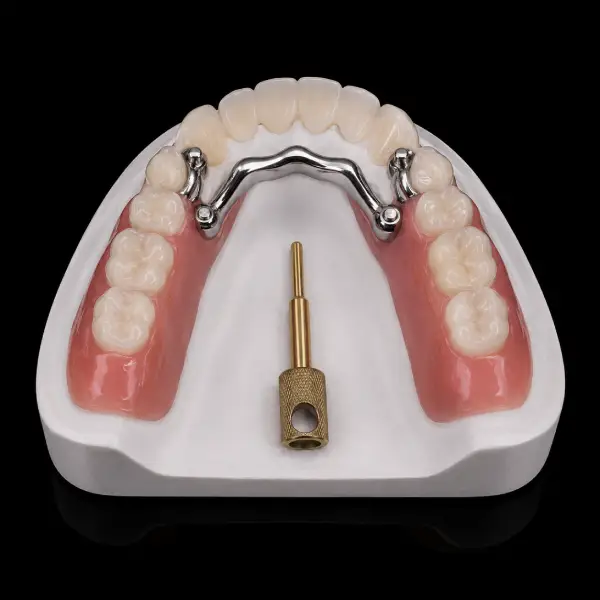
Rigid MK1 AttachmentOur Rigid MK1 Attachment From the start, BestoDental builds Rigid MK1 Attachments used in removable partial dentures along with overdenture setups needing strong hold and little shift during use. These parts lock into place reliably because accuracy matters when fitting false teeth securely over natural ones. With tight control over movement, each piece helps keep the dental work steady exactly where it should be. When stability counts most, this setup supports better chewing ability while boosting how people feel wearing their appliances. At its core, the design focuses on stiffness you can trust without sacrificing fit.
|
|
|
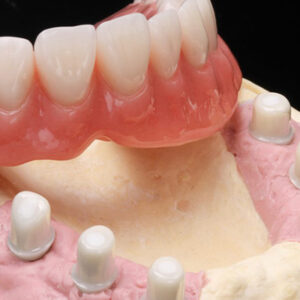
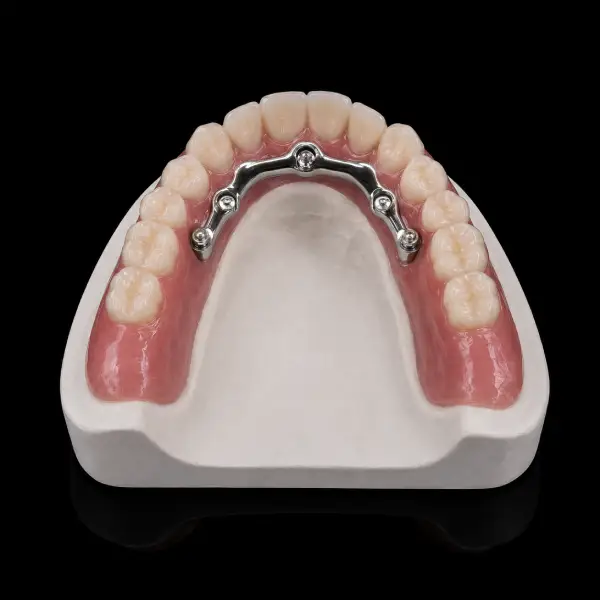
MK1 Attachment for Partial DenturesBestoDental MK1 Attachment for Partial Dentures Each MK1 Attachment for Partial Dentures improves how well removable prostheses stay in place, function, and remain steady during daily use. Crafted by BestoDental with exacting standards, every unit fits precisely – supporting dependable results in clinical settings. Because of careful manufacturing, these attachments deliver stronger hold without compromising patient comfort or simplicity in handling. While maintaining durability, they also simplify everyday wear and adjustment for both dentist and wearer.
|
|
|
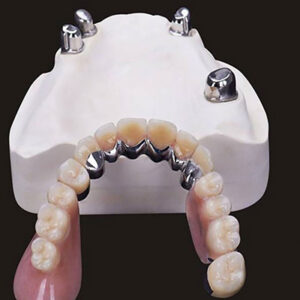
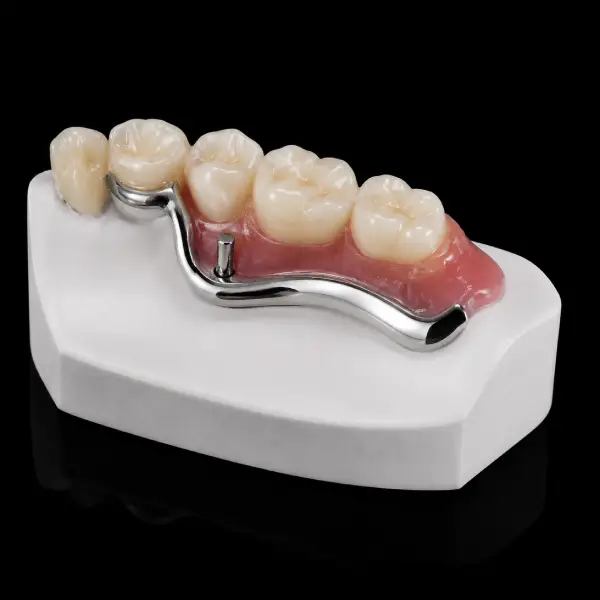
Resilient MK1 AttachmentOur Resilient MK1 Attachments are designed by BestoDental to provide controlled resilience and optimized stress distribution between prosthesis and supporting structures. This functional design improves patient comfort while reducing excessive force transmission to abutments.
|
MK1 Attachment
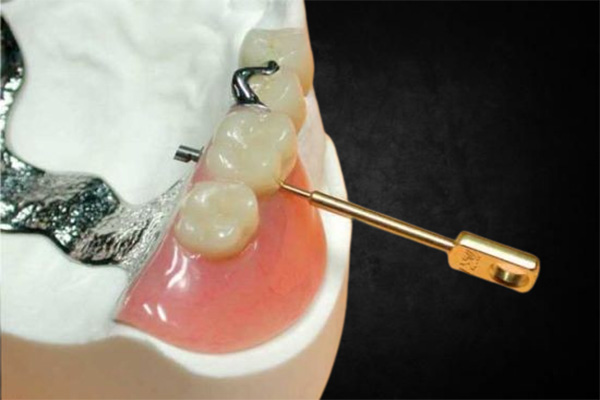
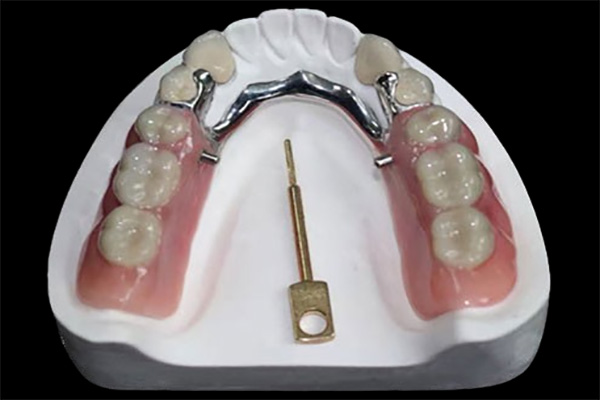
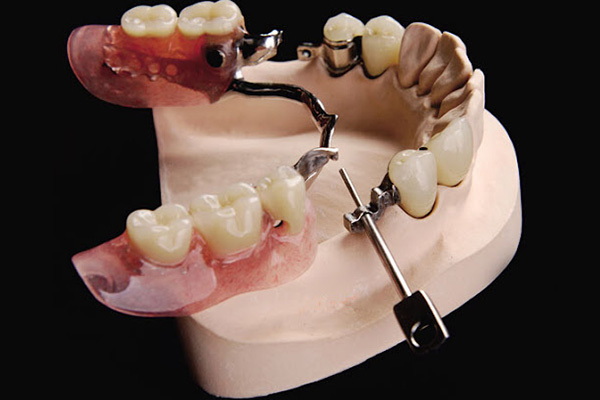
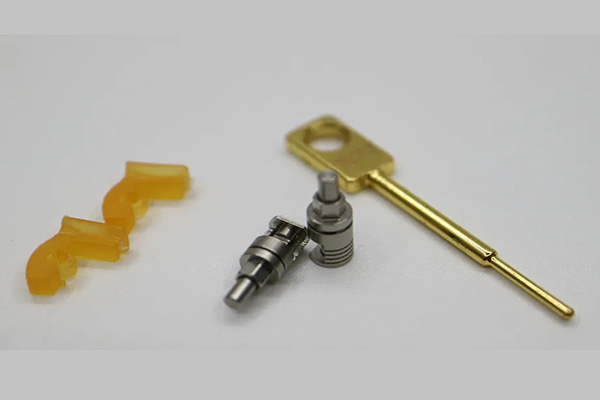
MK1 Attachment
Bestodental’s MK1 attachment is precisely engineered to ensure secure and accurate prosthetic connectivity across a range of clinical applications.
- Compliant with various dental restorations including partial dentures, bridges, and implant-supported prostheses.
- Economical and esthetic design ensures seamless adaptation into the patient‘s natural dentition.
- Being a professional-level precision attachment, it significantly enhances dental restoration stability and retention.
- Produced from top-quality materials like cobalt-chromium or titanium to ensure extended performance and reduced risk of biological complications.
Clinical & Technical Information
What makes the MK1 Attachment stand out is its role in securing removable partial dentures, overdentures, or certain implant-supported prostheses. Retention proves consistent, while stability of the prosthesis improves noticeably – often due to fewer visible clasps being necessary. Crafted through precision casting methods, each unit from Bestodental aims at dependable function over time. Laboratory adaptation remains smooth whether working within traditional setups or modern digital pipelines. Longevity and accuracy emerge as central traits across varied clinical uses.
1. Indications
Our MK1 Attachments are Suitable For:
- Kennedy Class I and Class II distal extension removable partial dentures
- Tooth-supported removable partial dentures requiring enhanced retention and stability
- Implant-assisted removable prostheses in selected combined support cases
- Overdenture restorations requiring reliable retention and easy maintenance
- Cases where esthetic demands require elimination of visible clasps
- Patients requiring improved prosthesis stability and functional support
- Removable prosthetic restorations utilizing precision attachment retention systems
2. Technical Specifications
| Technical Parameter | Specification |
| Material Type | Precision cast dental alloy |
| Restoration Type | Precision attachment system for removable prosthetic restorations |
| Product Variants | Standard MK1 Attachment / Rigid MK1 Attachment / MK1 Attachment for Partial Dentures / Resilient MK1 Attachment |
| Retention Level | Moderate to high retention depending on attachment design |
| System Type | Precision extracoronal attachment system |
| Attachment Design | Precision male-female attachment mechanism for removable prosthesis retention |
| Movement Characteristics | Rigid or resilient behavior depending on selected attachment design |
| Stress Distribution | Controlled load transfer between prosthesis and supporting structures |
| Vertical Space Requirement | Requires adequate restorative space based on attachment selection and prosthetic design |
| Prosthesis Compatibility | Removable partial dentures, overdentures, and selected implant-assisted prostheses |
| Abutment Compatibility | Natural tooth abutments and selected implant-supported restorative designs |
| Manufacturing Method | Precision casting with laboratory finishing and fitting procedures |
| Digital Workflow Compatibility | Compatible with conventional laboratory workflows and digital CAD/CAM prosthetic planning |
| Maintenance Requirement | Periodic clinical evaluation and attachment maintenance recommended |
| Service Life | Long-term retention performance with appropriate maintenance and case selection |
| Case Turnaround Time | Typically 3–7 working days depending on case complexity and prosthetic design |
3. Aesthetics
Aesthetics of the MK1 Attachment System
1) Clasp-Free Esthetic Design
With MK1 Attachments, clasp arms stay out of sight. This means dentures look less obvious. A smoother smile emerges when hardware hides beneath the surface. Instead of noticeable clips, teeth align naturally. The result feels simpler. Less distraction comes from bulky parts. Design blends into gums subtly. Function meets discreet form. Restorations appear closer to real teeth. Eyes focus on smiles, not mechanisms.
2) Improved Smile Esthetics
Hidden inside the prosthesis, the attachment system keeps retention parts out of sight when talking or smiling. While designed for function, it avoids drawing attention during facial movements. Smiling reveals little trace of hardware due to internal integration. Because placement occurs within the structure, visible elements stay minimal. Retention works without exposure, thanks to built-in positioning. During speech, the mechanism remains concealed by intentional shaping.
3) Hidden Retention System
Hidden inside the restoration, the precision attachment offers reliable hold while maintaining a natural look. Though small, it works effectively where visibility matters most – blending function with design quietly.
4) Balanced Function and Esthetics
With MK1 Attachments, prostheses stay securely in place while also delivering better appearance results. These components work well across many types of removable dental solutions because they balance stability and visual appeal. Their design supports reliable function without compromising on aesthetics. Different clinical situations benefit from their consistent performance. Retention remains strong even as cosmetic needs are met effectively.
Order FAQs
1. What information is required to submit an MK1 Attachment case?
Provide abutment tooth numbers and specify restoration type (RPD, overdenture, or implant-supported). Include actual vertical and horizontal space measurements. Indicate attachment type (Standard, Micro, High-Retention, or Resilient). Submit STL files or a physical model. Add a bite record plus crown shape and contour details for accurate alignment.
2. Accepting digital workflows and CAD/CAM files?
Yes. We support full digital workflows, including STL files from 3Shape, exocad, intraoral scanners, and other open CAD/CAM systems. Traditional impressions can also be used when needed.
3. Choosing the right MK1 Attachment model?
Standard: typical RPD cases with sufficient space.
Micro: limited inter-arch space or small abutments.
High-Retention: cases needing maximum stability.
Resilient: distal extension cases requiring stress absorption.
Selection depends on clinical conditions and available space.
4. How long do MK1 Attachment cases take?
Usually 3–7 working days after design approval. Timing depends on case complexity, number of components, and workflow type (digital or casting). Lab schedule may also affect duration.
5. Can retention strength be adjusted after placement?
Yes. Changing polymer insert levels adjusts retention strength. Inserts with different resistance grades allow clinicians to fine-tune fit over time.
6. Space requirements for MK1 Attachment systems?
Adequate vertical and horizontal space is required. Micro MK1 works in tight vertical conditions. Standard, High-Retention, and Resilient types require conventional prosthetic space.
7. Can MK1 Attachment be used with crowns or removable structures?
Yes. MK1 works with crown-retained abutments and removable partial dentures, suitable for tooth-supported or combined tooth-implant restorations.