|
|
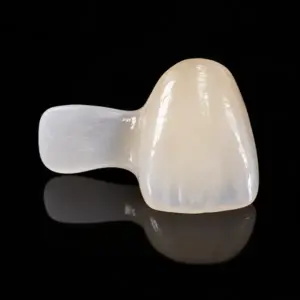
Layered Zirconia CrownsBestoDental crowns rely on a tough zirconia base paired with a lifelike outer shell of ceramic. Strength comes first thanks to that solid foundation, yet appearance doesn’t take a back seat; light moves through the surface just like real enamel. Because of how they’re built, these restorations fit well where front teeth need both beauty and resilience.
|
|
|
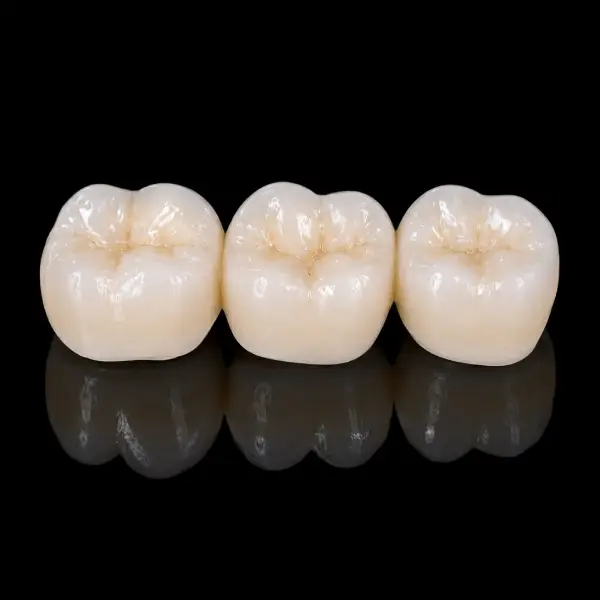
Layered Zirconia BridgesBestoDental layered zirconia bridges start strong up front, blending toughness with realistic looks across multiple teeth. Built on a foundation of zirconia, they handle chewing pressure without issue. Instead of just lasting long, they also look right at home in your smile.
|
|
|
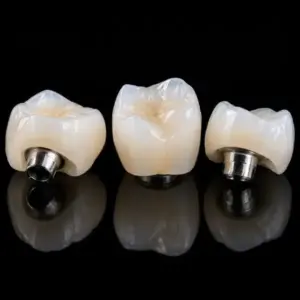
Layered Zirconia Implant CrownsOur layered zirconia implant crown: a core built tough keeps everything steady under pressure. Then comes thin ceramic work that shapes how gums appear around the tooth. This setup works best up front, where every detail shows.
|
|
|
Layered Zirconia Implant BridgesOur layered zirconia implant bridges start with resilience, combining toughness and natural looks for multi-unit replacements. Built on a foundation of zirconia, they resist wear over time, whereas hand-applied porcelain delivers depth in shade and light transmission. Accuracy comes alive via digital workflow, guiding harmony between bite alignment and restoration shape.
|
|
|
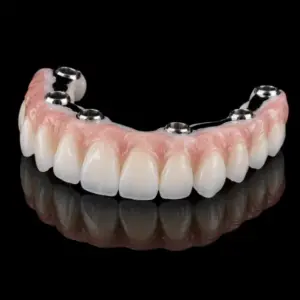
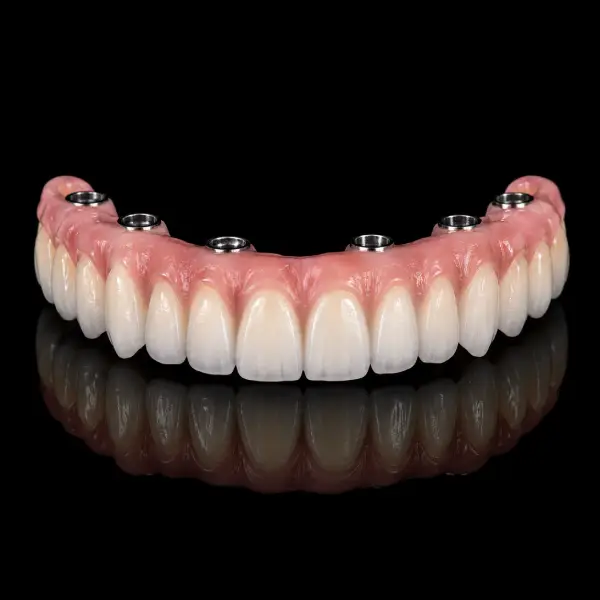
Full Arch Layered Zirconia RestorationsBestoDental’s full arch zirconia restorations handle complete mouth rebuilds with high-end looks. Because the core is zirconia, it holds up well under pressure along the entire span. Yet beauty isn’t lost – porcelain on the outside adds soft color shifts and realistic texture.
|
Layered Zirconia
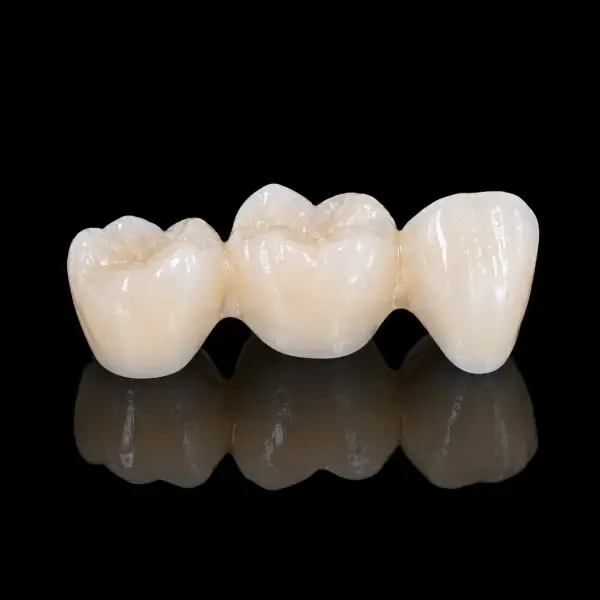
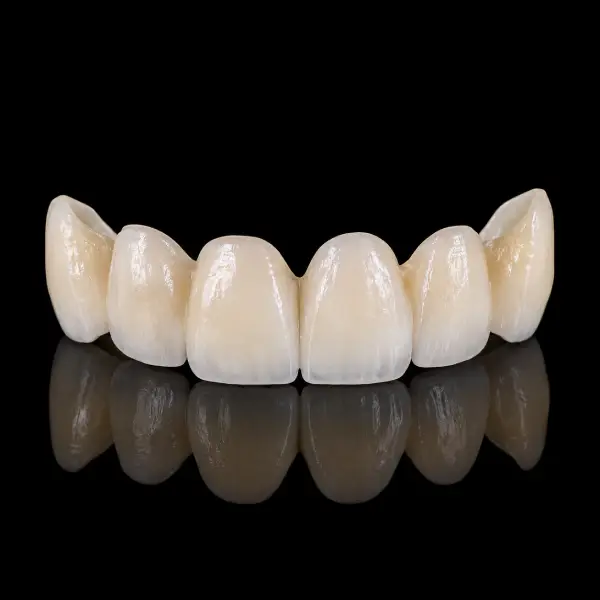
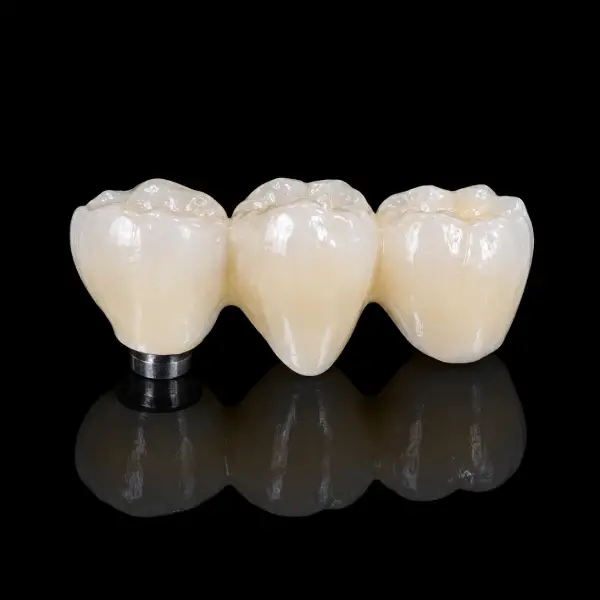
Layered Zirconia
BestoDental provides high-quality layered zirconia restorations designed to combine a strong zirconia core with ceramic layering, achieving a balance of durability and superior esthetics for demanding restorative cases.
- Porcelain layering enhances natural translucency, shading, and surface detail for highly esthetic results.
- A strong zirconia framework provides reliable support and improved fracture resistance under functional load.
- Ideal for anterior restorations where esthetics and natural appearance are primary concerns.
- Carefully controlled layering technique improves color depth and lifelike tooth reproduction.
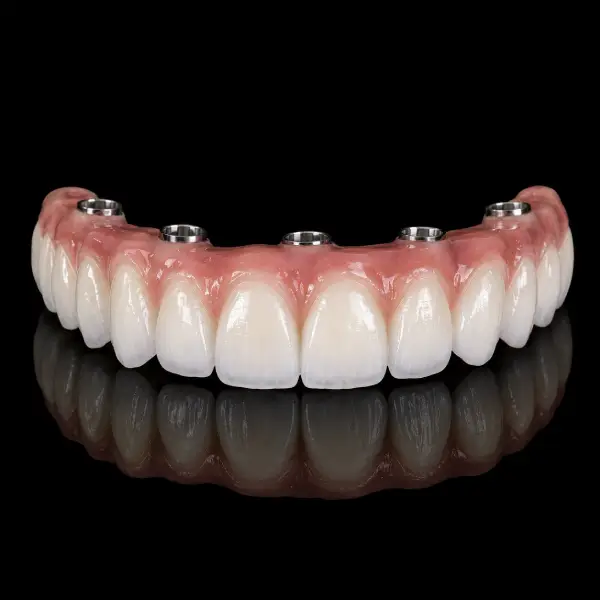
Clinical & Technical Information
Some dentists pick layered zirconia when they need durability plus better appearance. Instead of single-material crowns, this option offers more lifelike color shifts and light effects up front. The outer coating adds subtle detail, yet the base stays tough. Light moves through it differently than solid blocks, closer to real teeth. Strength holds firm behind a more realistic exterior.
It is commonly used in both single-unit and multi-unit restorations where esthetic demands are higher and functional load is moderate to high. Through BestoDental’s digital workflow, zirconia frameworks are precisely designed to ensure proper support for veneering ceramics and long-term clinical stability.
1. Indications
Our layered zirconia restorations are suitable for:
- Anterior single crowns requiring high esthetic outcomes
- Posterior crowns where improved esthetics is required over full contour zirconia
- Multi-unit bridges in esthetic zones requiring porcelain layering
- Implant-supported anterior crowns with high esthetic demand
- Implant-supported bridges requiring veneered ceramic esthetics
- Full arch restorations where esthetics is a primary consideration
- Cases requiring customized shade and detailed surface characterization
- Replacement of PFM restorations with improved esthetic requirements
- Patients with high smile line requiring natural emergence profile
2. Technical Specifications
| Technical Parameter | Specification |
| Material Type | High-strength zirconia core with layered porcelain veneering |
| Restoration Type | Crowns, Bridges, Implant Restorations, Full Arch Restorations |
| Product Variants | Layered zirconia crowns / layered zirconia bridges / layered zirconia implant crowns / layered zirconia implant bridges / full arch layered zirconia restorations |
| Flexural Strength (Core) | Approx. 900–1200 MPa (zirconia core) |
| Veneering Material | Feldspathic or low-fusing ceramic porcelain |
| Esthetic Performance | High esthetic customization with layered shading and morphology |
| Translucency | Controlled via veneering porcelain thickness and layering technique |
| Minimum Framework Thickness | Approx. 0.5–1.0 mm zirconia core depending on indication |
| Porcelain Thickness | Approx. 0.8–1.5 mm depending on esthetic requirements |
| Marginal Adaptation | High precision CAD/CAM zirconia framework design |
| Surface Finish | Hand-layered ceramic with staining and glazing |
| Shade System | VITA classical and custom shade matching supported |
| CAD/CAM Compatibility | STL, 3Shape, exocad compatible workflows |
| Implant Compatibility | Compatible with major implant systems |
| Metal Content | 100% metal-free |
| Case in Lab Time | Typically 2-3 working days depending on layering complexity |
3. Aesthetics
Aesthetics of our layered zirconia
1) Superior natural esthetics
The veneered porcelain layer allows detailed reproduction of natural enamel characteristics, including translucency, opalescence, and surface texture.
2) High customization capability
Each restoration can be individually layered and characterized to match adjacent dentition, making it suitable for high-demand esthetic cases.
3) Depth and vitality of appearance
Compared with monolithic systems, layered zirconia provides greater depth perception and lifelike optical behavior in the anterior region.
4) Balanced strength and esthetics
The zirconia core provides structural support while the ceramic layer enhances visual appearance, making it suitable for esthetic-driven restorative cases requiring reliable function.
Order FAQs
1. What information is required to submit a layered zirconia case?
Begin with the patient’s complete name along with precise tooth numbers or implant sites. When it comes to Layered Zirconia work, include details like whether it is a crown, bridge, or veneer-backed crown, plus preferred margin shape and cosmetic concerns. Instead of guessing tones, state shades directly; mention both dentin and enamel color choices so layering reflects what is needed.
2. How long do layered zirconia restorations usually take to complete?
Working days add up differently based on how tricky a case turns out to be. 2-3 passes by once the go-ahead hits for single crowns. When bridges enter the picture, expect closer to 3 through 5, shaped by pontic choices. Porcelain shaping eats extra hours when front teeth need finesse. Layering depth stretches the clock further if looks matter more.
3. For layered zirconia work, what color details must be shared?
Because layered zirconia uses porcelain built up on a strong base, matching shades closely affects how light moves through it. To get closer to the look of real teeth, send along your VITA classical guide choices, the color of the prepared tooth, plus images taken where daylight hits. Getting those details right shapes how deep and lifelike the restoration appears in the mouth. Without precise input on dentin and surface tones, subtle variations may be missed.
4. What shape does the frame take when building up zirconia layers?
A single zirconia coping takes shape first, forming the core of every layered restoration to hold up the structure and leave room for porcelain on top. Shaped by digital tools, the base gets fine-tuned so the ceramic coating stays even, particularly where appearance matters most. Edges are checked closely, joints in bridge work stay robust, while enough room remains carved out to add layers, never too bulky.
5. What should be provided to ensure accurate esthetic outcome?
Start by snapping sharp pictures inside the mouth; clarity matters. A neighboring tooth’s color gives a solid starting point instead of guessing shades. Mention exact needs about shape, gloss, or how light passes through the material.
When blending with old work, toss in photos of prior cases or sample crowns. Those help fine-tune layers and stains without trial and error. Details like these steer the outcome closer to invisible fixes.