In this guide, BestoDental will explain what an outsourced dental lab is, outline the associated workflows, identify common outsourced products, highlight key outsourcing markets, and address frequently asked questions regarding the outsourcing process. If you are planning to entrust your dental cases to an overseas or external laboratory for fabrication, this article will help you gain a comprehensive understanding of the fundamental principles and key information involved in dental outsourcing.
BestoDental is a service-oriented, full-service dental prosthesis outsourcing lab. Drawing upon over a decade of experience in the field, we have compiled this article to provide a clear and practical reference for those who are new to outsourcing dental cases or are preparing to initiate an outsourcing partnership.
We also warmly welcome feedback and corrections from our industry peers and clients; if you discover any inaccuracies within this text, please do not hesitate to contact us, and we will promptly verify and rectify the information.
1. What is Dental Lab Outsourcing?
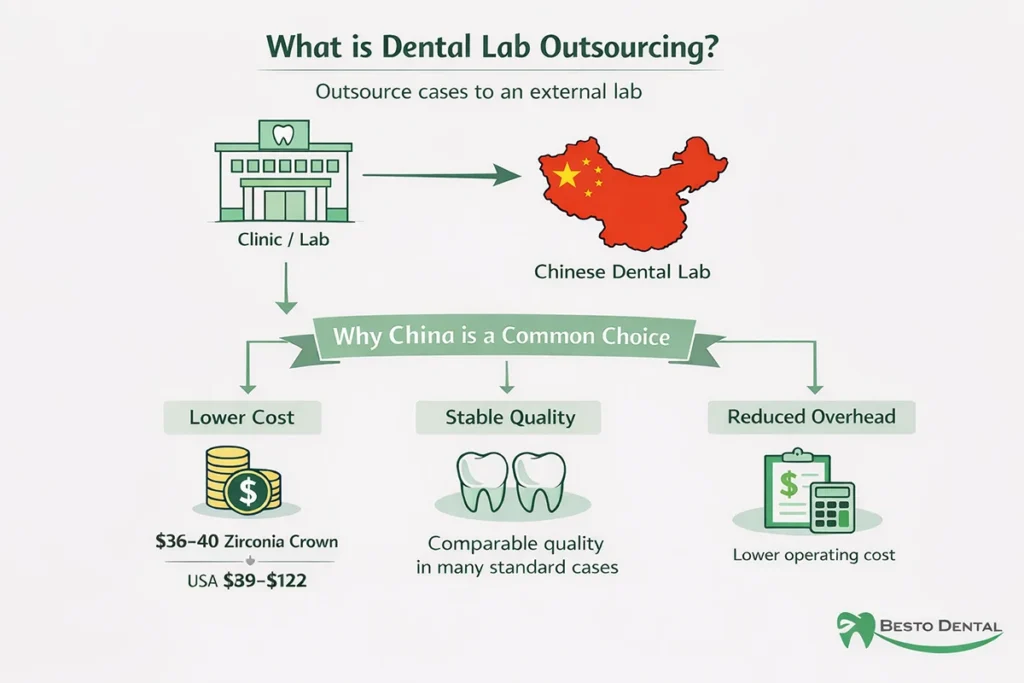
“Dental lab outsourcing” is the process whereby a clinic contracts dental restorative work to an outside third-party laboratory rather than carrying out such work in-house. In relation to the partnering entity, outsourcing could either take place through a clinic subcontracting its dental restoration work to an outside laboratory based in another country or vice versa.
Geographically, the work may be outsourced to either a local laboratory or an overseas one. Regarding the workflow, you have the option to outsource the entire case process—from start to finish—or to outsource only specific segments of the process; for instance, outsourcing solely the design phase or solely the actual fabrication of the dental product.
Why are more and more people choosing to outsource their dental lab work? The primary reason lies in the cost advantage. Take the US as an example: the cost of outsourcing to a Chinese laboratory can be up to four times lower. Consider a basic single zirconia crown: according to our research, the price charged by Chinese laboratories typically ranges from $36 to $40 per unit.
In contrast, the published laboratory fee for a single full-zirconia crown at a local U.S. lab commonly falls between $89 and $122, and for some high-end domestic labs, the cost can be even higher. Here is another reality: in fact, As the world’s largest outsourcing center for dental prostheses, China’s industry is already quite mature. Many Euro-American dental clinics and laboratories already outsource their prosthetic fabrication to China, producing work that is identical in quality to that of local U.S. labs. Identical quality at a price that can be up to four times lower, this is the primary reason driving the trend toward outsourcing.
Furthermore, outsourcing to a third-party laboratory can significantly reduce a lab’s operational overhead; since you do not need to hire a large staff, the overall cost of running the laboratory becomes substantially lower.
2. How Does the Dental Outsourcing Process Work?
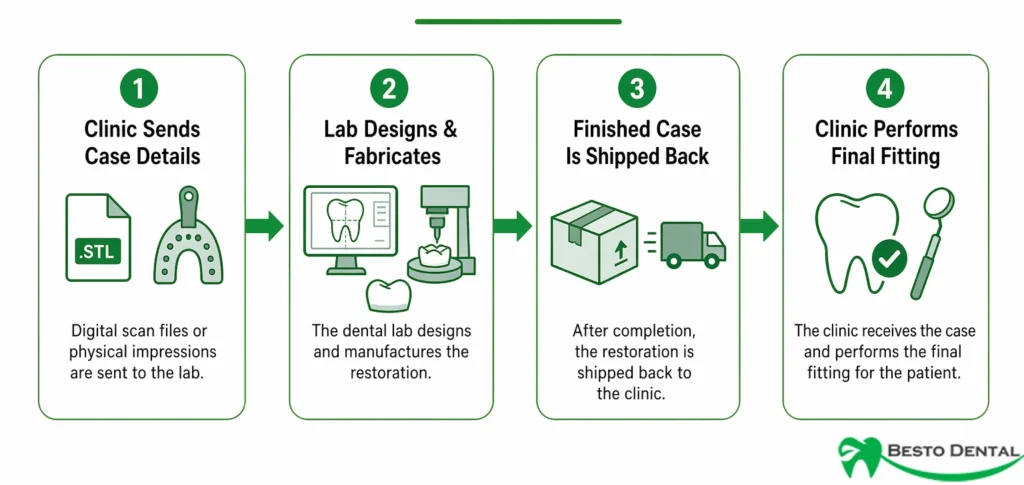
How does the outsourcing process actually work? The entire procedure is actually quite simple. It all begins when you send the case details to your selected laboratory partner. This can take the form of digital files generated by your intraoral scanner or traditional physical impressions. After taking over the project, the contracted laboratory will be responsible for the design and fabrication of the restoration. After completion, the laboratory will then dispatch the ready restoration back to your clinic, enabling you to complete the last stage by fitting it onto the patient.
Additionally, it should be noted that there are laboratories that might sub-contract the case to another provider; hence, transparency between the partners is essential. Determination of the exact manufacturer of the restoration is an important element in achieving consistency in quality control.
3. Common Dental Lab Outsourcing Products?
In fact, with the continuous advancement of dental fabrication technologies, most common dental products today can be produced through laboratory outsourcing. In relation to whether the restoration involves fixed restoration, removable restoration, implant restoration, or orthodontic appliance, most outsourcing countries are now equipped with comprehensive facilities to cater for such services. One of the countries that have been in the limelight as far as dental laboratory outsourcing is concerned is China.
For the sake of clarity, we can broadly categorize common outsourced products into five groups: fixed restoration, removable restoration, implant restorations, orthodontic products, and design services. Let us examine each of these categories in turn.
1) Fixed restorations
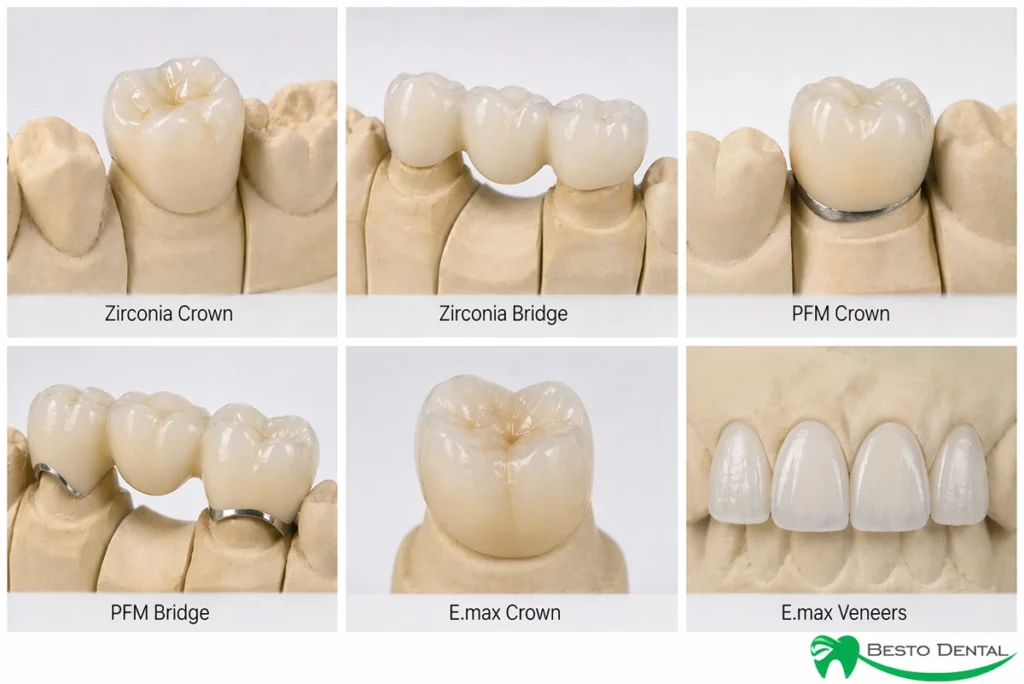
Fixed restorations constitute the most fundamental and prevalent category of products within the dental outsourcing sector. A defining characteristic is that, once placed, these restorations are permanently secured within the oral cavity by the dentist, rendering it impossible for the patient to remove or reinsert them independently. This product category is typically the first to be outsourced by many dental clinics and laboratories, owing to its high volume of demand, the maturity of its product types, and its relatively standardized workflows. Common examples include:
- Zirconia Crown
- Zirconia Bridge
- PFM Crown
- PFM Bridge
- E.max Crown
- E.max Veneers
In fact, the outsourcing process for fixed restorations is quite similar. Here, using zirconia as an example, we have compiled a guide on how to outsource zirconia products. If you are interested, please read the following article: Zirconia Dental Lab Outsourcing Guide: Price, Workflow & Lab Selection.
2) Removable restorations
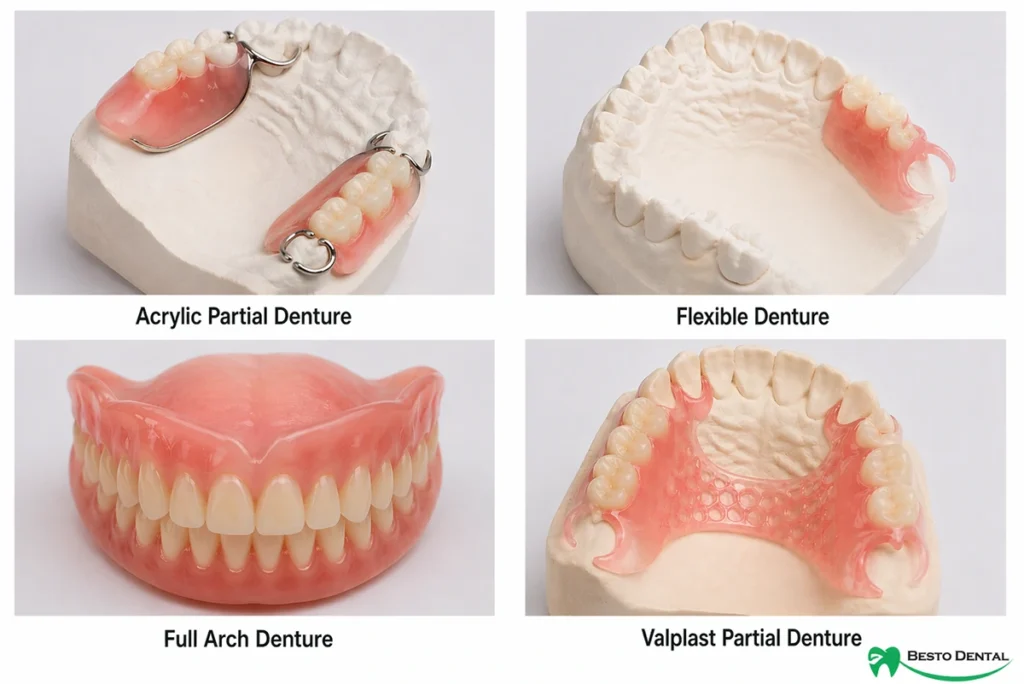
Removable restorations refer to dental restorations that patients can insert and remove independently; they are primarily used to restore partial or complete edentulism. For dental laboratories that routinely handle cases from abroad, removable prostheses—particularly standardized partial and complete dentures—are also a common type of outsourced project. Common products include:
- Acrylic Partial Denture
- Flexible Denture
- Full Arch Denture
- Valplast Partial Denture
3) Implant
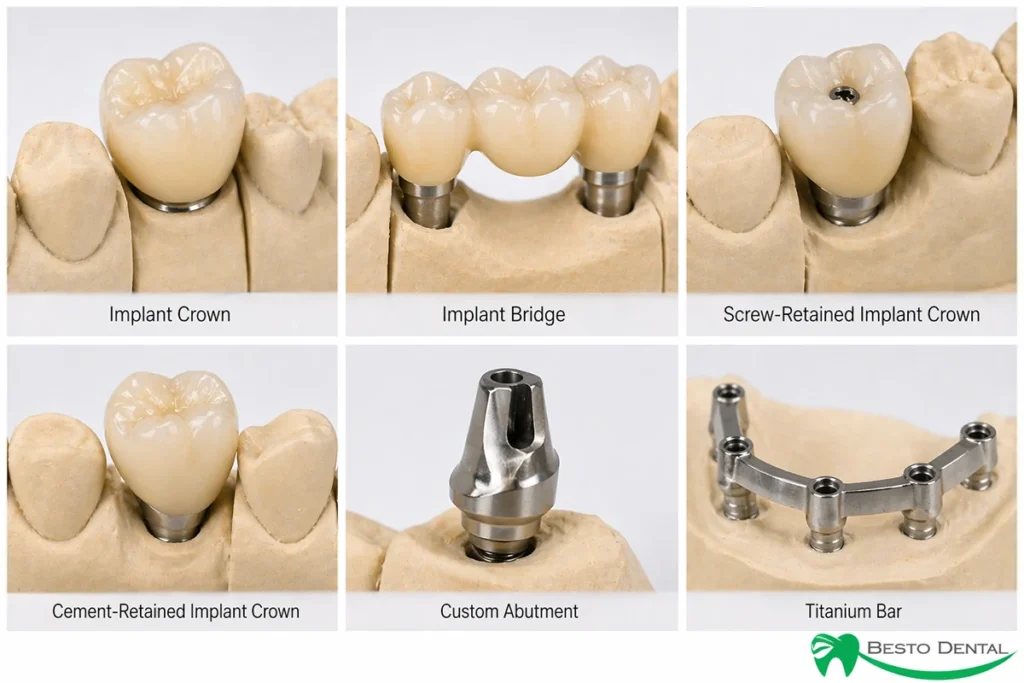
Compared to fixed and removable restorationss, implant restorations typically entail a higher degree of complexity. This involves not only the coordination of a greater number of components but also the simultaneous consideration of platform matching, connection mechanisms, access channel design, occlusal relationships, and aesthetic outcomes. Consequently, this category of products places particularly high demands on the completeness of case information and the precision of communication. In the context of outsourcing, if the specific implant system, interface type, scan data, or restorative requirements are not clearly specified in advance, the likelihood of subsequent rework is significantly increased. Common products in this category include:
- Implant Crown
- Implant Bridge
- Screw-Retained Implant Crown
- Cement-Retained Implant Crown
- Custom Abutment
- Titanium Bar
4) Orthodontic Products
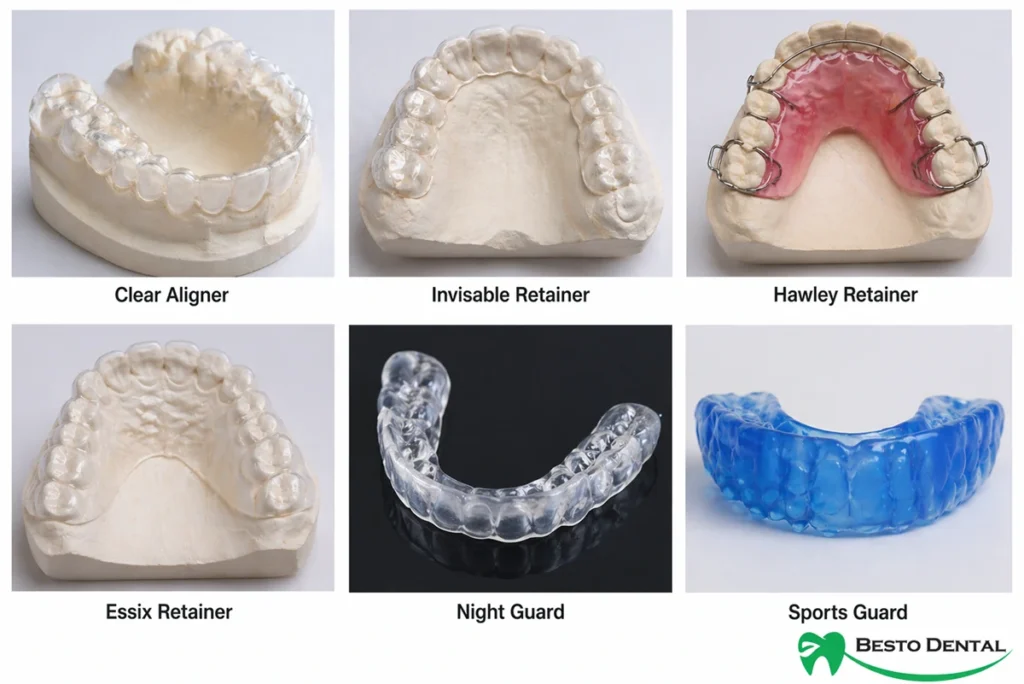
Orthodontic products often rely more heavily on model precision, design workflows, and mass production capabilities. Common products include:
- Clear Aligner
- Invisable Retainer
- Hawley Retainer
- Essix Retainer
- Night Guard
- Sports Guard
5) Design Services
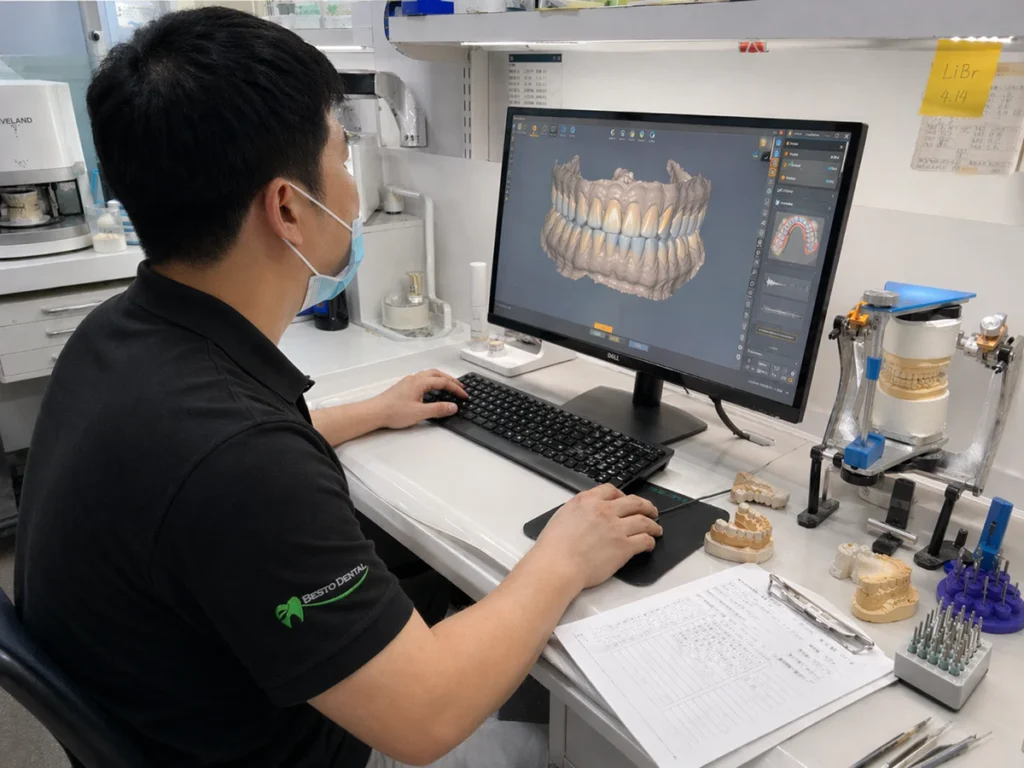
In addition to the fabrication of finished products, another very common category of service within dental outsourcing is design. This type of service typically takes place prior to formal production; if your clinic or laboratory lacks in-house digital design capabilities, or is simply short-staffed, you may opt to outsource the design phase exclusively. However, based on BestoDental’s experience, standalone design services are not particularly profitable; consequently, many Chinese dental labs are reluctant to accept such requests unless they are accompanied by substantial order volumes. Furthermore, the cost of design services is not inexpensive. The following is a list of common design services:
- Crown and Bridge Design
- Full Arch Design
- Implant Restoration Design
- Custom Abutment Design
- Removable Denture Design
- Rest Seat Design
- Orthodontic Model Design
4. Where Can You Outsource Dental Cases?
The leading tier is China. China’s comprehensive capacity for handling cross-border dental prosthetics and laboratory orders ranks among the best in the world. The reasons are clear: a mature supply chain, large-scale production capabilities, comprehensive expertise in both fixed and implant-based restorations, and the rapid adoption of digital workflows.
For cases involving more demanding requirements or complex procedures, established Chinese laboratories typically possess extensive experience in handling such challenges. Overall, China remains one of the most central destinations within the current global dental outsourcing supply chain. If you are planning to outsource to China, we’ve compiled a helpful article: Top 10 China Dental Labs. It can help you quickly identify reliable and high-quality suppliers for your dental outsourcing needs.
The second category of popular destinations includes Vietnam and India. These countries tend to focus more on handling simpler, lower-end products—a key factor being that their overall costs are typically more competitive. If you are budget-conscious and your cases involve relatively standardized procedures, you may choose Vietnam and India.
The third category comprises Thailand and Mexico. In recent years, Thailand has been mentioned with increasing frequency within the Asian market and in the context of collaborations with certain high-end laboratories. Mexico, on the other hand, is characterized primarily as a “geographically advantageous destination”; particularly for clients in the United States and Canada, it offers distinct advantages in terms of logistical proximity, turnaround times, and time-zone alignment for communication.
From the perspective of nearshore outsourcing within Europe, Eastern European nations such as Poland and the Czech Republic are also being cited with growing frequency. Due to their geographical proximity, faster shipping times, and closer alignment regarding regulatory frameworks and work culture, these countries are often regarded by European clients as highly convenient options for nearshore outsourcing.
5. Price of Dental Lab Outsourcing Services
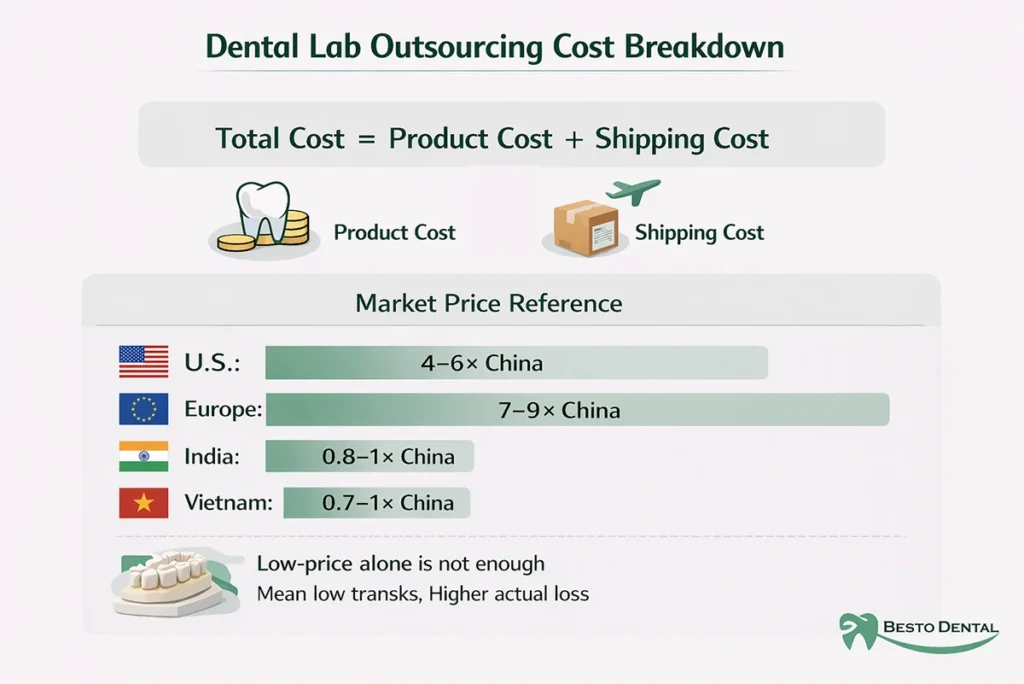
The fundamental cost structure for dental laboratory outsourcing is: Product Cost + Shipping Cost.
There is a considerable variation in the pricing of outsourced dental products among various regions; within the same region, there is also a wide difference in pricing between laboratories that emphasize quality workmanship versus mass production. I am unable to provide exact figures here due to the wide variety of outsourced products available; however, listed below are some price ranges we have gathered through our research, offered here for your reference. Using prices in China as a benchmark, the following estimates indicate the approximate cost of equivalent products in other countries:
- U.S. Prices: 4 to 6 times the cost of Chinese dentures.
- European Prices: 7 to 9 times the cost of Chinese dentures.
- India: 0.8 to 1 times the cost in China.
- Vietnam: 0.7 to 1 times the cost in China.
Within the same outsourcing market, different laboratories command different prices due to variations in quality. Take zirconia as an example: in Chinese dental laboratories, the price for low-end products can drop as low as $18, while high-end products can cost up to $50. When selecting a supplier, one must not focus solely on price. This is because if substandard quality necessitates a rework—or “remake”—the resulting increase in shipping fees and time costs will often negate the initial price advantage, potentially even leading to greater financial losses.
Of these factors, the cost of the product itself constitutes the core component of outsourcing expenses. Shipping costs, on the other hand, depend primarily on your geographic location, the shipping distance, and the specific logistics method you choose.
For instance, utilizing international express services, dedicated logistics lines, or expedited shipping options will typically result in higher costs. Conversely, you may opt for lower-cost shipping methods, such as standard postal services. Though these typically entail longer transit times and are therefore best suited for cases where the delivery deadline is not urgent. For example, one of our U.S. clients sent us physical dental impressions via USPS; it took approximately 13 days for us to receive them.
Beyond these two primary categories, actual collaboration may occasionally entail additional outsourcing-related costs. These could include extra shipping fees incurred due to reworks or remakes, surcharges for upgrading to specialized materials, or additional service fees for the communication and design work required for complex cases. Nevertheless, from a holistic perspective, the cost structure for the majority of dental outsourcing orders can still be broadly understood through the fundamental framework of “Product Cost + Shipping Cost.”
This article merely provides a general idea about dental outsourcing costs and is intended to give you a fundamental understanding of the matter. However, if you want to learn more about the price range, determining factors, and regional differences in specific dental products, please refer to our detailed articles. BestoDental has prepared a detailed product price list covering a wide range of restorations and precision applicance. If you are interested, please click “Get Price List” to contact us and receive the full catalog and pricing information.
6. How to Outsource Dental Lab Work?
In reality, the overall process for outsourcing dental cases is not particularly complex. For those new to outsourcing, the true challenge often lies not in the process itself, but rather in the uncertainty regarding what needs to be verified and prepared at each specific step. Below, BestoDental walks you through a complete outsourcing workflow, following the sequence typically encountered in actual practice.
1) Identify What Products You Want to Be Outsourced
Outsourcing begins by defining which particular product or service you wish to outsource. This determination must be made according to your unique clinical case needs.
Will your choice be for zirconia crowns, porcelain fused metal (PFM) crowns, E.max restorations, or orthodontics? You may not wish to outsource the complete manufacturing process but only the designing stage alone. Depending on the nature of the products, various lab skills, costs, timeframes, and communication preferences come into play. Knowing what products to outsource beforehand will allow you to find suitable suppliers more easily.

2) Find a Right Dental Lab Supplier
Now that the scope of outsourcing has been well-established, the next stage in the process would involve finding the right supplier.
There are plenty of ways to do this, such as searching for the right key phrases on Google, asking around among your peers, exploring websites tailored to your industry, or getting a referral through the networks of professionals you know. For beginners in outsourcing, this process will require more than just “calling a few different labs”—much more so, it will involve identifying laboratories that can meet the specific requirements of your business.
Regarding how to systematically identify suitable suppliers, BestoDental drawing upon over a decade of outsourcing experience has compiled a detailed article dedicated to this subject. This article further outlines common search channels, key screening criteria, and critical factors to consider during the process. If you would like to learn more, we invite you to read the article: How to Find the Right Dental Lab?
3) Selecting Suppliers
As soon as you have finished your research through whatever channels are applicable to your situation, there should already be some laboratories that qualify as good options. However, the next and more important step is selecting which of these laboratories would fit into a long-term collaboration with your company.
This step does not merely involve checking pricing options, you need to look at the laboratory on multiple aspects, depending on the needs of your business. Some of these criteria include pricing, efficiency in service, reliability of delivery, logistics of shipping, warranty policies, workflow, payment plans, and dealing with difficult situations.
During the actual communication process, many clients encounter a very practical challenge: how do you submit a price inquiry in a way that signals your genuine intent to establish a partnership, rather than being mistaken for a competitor merely “fishing for price quotes”? Drawing upon our own practical business experience, BestoDental has compiled a reference template for initial inquiries to assist you when reaching out to potential suppliers:
Hi, BestoDental Team,
My name is Dr. Michael Carter, the owner of a USA clinic.
We are currently looking to establish a new partnership with a reliable dental laboratory for the fabrication of dental prosthetics.
Could you please send us your updated price list for the following products:
- Zirconia crowns (monolithic and layered)
- PFM crowns
- E.max crowns
- Implant crowns (screw-retained and cemented)
- Post and Core
- Acrylic Partial Denture
- CCP (chrome cobalt partial denture)
- Full dentures
- Orthodontic appliances (if available)
Please also include the following information:
- Production time
- Shipping time to California & shipping company
- Warranty conditions
- Minimum order requirements (if any)
- We mainly work with digital files (STL), but also occasionally send traditional impressions.
We look forward to hearing from you and hope to start a long-term cooperation.
Best regards,
4) Confirm Cooperation Details
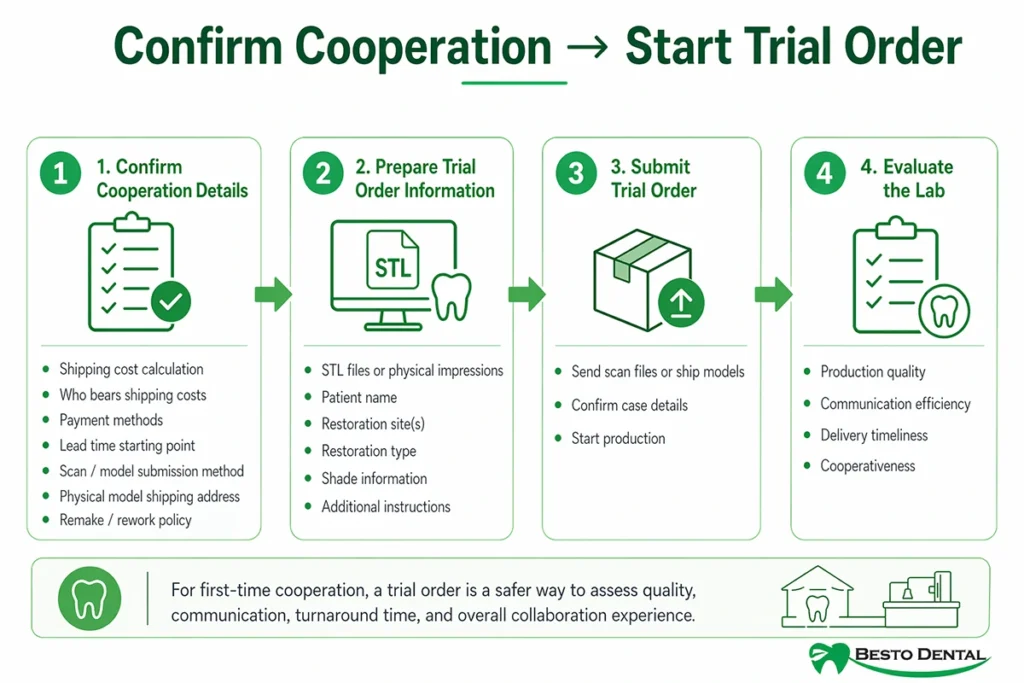
Once you’ve initially selected a partner, it’s not recommended to immediately place a formal order. Instead, you should first clarify the key details of the collaboration.
For example,
- How are shipping costs calculated?
- Which party bears the shipping costs?
- What payment methods are available?
- From which point in time is the delivery lead time calculated?
- How should intraoral scan data be submitted?
- To which address should physical models be shipped?
- And how are cases involving remakes or rework typically handled?
These concerns might appear insignificant in the context of a first-time collaboration, yet they usually play a key role in influencing future communications and cooperation. Many outsourcing collaborations fail not because the product cannot be made, but due to insufficient preparation in terms of establishing the basics.
5) Start Trial Order
Once all the above details have been clearly confirmed, you may proceed to the trial order stage.
A trial order will help you assess the true performance of your collaborator, particularly in terms of product quality, speed of communication and delivery, and the level of cooperativeness. In the case of a first-time collaboration, ordering trials might be a better idea than starting large-scale production right away.
Typically, the information required for a trial order includes:
- Intraoral Scan Data or Physical Impressions: During the trial order phase, it is recommended to export scan data as STL files, package them, and send them to the supplier. For subsequent large-volume orders, data can be transmitted directly to a connected supplier via systems such as 3Shape. You can see ” How to send” to learn more information. If shipping physical models, please confirm the recipient’s details with the supplier in advance.
- Patient Name: Used for case identification and internal administrative purposes.
- Restoration Site(s): Clearly specify which specific teeth require restoration.
- Restoration Type: For example: PFM crown for #9; Zirconia bridge for #10 and #11.
- Information about the shade: Usually, the desired shade is indicated according to the Vita Shade Guide.
- Other instructions: It is helpful for the laboratory to be aware of any technical specifications, aesthetic considerations, and special instructions for the particular case prior to starting work, which will help them understand your requests and avoid possible mistakes in the future.
6) Evaluate Trial Orders
Once the trial order is complete, the laboratory will ship the finished product back to your clinic or lab for final try-in and clinical evaluation. It is important because it will show whether working with this vendor is going to be a viable option for you in the long run.
While performing this analysis, it would be wrong to draw conclusions based on one observation alone – in general, the following criteria have to be considered, among others:
- Functionality: Whether the product fits correctly, articulates properly, and establishes appropriate proximal contacts directly reflects the technical proficiency of the laboratory’s technicians.
- Aesthetics: The visual appeal of the finished dental restoration—specifically, how natural and aesthetically pleasing it looks—also serves as a clear indicator of the technician’s skill level.
- Communication Efficiency: Effective communication can significantly boost the efficiency of outsourcing workflows. The competence of the customer service team determines whether your interactions are smooth, pleasant, and free from order-related issues caused by communication breakdowns.
- Turnaround Time: A large laboratory is not necessarily superior simply by virtue of its size; when selecting a vendor, reliability should be the primary criterion. Even a small to medium-sized laboratory, provided it maintains high quality standards, may be able to prioritize your orders—thereby resulting in shorter turnaround times.
- Packaging Quality:Paying attention to the details of how a vendor packages its products can reveal whether the company’s internal management is disorganized. Poor packaging increases the risk of damage to the dental prosthetics during transit.
- Rework and Resolution Procedures: The true reliability of a vendor is not measured during smooth operations, but rather when problems arise—specifically, whether they take proactive responsibility for the issue. Their position with regards to refunds, making adjustments to the product and similar actions.
A vendor with good quality standards, prompt communication and delivery, and clearly defined policies concerning after-sales service is much more likely to become your outsourcing partner.
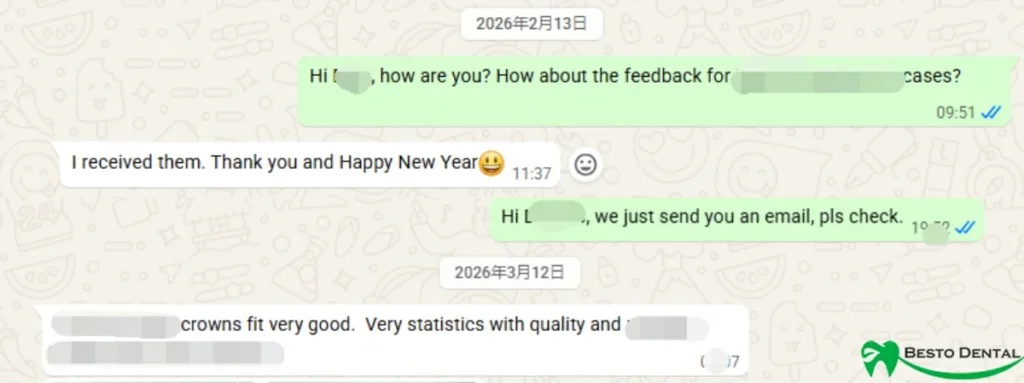
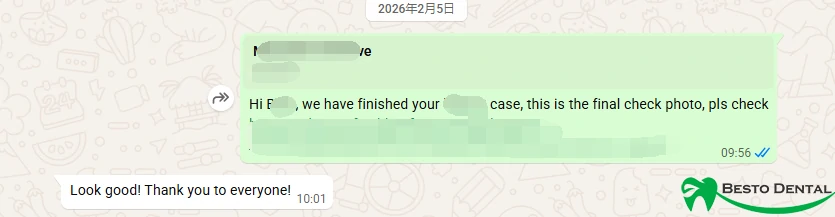
The following is positive feedback we received from a client after a trial order:
7. How to Ensure the Quality of Outsourced Cases?
Selection outweighs sheer effort; if you wish to maintain strict quality control, the most critical—and hassle-free—approach is to partner with a dental laboratory that offers consistent quality and professional reliability. Do not place excessive emphasis on price; should a remake become necessary, the few dollars saved upfront will be utterly insufficient to cover the subsequent costs—and, worse yet, you risk damaging your professional credibility in the eyes of your patients.
While the ultimate quality of the product is determined by the laboratory, we—as clients—can still take proactive measures in various areas to screen potential partners and implement quality controls, thereby significantly reducing the likelihood of rework.
1) Review Case Studies
Each dental lab has some kind of casebook containing examples of previous jobs done – before you start working with this vendor, you can ask them to share a few samples from their collection, and study their quality.
The following are some past case references from BestoDental. Of course, we have compiled a dedicated case library; if you would like to view more of our actual case studies, please feel free to contact our customer service team.
Full Contour Zirconia Crown Study Case:
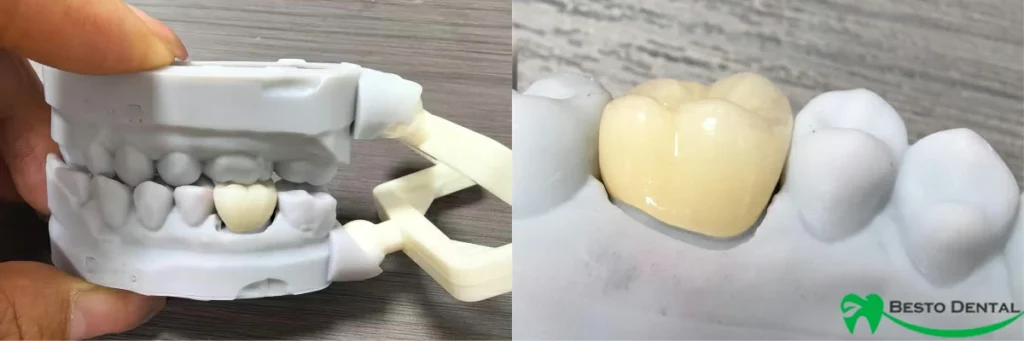
Layered Zirconia Crown Study Case:
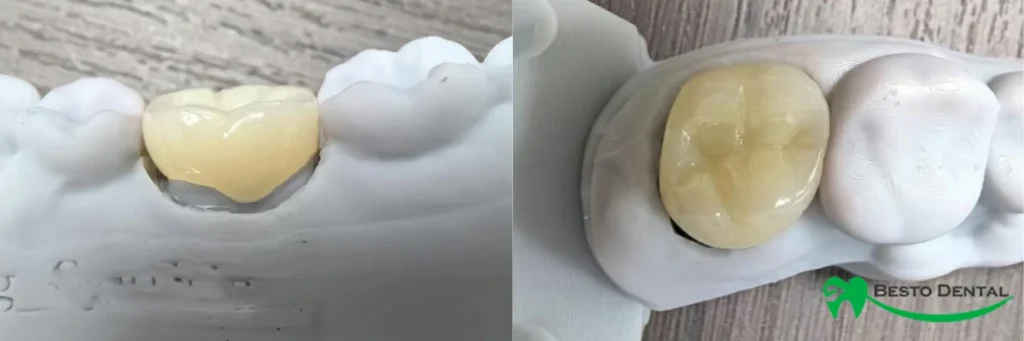
E.max Crown Study Case:
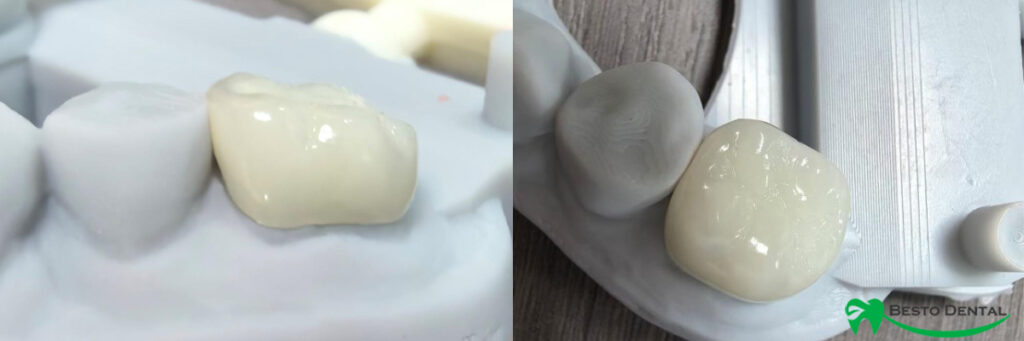
PFM Crown Study Case:
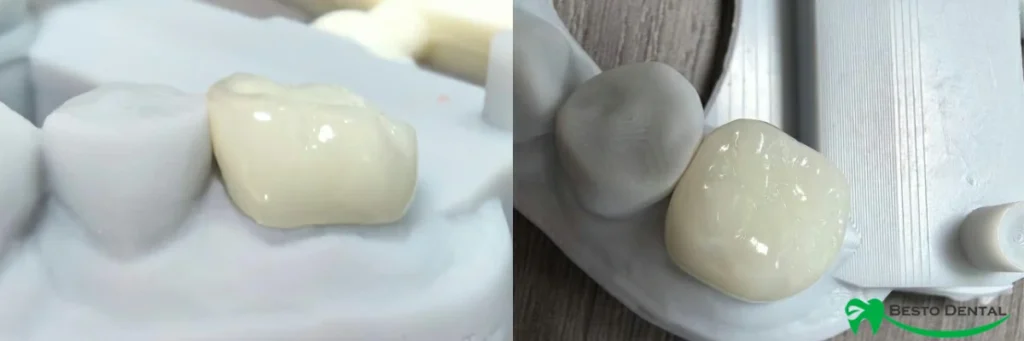
Implant Restorations Study Case:
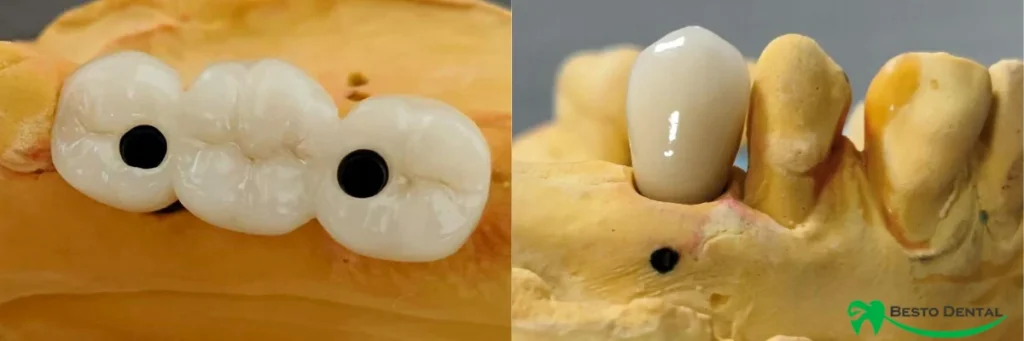
E.max Veneer Study Case:
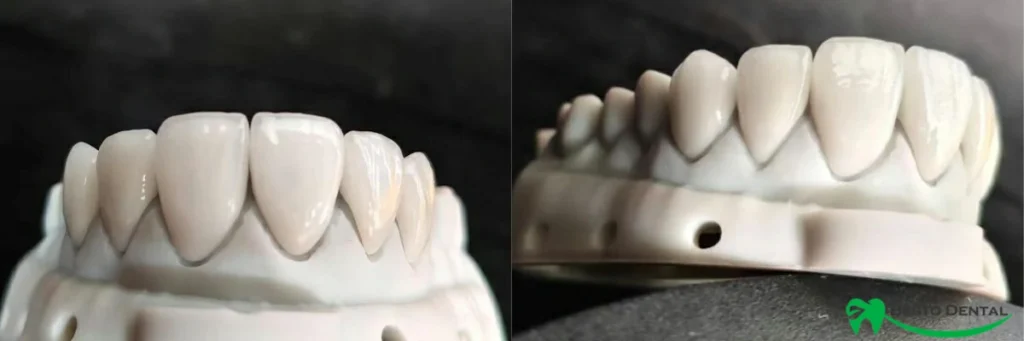
2) Place a Trial Order
A trial order serves to evaluate not only the quality of the product itself but also the quality of the entire service process. It requires an experienced team to ensure that products are of stable quality. The quality of services provided and the overall organization of the outsourcing process can be assessed through analyzing how the customer service interacts with sales departments.
If, throughout the entire collaboration process, you feel that your partner acts as a reliable and effective assistant, with every stage meticulously arranged. Then the quality of their service is satisfactory. Secondly, you should evaluate the quality of the actual products produced during the trial order, conducting a comprehensive assessment based on both functionality and aesthetics.
3) Oversee the Quality Inspection Process
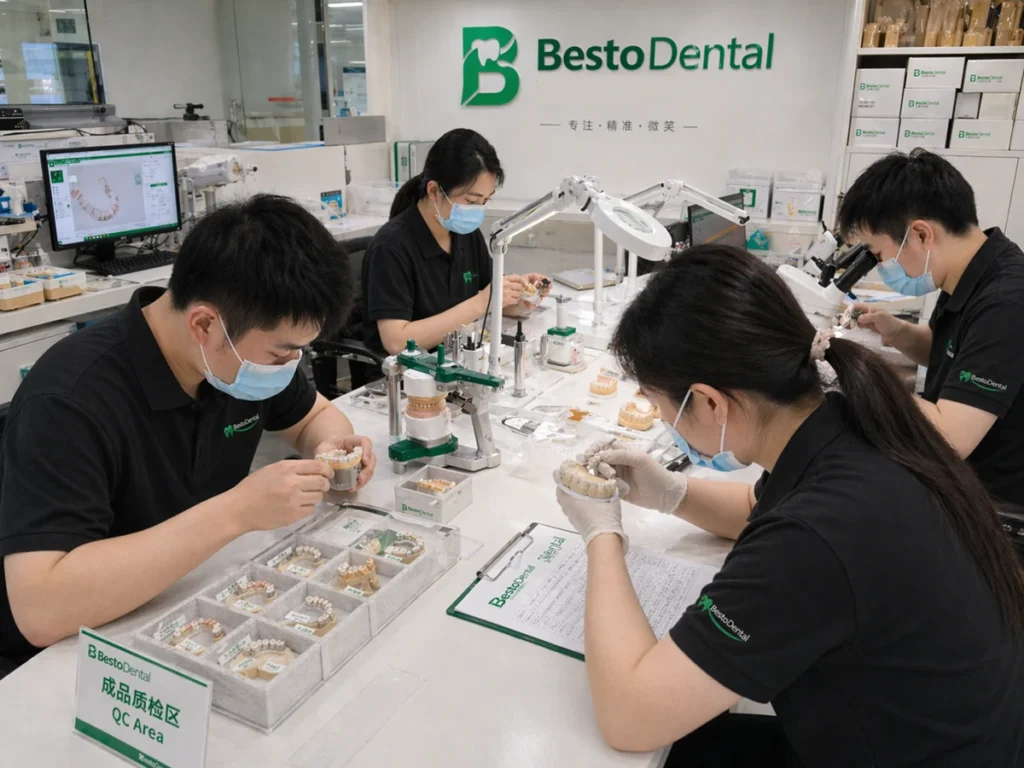
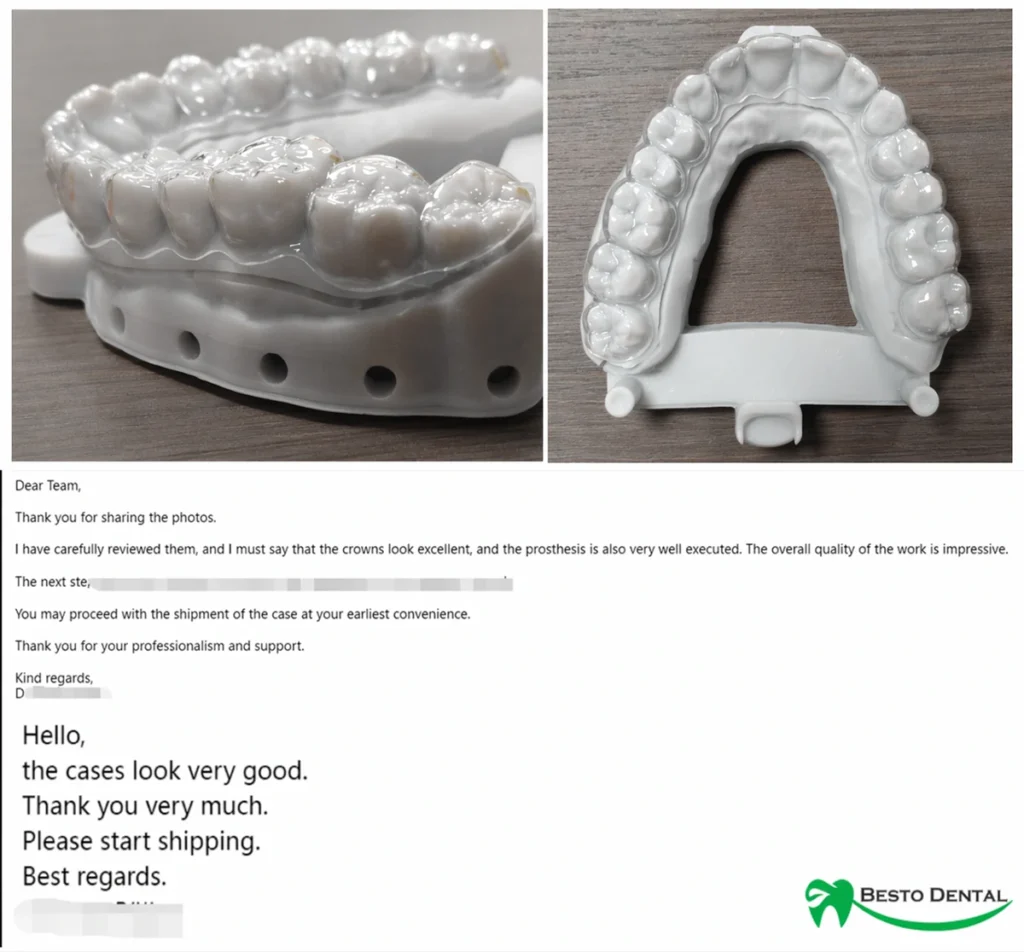
Upon the completion of production, BestoDental captures quality inspection photographs for every case and sends them to the client for a preliminary review prior to shipment. This practice helps prevent obvious errors, such as fabricating the wrong case entirely, and allows for the detection of any aesthetic flaws, such as surface spots or cracks. Although this adds a small amount of time to the review phase, it significantly reduces the risk of requiring a costly remake.
Our clients greatly appreciate this operational procedure; when outsourcing your work, we recommend that you request your suppliers to implement this same process. However, even though many laboratories might be resistant to the idea, considering the number of cases they handle and possible inconvenience caused by your demands, there will be nothing else they could do if you make it a requirement. In essence, you will be adding an additional layer of security to your projects.
Below are some examples of quality inspection photos sent by BestoDental to clients, along with positive feedback from those clients:
4) Warranty
Coverage under warranty is one of the most critical factors that will help you estimate the quality of the prosthesis you purchase. You can determine whether a dental lab offers high-quality products based on their warranty terms.
As you know, dental products are made-to-order goods, and in case of any problems, for example, damage, improper fitting, or other issues related to materials, the terms of the supplier’s warranty will affect your expenses on follow-up services and communication. Here, BestoDental provides you with average warranty periods for some common dental products at different outsourcing locations.
| Types | China | India | Vietnam | Thailand | Mexico |
|---|---|---|---|---|---|
| Fixed Restorations | 3–5 years | 5–10 years | 30 days–5 years | 1–2 years | 2–5 years |
| Removable Restorations | 1 year | Public information is fragmented; no stable common range found | 30 days–5 years | 2–3 years | Public information is fragmented; often included under broader prosthetic warranty |
| Implant Restorations | 5 years | 5–10 years; implant fixture warranties commonly range from 10 years to lifetime | 30 days–5 years; some clinics publicly offer 10 years or more | Prosthetics: 2 years / Fixture: 5 years | 5–10 years |
| Orthodontic Products | 6–12 months to 1 year | Public information is limited; often handled case by case | Public information is limited; some labs include them under broader warranty or adjustment policy | Public information is limited | Around 2 years |
8. Dental Lab Outsourcing FAQs
Below, we have listed some frequently asked questions regarding dental lab outsourcing, along with their answers.
1) How to Integrate Outsourcing into Your Digital Workflow
If you have already introduced digital equipment in your clinic or laboratory, sending large-size digital scans directly to the lab will be much easier and safer than sending physical models. The best labs provide their customers with an opportunity to upload data to a special online portal where they can observe how restoration proceeds in real time and communicate with specialists.
2) Is Outsourcing Suitable for Smaller or Newer Dental Clinics?
Absolutely. The use of outsourcing dental laboratories will change the functioning of your practice entirely. By using outsourcing, you can acquire state-of-the-art equipment and trained personnel without the need to spend substantial money on this process.
This will allow you to provide the same advanced restoration services as other clinics without increasing your costs and ensuring greater flexibility in terms of business operations.
3) How Should I Handle Issues Regarding Remakes or Adjustments When Working with an Outsourced Lab?
Here, prevention plays a crucial role. It is essential to establish all the terms of cooperation related to the remake procedures when selecting potential vendors. In this way, you will be able to solve any arising issues effortlessly.
4) Should I Tell My Patients That My Lab Work Is Outsourced?
This largely depends on your ability to communicate effectively, but, in general, it is not required. Your patients believe that you will be able to choose a specialist capable of creating an ideal restoration. This is the task you should focus on instead.
5) How Can I Ensure the Security of Digital Scans and Patient Data When Sending Them to a Lab?
Data security is a valid and critical concern. Reputable laboratories, such as BestoDental, utilize secure, compliant online platforms for all case submissions and communications, and require all employees to maintain the confidentiality of patient case information. This method is typically far more secure than shipping paper records or physical models. In the near future, we also plan to launch our own dedicated platform specifically for client data transmission.
6) Why Do Some Labs Seem to Be Much Cheaper Than Others?
Price discrepancies can stem from a variety of factors, including the scope of product offerings, material choices, design support, implant components, shipping terms, remake policies, and the overall volume of services included within the workflow. At first glance, a lower-priced solution may seem appealing; however, if communication is poor or the rate of rework is high, it could end up costing more in the long run. Therefore, when evaluating a laboratory, do not focus solely on the price.
9. Conclusion
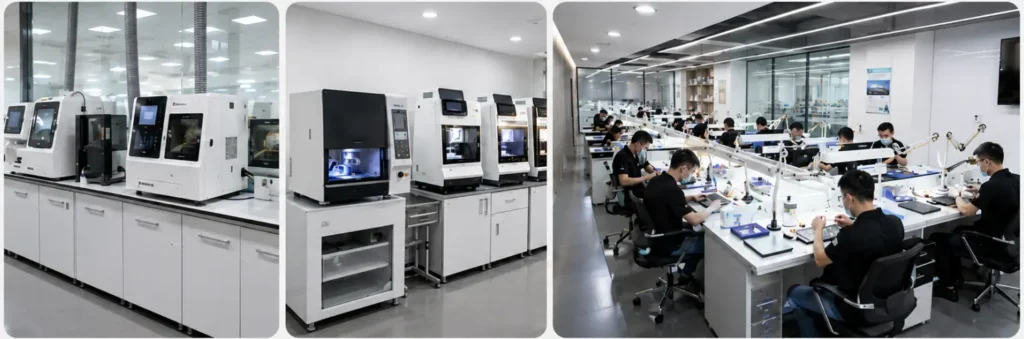
Modern dental lab outsourcing services are no longer merely a means to alleviate production pressure; they have evolved into a truly viable avenue for collaboration. As a service-oriented dental lab committed to process transparency, BestoDental provides you with complete openness regarding where your restorations are fabricated, the materials utilized, and the quality control protocols employed. Furthermore, we have established a comprehensive remake policy to stand fully accountable for all our work, ensuring that you have a truly trustworthy partner by your side.