|
|
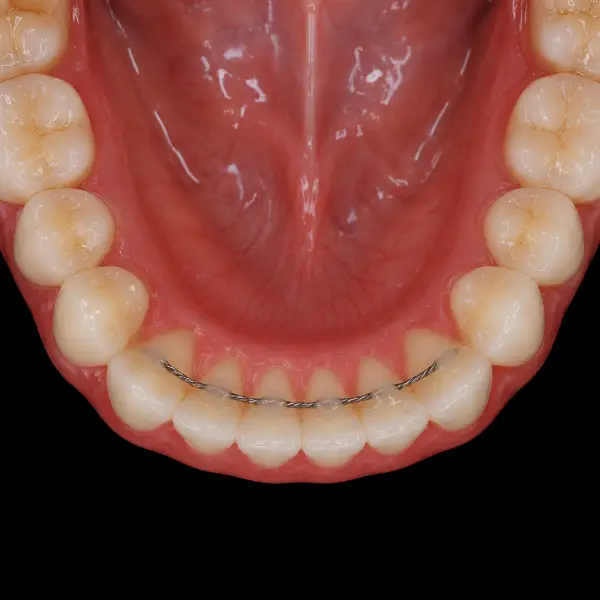
Standard Lingual Wire RetainerBestoDental Standard Lingual Wire Retainer is built to stay out of sight and holds teeth firmly after braces. Most dentists choose it because it works quietly behind the scenes. Though small, it plays a big role in keeping results locked in place. Hidden along the back of front teeth, it avoids attention while doing its job. Stability comes without drawing eyes – just steady support where needed.
|
|
|
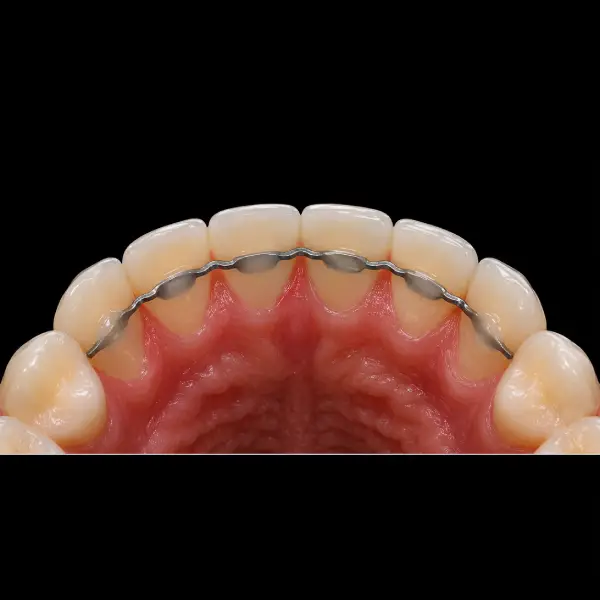
Upper Lingual RetainerOur Upper Lingual Retainer is hidden behind your top front teeth and sticks to the inner side where it holds straightened positions without showing. A steady guard up there works quietly through speaking, eating, smiling – no one notices. Placed precisely at the back of those teeth, its job stays clear: keep things aligned after care wraps up. Stays put, does its role, blends into normal life.
|
|
|
Lower Lingual RetainerOur Lower Lingual Retainer is stuck behind the bottom front teeth and holds shifts in place long term. Not a quick fix – this one stays put, fighting drift right where trouble usually starts. Shape locked. Movement blocked. The lower jaw gets quiet support, day after day.
|
|
|
CAD/CAM Lingual RetainerOur CAD/CAM Lingual Retainer is shaped by digital precision from start to finish, tailoring it closely to the back of teeth. This close match boosts reliability in placement while making bonding steps smoother chairside. Each unit follows exact virtual models, reducing guesswork during application.
|
|
|
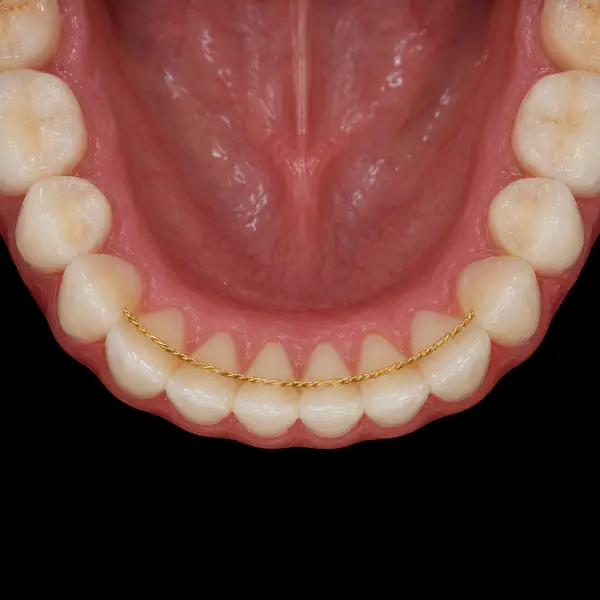
Gold Lingual RetainerBestoDental Gold Lingual Retainer starts strong with a smooth finish and uses wire made of gold alloy. This material plays well with body tissues, avoiding irritation over time. Instead of rusting when wet, it holds up against moisture day after day. For people who’ve had braces, it keeps teeth in place without moving. Holding things steady is its main job, working quietly behind the scenes.
|
Lingual Wire Retainer
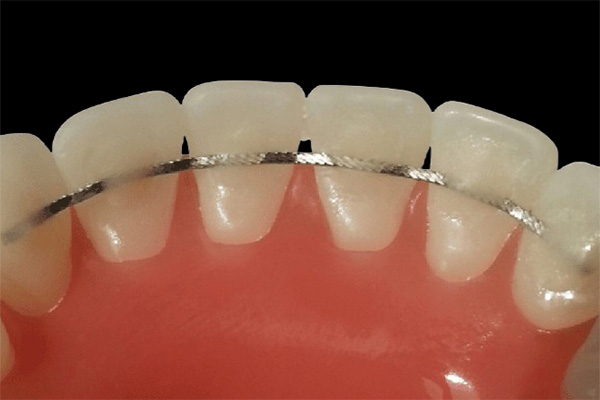
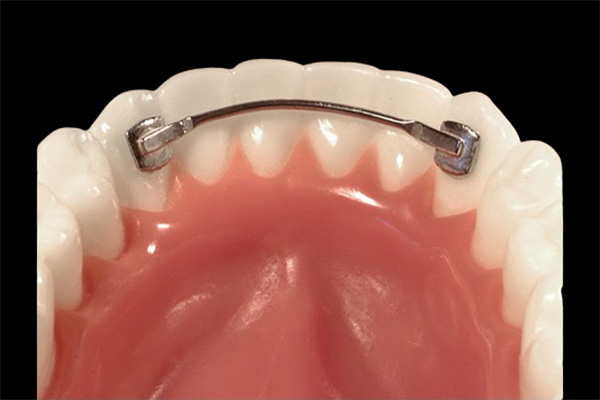
Lingual Wire Retainer
Bestodental’s lingual wire retainer is crafted from fine, flexible orthodontic wire to provide long-term retention with maximum patient comfort and minimal visual impact.
- Securely bonded for a firm fit—difficult to dislodge during daily use.
- Discreetly placed behind the teeth, remaining virtually invisible.
- Ultra-soft, ultra-thin material creates a comfortable, non-intrusive wear experience.
- Effectively maintains tooth position and prevents post-treatment relapse.
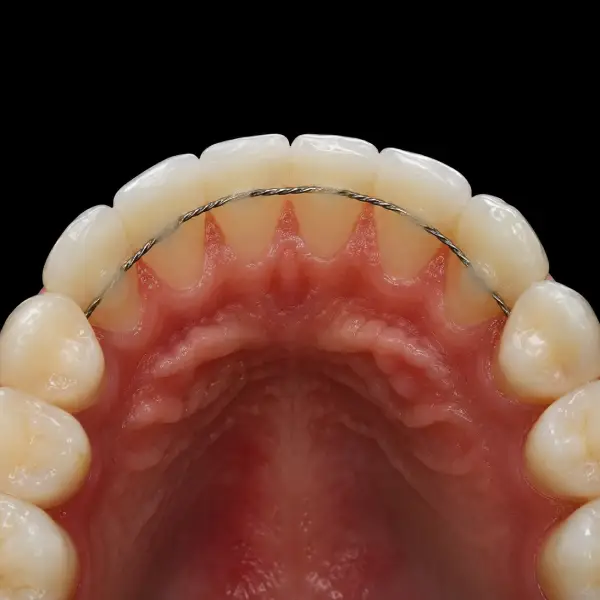
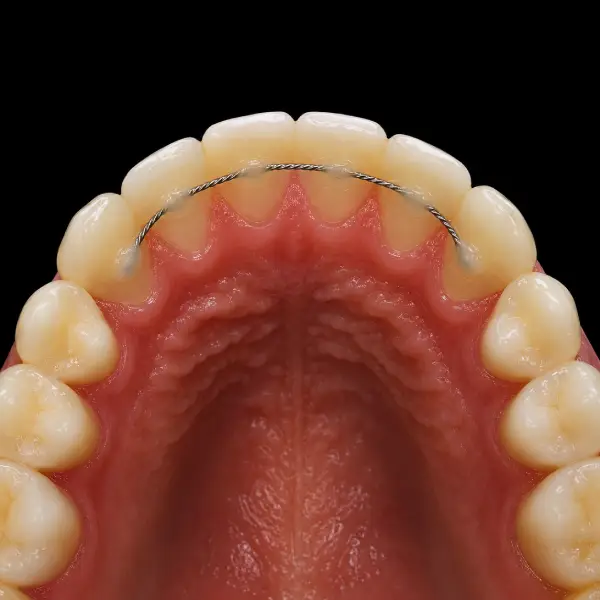
Clinical & Technical Information
Hidden behind the front teeth, a Lingual Wire Retainer stays put without needing daily effort to wear it. Though out of sight when smiling, its job starts right after braces come off. Not relying on routines, this thin wire holds positions steady over time. Some call it a safeguard, others just part of the finish line in straightening work. Firmly stuck to the tongue-side surface, it resists shifting quietly. Used up top or down below, it adapts where needed most. Stability matters long after treatment ends – this helps keep results intact.
1. Indications
Our Lingual Wire Retainer systems are Suitable For:
- Post-orthodontic retention following fixed braces or clear aligner treatment
- Long-term prevention of orthodontic relapse
- Stabilization of lower anterior teeth, which are highly prone to relapse
- Maintenance of upper anterior alignment after orthodontic correction
- Patients requiring continuous retention without relying on compliance
- Cases involving previously rotated or severely displaced anterior teeth
- Patients with spacing closure requiring long-term maintenance
- Digitally planned orthodontic cases requiring precision-fabricated retainers
- Patients seeking highly esthetic fixed retention solutions
2. Technical Specifications
| Technical Parameter | Specification |
| Product Category | Fixed Orthodontic Retention Appliance |
| Product Variants | Standard Lingual Wire Retainer / Upper Lingual Retainer / Lower Lingual Retainer / CAD/CAM Lingual Retainer / Gold Lingual Retainer |
| Material Type | Stainless steel orthodontic wire, CAD/CAM metal alloy, or gold alloy wire depending on design |
| Retention Type | Fixed bonded lingual retainer |
| Placement Location | Bonded to lingual surfaces of anterior teeth |
| Coverage Options | Upper 2-2, Upper 3-3, Lower 3-3, or customized configurations |
| Manufacturing Method | Manual wire fabrication or CAD/CAM digital production |
| Retention Mechanism | Direct composite bonding to individual teeth for continuous stabilization |
| Digital Workflow Compatibility | Compatible with STL files, intraoral scans, Exocad, and 3Shape workflows |
| CAD/CAM Option | Digitally designed and manufactured retainers for enhanced adaptation and consistency |
| Biocompatibility | High; premium biocompatibility available with gold alloy option |
| Corrosion Resistance | Excellent resistance to oral environmental conditions |
| Visibility | Virtually invisible from the facial aspect |
| Patient Compliance Requirement | None after bonding due to fixed design |
| Stability | Provides continuous long-term stabilization of anterior tooth positions |
| Repairability | Bond repairs and rebonding procedures can be performed chairside if required |
| Oral Hygiene Consideration | Requires proper flossing and hygiene maintenance around bonded wire |
| Clinical Application | Post-orthodontic retention, relapse prevention, and long-term tooth position maintenance |
| Case Turnaround Time | 2–5 working days depending on material selection and fabrication method |
3. Aesthetics
Here are the aesthetics for our Lingual Wire Retainer systems:
1) Virtually Invisible Retention Design
Bonded on the lingual surfaces of the teeth, the retainer remains hidden from normal facial view during speaking and smiling.
2) Natural Smile Preservation
The appliance maintains orthodontic results without altering the natural appearance of the dentition.
3) Discreet Long-Term Stabilization
Provides continuous retention while avoiding the visibility commonly associated with removable retention appliances.
4) Precision-Fit Esthetic Integration
CAD/CAM and customized wire designs ensure close adaptation to tooth anatomy for a refined and unobtrusive appearance.
Order FAQs
1. Information Needed for Lingual Wire Retainer Submission?
Start by sharing the patient’s full name along with which dental arch is involved. Include digital STL files after treatment – or physical molds when scans aren’t ready. Add bite registration details whenever they exist; these help guide alignment. Mention exactly what kind of retainer works best plus how far it should cover on each side.
2. Got digital scans?
We can work with those. Compatibility depends on your setup – some systems link up fine, others need tweaks. Check what tools you’re using. Matching them matters.
3. Typical Turnaround Time for Lingual Wire Retainers?
Most orders wrap up in about two to four workdays once the design gets signed off. Custom jobs using CAD or CAM tech? Those tend to stretch out a bit past that mark.
4. What types of cases are suitable for lingual wire retainers?
After braces, these work well to hold front teeth in place. One reason they help is by reducing shifts over time. Their design supports stability when lasting results matter most.
5. What materials are used in lingual wire retainers?
Stainless steel wires often hold teeth in place after braces. Meanwhile, tiny woven cables offer another option for keeping alignment stable. On the flip side, some patients get a mix of resins applied directly to the back of their teeth. These bonded solutions stay put without moving around.
6. How do you ensure accurate fit of the retainer?
Exact fit comes from careful digital planning or hand-shaped wires using the dental arch details given. How well it matches depends on either computer-guided shaping or adjustments made by hand to follow the jaw outline supplied.
7. Can lingual wire retainers be customized for complex alignment?
True – retainers shaped by computer design fit better when front teeth aren’t evenly aligned.
8. What is the difference between single-strand and multi-strand retainers?
One strand makes the retainer stiffer. When strands multiply, movement becomes easier, fitting feels softer.
9. Can lingual wire retainers be used for long-term retention?
True. When the risk of falling back is strong, sturdier setups tend to last longer under pressure.
10. What records are recommended for best fabrication results?
Start by sharing precise scans after treatment – or detailed impressions – along with notes on how teeth should sit and what kind of hold matters most. Each detail helps shape the outcome in a quiet but meaningful way.