|
|
Standard Hawley RetainerBestoDental Standard Hawley Retainer shows up most often in dental offices because it holds its shape well over time. Its design allows small changes when needed, so dentists tweak the fit without hassle. Because it lasts, patients keep using it months or even years later. Tough wires across the front connect to acrylic that sits behind teeth, making sure everything stays put. Even though other options exist, this one sticks around simply by working as expected.
|
|
|
Wraparound Hawley RetainerOur Wraparound Hawley Retainer slips neatly behind biting surfaces without disrupting how upper and lower teeth meet. It holds position well yet stays clear of chewing contact. The full curve adapts smoothly along the dental arch. Stability remains high even with minimal touchpoints near the palate. Each bend follows natural tooth alignment closely.
|
|
|
Hawley Retainer with PonticBestoDental Hawley Retainer With Pontic fills gaps where teeth are missing. This version holds realigned teeth in place at the same time it covers empty spots for better looks. Instead of separate pieces, one device manages both tasks – keeping alignment stable while improving appearance during temporary phases. The pontic blends in without drawing attention. Function comes first, yet cosmetic benefit still matters here.
|
|
|
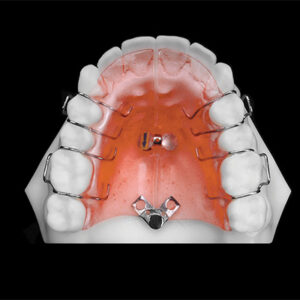
Hawley Retainer with Expansion ScrewOur Hawley Retainer With Expansion Screw gently widens the dental arch when needed. This version holds teeth firmly after braces come off. It can preserve earlier widening work if required. The retainer adapts slightly over time thanks to its built-in adjustability. Structure stays strong even with ongoing small changes. Placement follows standard fit patterns but allows room for controlled movement. Each piece supports stability without restricting necessary shifts.
|
|
|
Spring Hawley RetainerBestoDental Spring Hawley Retainer can shift teeth slightly when needed. While adjusting position, it also holds remaining alignment steady. Because of this dual role, it works well where only slight shifting has occurred after treatment. Relapse stays controlled without major intervention.
|
|
|
Custom Color Acrylic Hawley RetainerOur Custom Color Acrylic Hawley Retainer swaps dull tones for shades picked by the wearer. Performance stays solid, no surprises there. Instead of blending in, though, it stands out with a personal touch in color. Some might say it turns routine into something worth showing off. Not every detail needs to be hidden behind teeth. Choice matters, even in small things that sit inside the mouth. It works as intended, only now it feels less like gear, more like expression.
|
Hawley Retainer
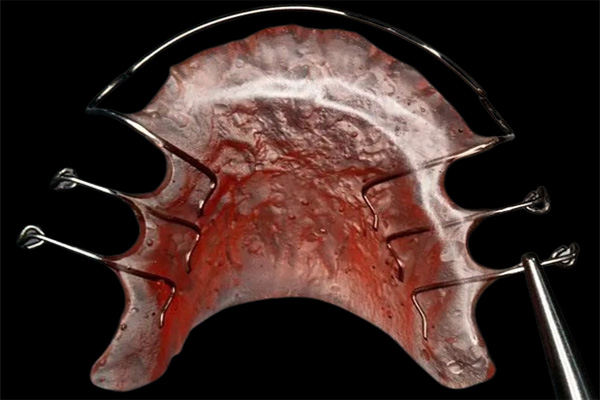
Hawley Retainer
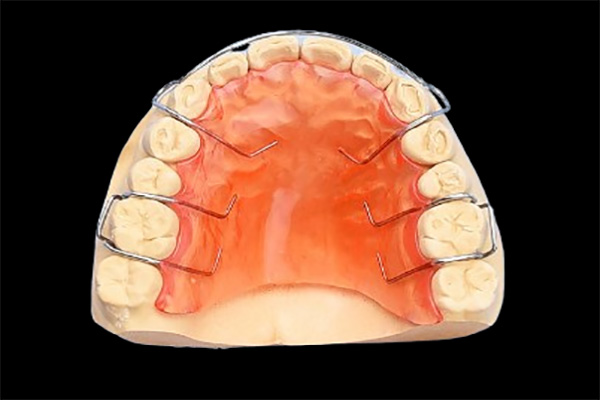
Bestodental‘s Hawley Retainer is constructed from durable metal wire and durable acrylic, gripping teeth securely in their ideal post-treatment alignment with precision and reliability.
- The removable model is easy to clean and wear on different occasions during the day.
- Constructed with premium materials for extended durability and long service life.
- Fully customizable based on each patient’s oral anatomy for a precise and comfortable fit.
- Cost-effective and widely regarded as one of the most economical orthodontic retention solutions.
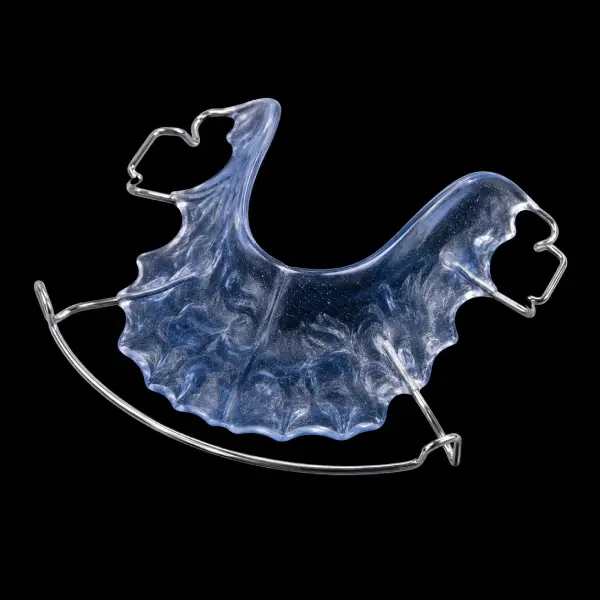
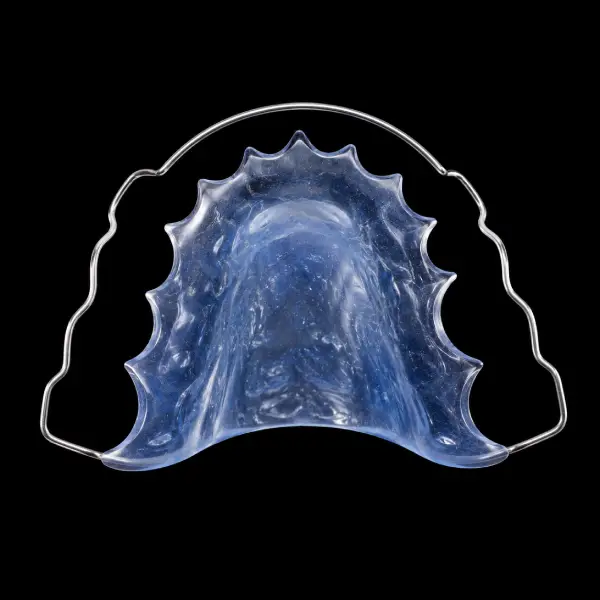
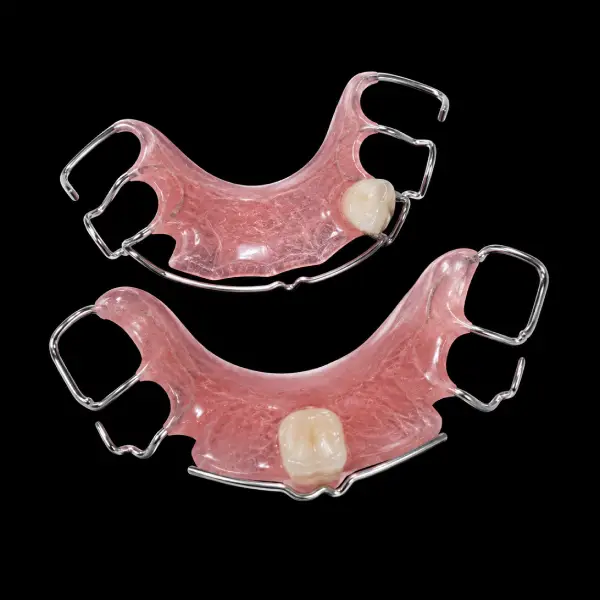
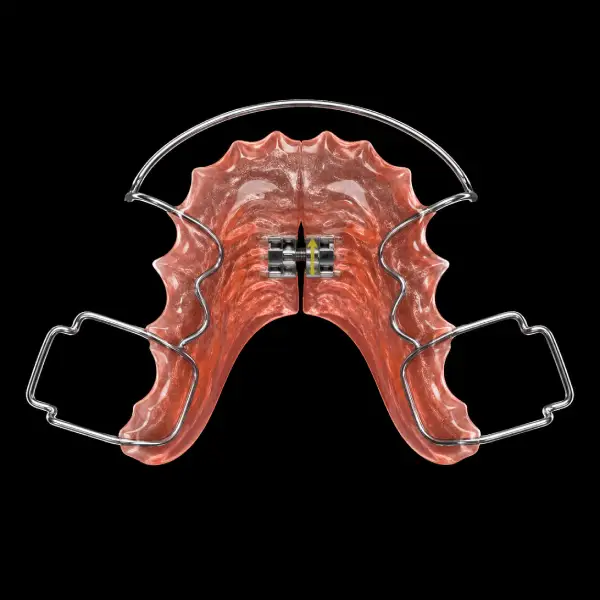
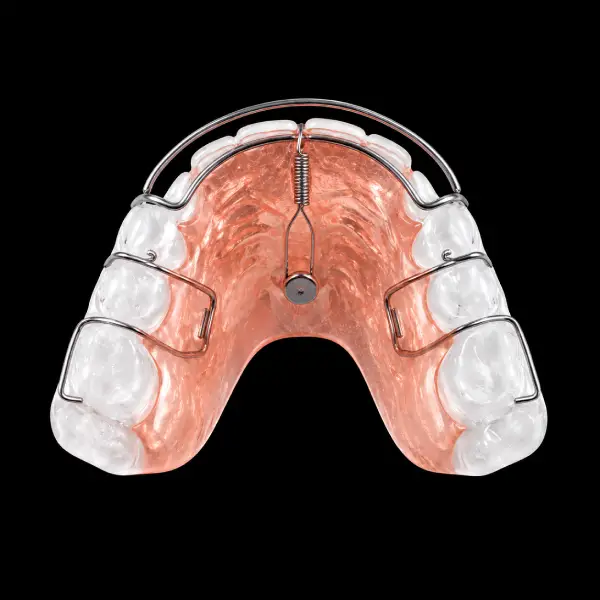
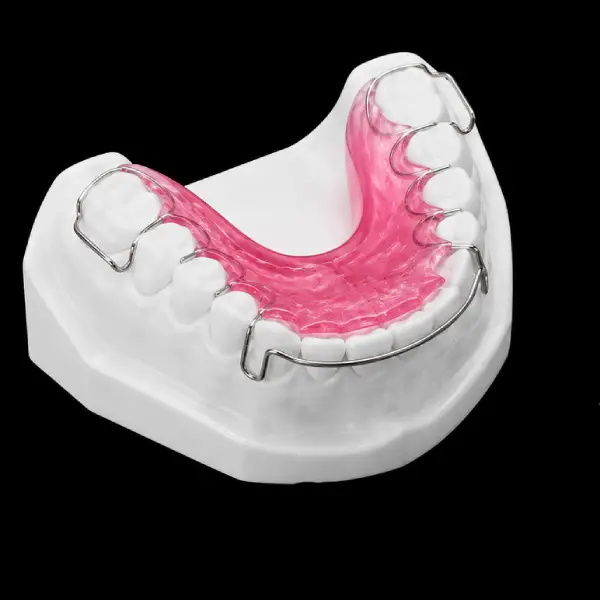
Clinical & Technical Information
After braces come off, teeth need help staying in place. That is where a Hawley Retainer steps in. This device slips in and out of the mouth without trouble. A molded plastic piece fits along the roof of the mouth or below the lower front teeth. Thin metal wires run across the fronts of the teeth to hold them still. Made from tough materials, it resists wear over time. Adjustments can happen when small shifts occur. Dentists rely on these retainers because they last years under normal use. Some people use them to close tiny gaps left behind after treatment ends. Others keep wearing them months or even years later just to stay safe. They serve well in keeping smiles steady once straightening finishes. Even changes in bite patterns get managed quietly by this design.
1. Indications
Our Hawley Retainer systems are Suitable For:
- Post-orthodontic retention following fixed braces or clear aligner treatment
- Maintenance of corrected tooth alignment and prevention of relapse
- Long-term stabilization of orthodontic treatment results
- Cases requiring removable retention with adjustable wire components
- Patients requiring temporary tooth replacement during retention phase
- Retention following palatal expansion or arch development treatment
- Mild arch width maintenance or minor expansion requirements
- Minor relapse correction and limited tooth movement management
- Pediatric and adolescent patients requiring customized retention appliances
2. Technical Specifications
| Technical Parameter | Specification |
| Product Category | Removable Orthodontic Retention Appliance |
| Product Variants | Standard Hawley Retainer / Wraparound Hawley Retainer / Hawley Retainer with Pontic / Hawley Retainer with Expansion Screw / Spring Hawley Retainer / Custom Color Acrylic Hawley Retainer |
| Material Type | Orthodontic acrylic base plate with stainless steel wire components |
| Primary Components | Acrylic base plate, labial bow, Adams clasps, and optional springs, pontics, or expansion screws |
| Retention Type | Removable orthodontic retainer |
| Retention Mechanism | Mechanical retention through clasps and labial bow adaptation |
| Design Options | Standard, wraparound, pontic replacement, expansion screw, spring-assisted, and custom-color configurations |
| Wraparound Design | Continuous circumferential labial bow for reduced occlusal interference |
| Pontic Option | Integrated acrylic tooth for temporary esthetic tooth replacement and space maintenance |
| Expansion Screw Option | Adjustable midline screw for minor arch development or expansion maintenance |
| Spring Mechanism Option | Active springs for limited tooth movement and minor relapse correction |
| Customization Options | Multiple acrylic colors and personalized design selections available |
| Adjustment Capability | Chairside adjustment of wire components and retention force possible |
| Patient Compliance Requirement | Requires prescribed daily wear according to orthodontist instructions |
| Digital Workflow Compatibility | Compatible with conventional impressions and digital intraoral scans |
| Durability | High durability with repairable acrylic and wire components |
| Oral Hygiene | Removable design allows easy cleaning and maintenance |
| Repairability | Acrylic and wire components can often be repaired or adjusted in the laboratory |
| Clinical Application | Retention, relapse prevention, space maintenance, minor tooth movement, and post-expansion stabilization |
| Case Turnaround Time | 3–6 working days depending on design complexity and customization requirements |
3. Aesthetics
Here are the aesthetics for our Hawley Retainer systems:
1) Customizable Acrylic Appearance
Available in multiple acrylic color options, allowing personalized appliance designs that improve patient acceptance and satisfaction.
2) Natural Tooth Visibility
The open anterior design allows most of the natural dentition to remain visible during wear.
3) Integrated Esthetic Pontic Option
Pontic-retainer designs temporarily restore the appearance of missing teeth while maintaining orthodontic retention and space preservation.
4) Functional and Durable Orthodontic Design
Combines proven retention performance with a lightweight, customizable structure suitable for long-term orthodontic maintenance.
Order FAQs
1. What information is required to submit a Hawley Retainer case?
Start off by sharing the patient’s full name. Upper jaw scans come next – include lower ones too. When possible, toss in how the teeth meet after treatment. Say exactly where braces should sit. Mention wire shape details along the way.
2. Got digital scans?
We can work with those. Compatibility depends on your setup – some machines fit right in, others need tweaks. Check what gear you’re running first.
3. Typical Turnaround Time for Hawley Retainers?
Most orders wrap up in about two to four workdays once the design gets signed off. When it comes to active treatments or those using CAD/CAM tech, expect a bit more time on the bench.
4. What types of cases are suitable for Hawley retainers?
After braces, these work well when teeth need light holding. Where small shifts must be managed, they offer control. If changes might happen later, removal helps. Adjustments fit situations where flexibility matters most.
5. What materials are used in Hawley retainers?
Most often, the base part uses acrylic resin while stainless steel wire shapes the clasps along with the front bar. A typical mix involves acrylic forming the foundation whereas metal wires craft the gripping parts plus the facial support piece.
6. Can Hawley retainers be adjusted after delivery?
Of course. Tweaking the wires a bit during treatment helps control how teeth sit – plus it improves grip when needed.
7. What is the difference between standard and modified Hawley retainers?
Most Hawley retainers stick to an older blueprint. Yet some get adjusted just right so they sit better on your teeth. Their shape changes slightly to match how your mouth is built.
8. Can Hawley retainers be used for minor tooth movement?
True – these Hawley retainers, when fitted with expansion screws, might help guide slight tooth shifts if a dentist is watching closely. Movement happens slowly, yet works best when checked often. Screws allow tiny changes over time, though big fixes need different tools. Each case moves at its own pace, depending on how teeth respond. Supervision keeps things safe, steering each shift just right.
9. How do you ensure fit accuracy of Hawley retainers?
Starting off, fit precision comes from careful digital planning when working with scan details plus guidance on how things should go clinically. A close match happens because models built from scans follow exact directions given by the clinician. Accuracy shows up best once designs shaped by data meet real-world needs just right.
10. What records are recommended for best fabrication results?
Start off by sharing precise scans after treatment, maybe even impressions. Wire shape details matter, so spell those out clearly. Goals for keeping teeth in place should come through without confusion. What matters most? Clear direction on what happens next steps look like.