|
|
Conventional Composite VeneersBestoDental conventional composite veneers is a set of direct veneers for the anterior teeth that is tooth-colored. The composite material can be used to achieve customised shade, contour and surface anatomy, as well as provide a conservative aesthetic treatment option.
|
|
|
Minimal-Prep Composite VeneersMinimal Prep Composite Veneers are for those aesthetic cases with an anterior tooth preparation where little preparation is suitable. The composite veneer can be designed to enhance the shape, size and colour of the tooth and can be prepared conservatively.
|
|
|
No-Prep Composite VeneersThe BestoDental no-prep composite veneers are for a limited number of anterior cases where the tooth position and morphology will permit placement of veneers without conventional tooth preparation. Restoration is based on the principle of controlled composite material addition to adjust certain aesthetic qualities.
|
|
|
Indirect Composite VeneersBestoDental indirect composite veneers is a composite veneer made in a lab before it’s attached to the prepared tooth surface. This method provides controlled shaping, finishing and characterization of the veneer to provide a custom-made aesthetic anterior.
|
|
|
CAD/CAM Composite VeneersOur composite veneers are created through a CAD/CAM process from a block of composites, designed and fabricated digitally. The digital workflow facilitates uniform production of tooth morphology, individual contours and coordinated veneer design.
|
Composite Veneer
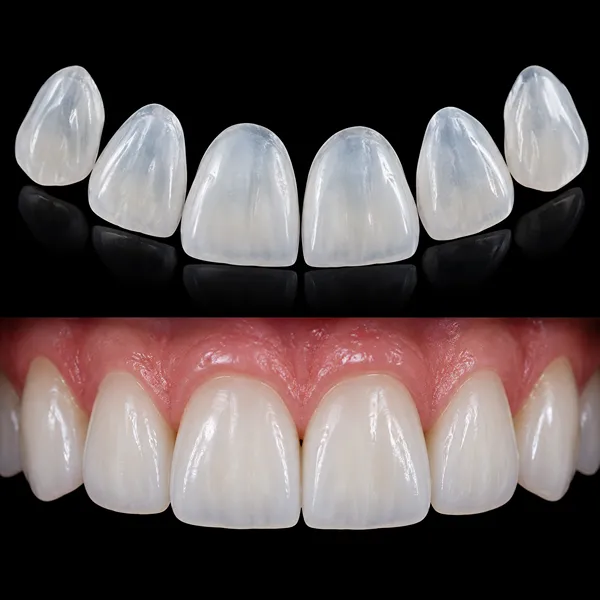
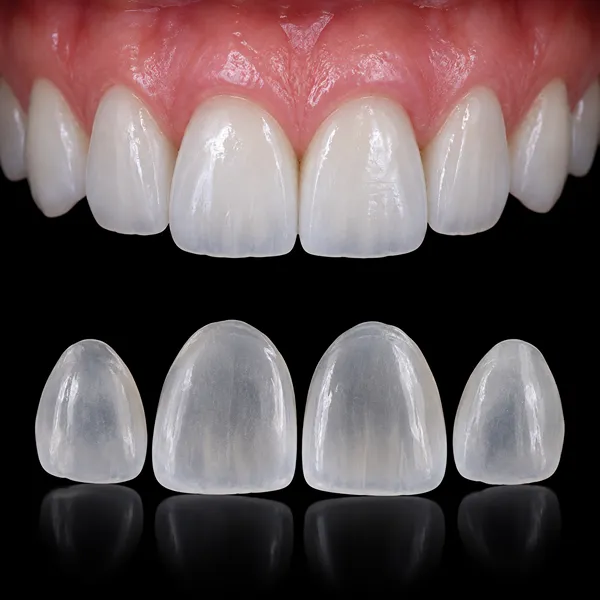
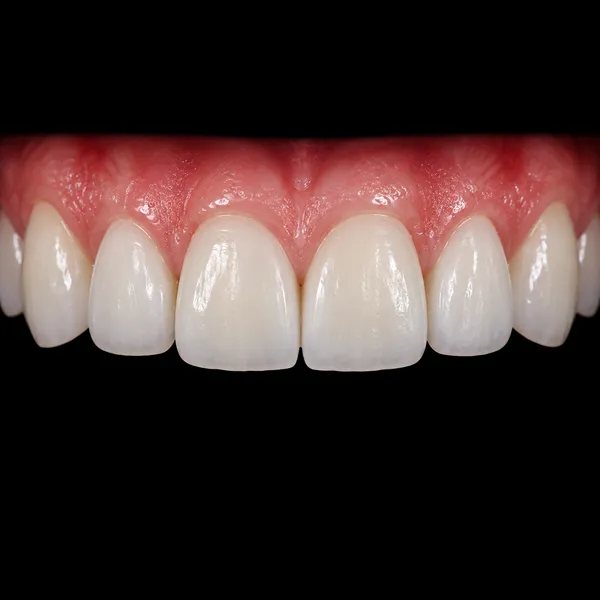
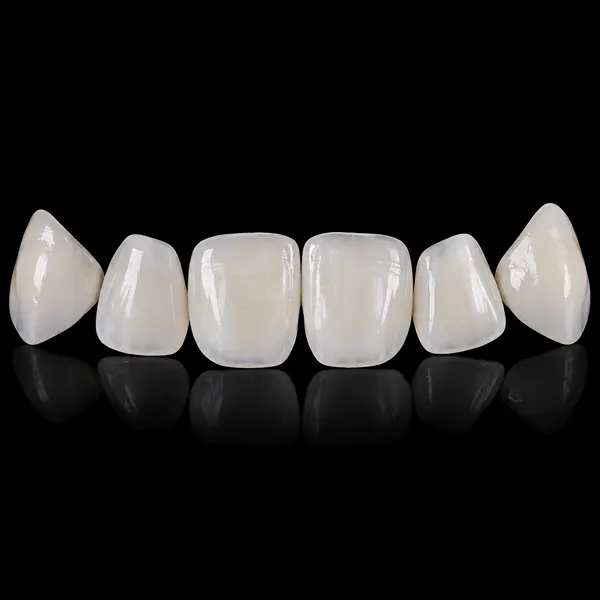
Composite Veneer
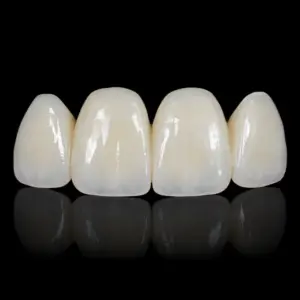
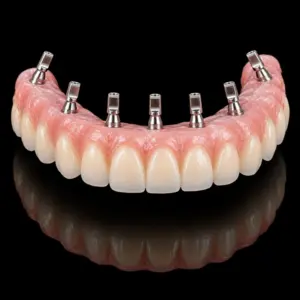
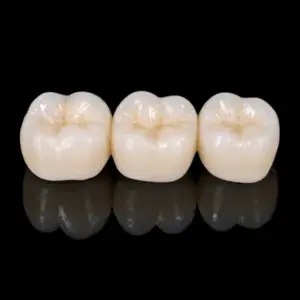
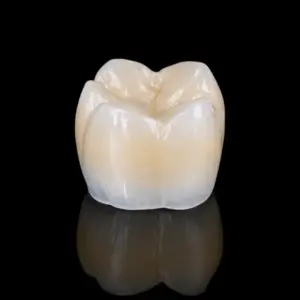
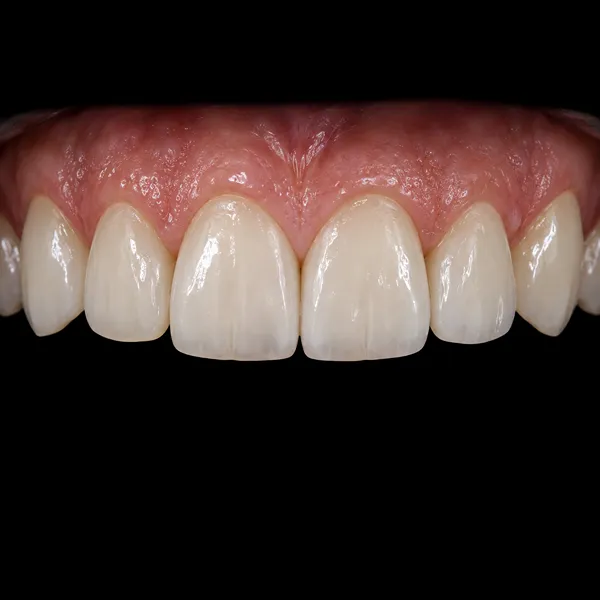
Our composite veneer restorations provide tooth-colored aesthetic options for selected anterior teeth requiring customized changes to shade, morphology and contour. BestoDental offers conventional, minimal-prep, no-prep, indirect and CAD/CAM composite veneer designs to accommodate different preparation and fabrication requirements.
- Conventional, minimal-prep and no-prep composite veneer options
- Direct, indirect and CAD/CAM fabrication workflows
- Customized shade, tooth morphology, contours and surface characterization
- Anterior aesthetic restorations designed according to individual case requirements
Clinical & Technical Information
Composite veneer is an aesthetic restorative material that is used on selected anterior teeth to change the shade, shape, contour and surface appearance. BestoDental offers traditional, minimal-prep, no-prep, indirect and CAD/CAM composite veneer solutions to fit a variety of preparation methods and fabrication processes.
1. Indications
Our composite veneer restorations are suitable for:
- Selected anterior teeth requiring aesthetic enhancement
- Cases requiring customized tooth shape, contour or shade
- Selected cases where minimal or no tooth preparation is appropriate
- Cases requiring indirectly fabricated composite veneers
- Anterior restorations using a digital CAD/CAM workflow
- Cases requiring customized surface anatomy and aesthetic characterization
2. Technical Specifications
| Technical Parameter | Specification |
| Material | Composite Resin / CAD/CAM Composite |
| Restoration Type | Anterior Veneer |
| Available Designs | Conventional, Minimal-Prep, No-Prep, Indirect and CAD/CAM |
| Preparation | Conventional, Minimal-Prep or No-Prep According to Case Requirements |
| Fabrication | Direct, Indirect or CAD/CAM |
| Tooth Morphology | Customized |
| Shade | Customized According to Prescription |
| Surface Characterization | Customized |
| Application | Selected Anterior Aesthetic Restorations |
3. Aesthetics
The aesthetics for our composite veneers is to harmonize the shade, tooth morphology, contour and surface characterization with the adjacent anterior teeth.
1) Composite Material Appearance
A tooth coloured composite resin which can be sculpted and tailored to match the natural appearance of the anterior teeth is available.
2) Shade Coordination
Shade can be tailored to the prescription and matched to adjacent dentition and desired esthetic outcome.
3) Tooth Morphology
The length, width, contours, line angles and other morphologic characteristics of the tooth can be adjusted to the desired veneer design.
4) Surface Texture
Surface anatomy and texture can be tailored to achieve the right composition between the surrounding natural tooth structure and the veneer.
5) Digital and Indirect Design
Indirect and CAD/CAM workflows enable veneer to be controlled to ensure consistent morphology and aesthetic detail is reproduced.
Order FAQs
1. What is the difference between conventional and indirect composite veneers?
There are two types of composite veneer: conventional composite veneers are made on the tooth and indirect composite veneers are made outside the mouth before being placed.
2. What are minimal-prep composite veneers?
Minimal-prep composite veneers are intended for select cases where minimal preparation is appropriate. The veneer is prepared conservatively and customized to enhance certain esthetic qualities.
3. What are no-prep composite veneers?
The aim of no-prep composite veneers is the additive restoration of selected teeth where the morphology and position of the tooth make it possible to place a veneer without conventional tooth preparation.
4. What is the difference between indirect and CAD/CAM composite veneers?
There are two types of indirect composite veneers: indirectly placed composite veneers, which are fabricated in the laboratory, and CAD/CAM composite veneers, which are designed and fabricated with a CAD/CAM system and compatible composite material.
5. Can composite veneers be customized?
Yes. Composite veneers can be customized in terms of shade, tooth morphology, contour, surface anatomy and other aesthetic characteristics according to the prescription.
6. Can composite veneers be used without tooth preparation?
No prep design is recommended for a few cases where the original tooth morphology and position would support an additive veneer. Judging clinical suitability should be done on a case by case basis.
7. What information is required to order composite veneers?
Tooth No. or teeth affected, type of veneer, shade needs, design info etc. should be included in the prescription. Other relevant details about tooth form and tooth preparation and aesthetic preferences can also be given when appropriate.