|
|
Co-Cr Full Cast CrownBestoDental Co-Cr full cast crown is made of cobalt-chromium alloy to offer a sturdy and durable full metal crown for specific full coverage cases. It is a strong material that is highly resistant to corrosion, making it ideal for posterior restorations that demand long-term durability and function.
|
|
|
Ni-Cr Full Cast CrownThe Ni-Cr full cast crown is the Ni-Cr alloy full covering crown, which is a traditional and non-precious metal full covering crown. The cast metal structure can be designed for the required tooth anatomy, margins and occlusal forces.
|
|
|
Noble Full Cast CrownBestoDental Noble full cast crown is produced from a noble metal alloy, total noble metal content ≥25%, for full-coverage restorations requiring favorable corrosion resistance and material stability. It provides an alternative to base-metal alloys for selected cases where a noble metal restoration is prescribed.
|
|
|
High-Noble Full Cast CrownOur High-Noble full cast crown is fabricated from a high-noble alloy, total noble metal content ≥60%. Typically based on gold or other high-noble metal compositions, for premium full-metal restoration applications. The restoration combines high-noble material characteristics with customized anatomical and functional design.
|
|
|
Gold Alloy Full Cast CrownBestoDental Gold Alloy full cast crown is fabricated from a gold-based dental alloy for full-coverage metal restorations with excellent corrosion resistance and favorable long-term material stability. Its gold alloy construction provides a premium option for selected cases requiring a gold-based full cast crown.
|
Full Cast Crown
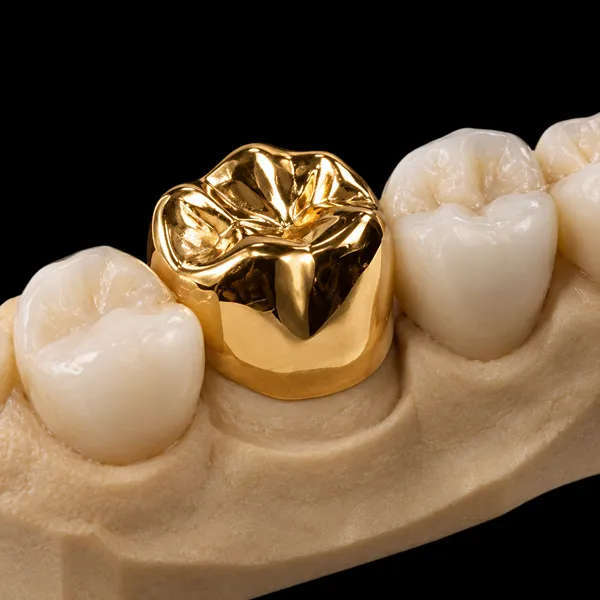
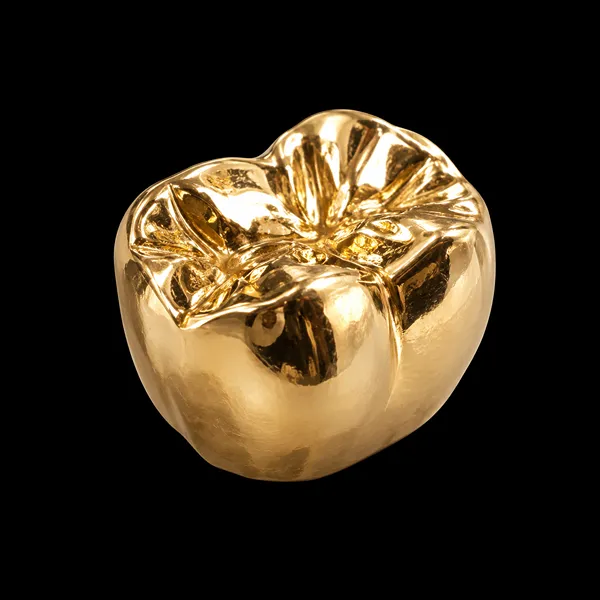
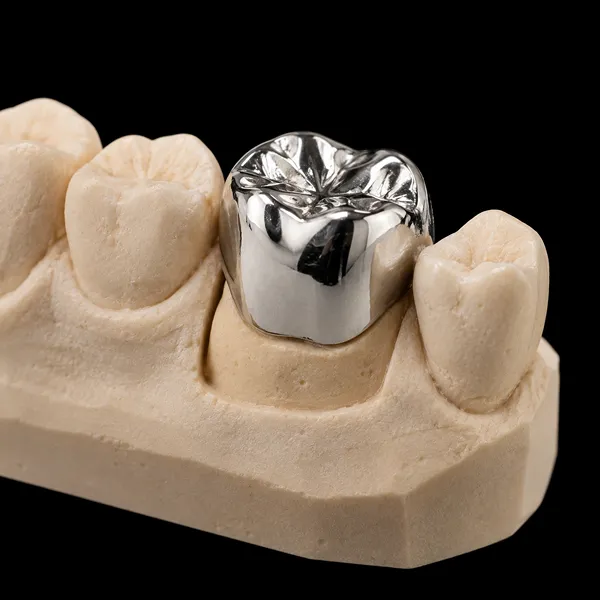
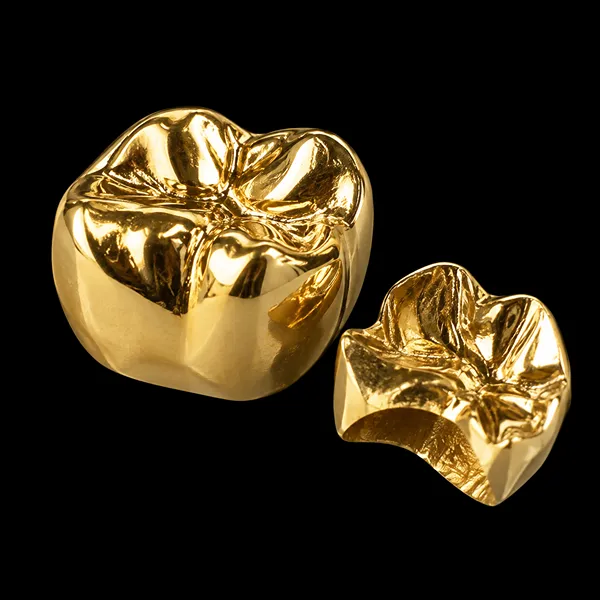
Full Cast Crown
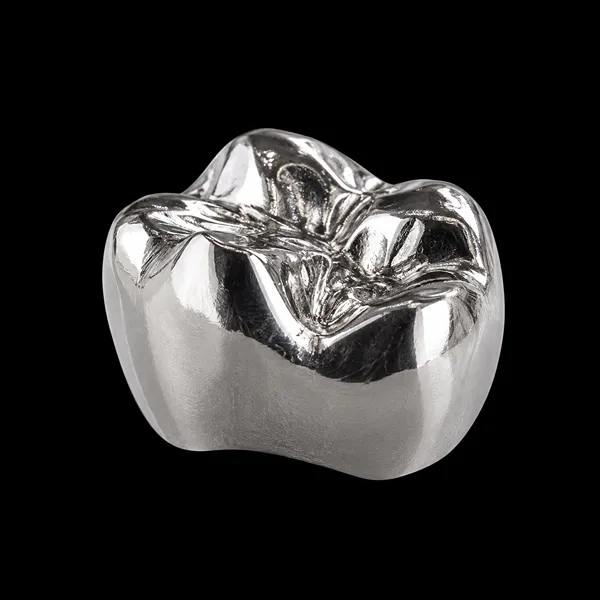
We use Co-Cr, Ni-Cr, Noble, High-Noble and Gold Alloy materials in selected clinical cases offering full coverage metal restoration solutions with our full cast crowns. BestoDental provides multiple alloy types and variations of crown designs to meet functional needs, material options and lab requirements.
- Co-Cr, Ni-Cr, Noble, High-Noble and Gold Alloy full cast crown options
- Different alloy classifications for varied clinical and laboratory requirements
- Customized tooth morphology, margins, proximal contacts and occlusal anatomy
- Full-metal crowns designed for durable coverage and controlled functional performance
Clinical & Technical Information
Full cast crowns are full-coverage metal restorations fabricated from different dental alloys to provide durable functional coverage for selected clinical cases. BestoDental offers Co-Cr, Ni-Cr, Noble, High-Noble and Gold Alloy full cast crown options to accommodate different material classifications, functional requirements and laboratory preferences.
1. Indications
Our full cast crowns are suitable for:
- Posterior teeth requiring full-coverage metal restorations
- Cases requiring durable full-metal crown construction
- Restorations where Co-Cr or Ni-Cr base-metal alloys are prescribed
- Cases requiring Noble or High-Noble alloy options
- Selected restorations where a gold-based alloy is preferred
- Full cast crowns requiring customized anatomical contour and occlusal design
2. Technical Specifications
| Technical Parameter | Specification |
| Available Materials | Co-Cr Alloy, Ni-Cr Alloy, Noble Alloy, High-Noble Alloy and Gold Alloy |
| Restoration Type | Full Cast Crown |
| Alloy Classifications | Non-Precious, Noble and High-Noble Metal Alloys |
| Base-Metal Options | Co-Cr and Ni-Cr Full Cast Crowns |
| Noble Option | Noble Full Cast Crown |
| High-Noble Option | High-Noble Full Cast Crown |
| Gold Alloy Option | Gold Alloy Full Cast Crown |
| Fabrication | Cast Metal Fabrication |
| Tooth Morphology | Customized According to Prescription |
| Occlusal Design | Customized According to Clinical Requirements |
| Surface Finish | Polished or Customized According to Restoration Design |
3. Aesthetics
Aesthetics for full cast crowns focus on accurate anatomical contour, controlled occlusal form and an appropriate final metal surface finish.
1) Anatomical Contour
The external contour is customized according to the prescribed tooth anatomy and surrounding dentition to provide an appropriate full-cast crown form.
2) Occlusal Anatomy
Occlusal anatomy may be planned based on tooth position, opposing dentition and the function(s) required in the prescription.
3) Proximal Contours
Proximal contours and contacts can be customized to correspond with the adjacent teeth and the prescribed restoration design.
4) Margin Design
Margin configuration can be customized according to the preparation and prescription to support appropriate adaptation at the restoration margin.
5) Surface Finish
The metal surface can be polished or finished according to the restoration design to achieve a smooth and controlled external appearance.
Order FAQs
1. What materials are available for full cast crowns?
BestoDental offers Co-Cr, Ni-Cr, Noble, High-Noble and Gold Alloy full cast crown options. Material selection can follow the clinical prescription and laboratory requirements.
2. What is the difference between Co-Cr and Ni-Cr Full Cast Crowns?
They are both non-precious metal, but different alloy compositions. Co-Cr is a rigid cobalt-chromium structure, whereas Ni-Cr is the traditional nickel-chromium structure. The right alloy is required which is determined by the material specifications.
3. What is a Noble Full Cast Crown?
A Noble Full Cast Crown is fabricated from a noble metal alloy and provides a full-coverage metal restoration option with favorable corrosion resistance and material stability.
4. What is a High-Noble Full Cast Crown?
A High-Noble Full Cast Crown is fabricated from a high-noble alloy, typically based on gold or other high-noble metal compositions, gold content ≥40%. It provides a premium material option for selected full-coverage restorations.
5. Can full cast crowns be customized?
Yes. Based on the information of a particular case, external contour and configuration of margins, tooth morphology, proximal contacts and occlusal anatomy can be customized.
6. What information is required to order a full cast crown?
The prescription should contain the number of the tooth, type of restoration, the alloy chosen, details of the preparation, and special margins, contacts, occlusion or morphology specifications. A digital scan, model or other case information can be provided as per the laboratory workflow.