|
|
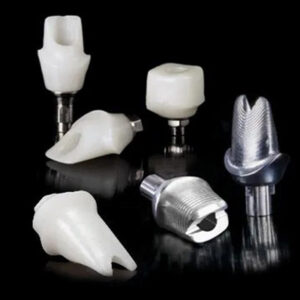
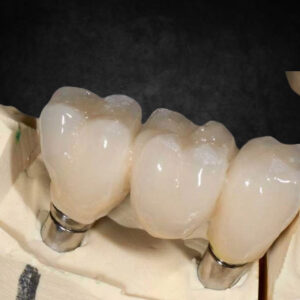
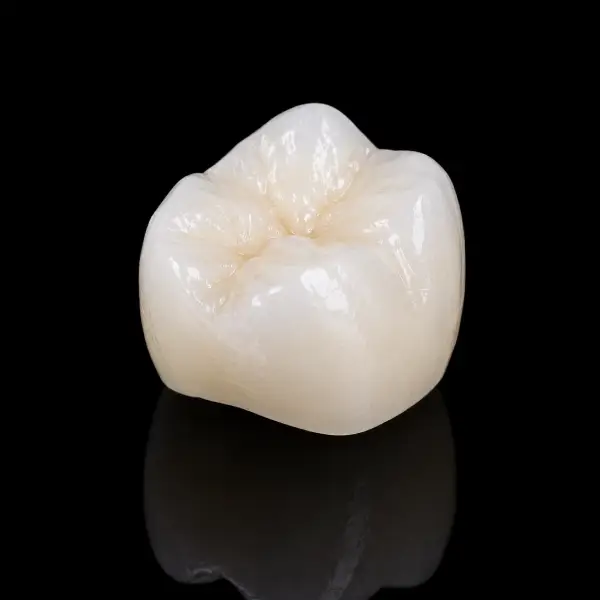
Monolithic Cement-Retained Zirconia CrownBestoDental monolithic cement-retained zirconia crowns are intended for use in implant-supported restorations where the high strength and long-term stability are required. They are made from solid zirconia, giving them high fracture resistance and good performance when subjected to functional occlusal forces. The precision CAD/CAM fabrication guarantees an accurate marginal fit and cementation interface. They’re great for posterior implant crown restorations that demand both esthetic and durable solutions.
|
|
|
Layered Cement-Retained Zirconia CrownOur multi-layered cement-retained zirconia crowns offer an excellent zirconia core with hand stacked porcelain, for enhanced esthetic results. These provide good translucency and natural character and provide good structural support. Digital manufacturing ensures precise marginal adaptation and consistent long-term fit. They are well suited for anterior implant restorations requiring high esthetic performance.
|
|
|
Multilayer Cement-Retained Zirconia CrownBestoDental multilayer cement-retained zirconia crowns are without any porcelain layering, with a natural gradient of shade and translucency. These are a good balance between strength and aesthetics and can be used for any restoration, both anterior and posterior. Accurate fit and stable cement retention interface is achieved through precision digital milling. They are ideal for full-contour implant-supported crown cases.
|
|
|
High Translucency Cement-Retained Zirconia CrownOur high translucency cement-retained zirconia crowns are designed for implant restorations where superior esthetics are the primary requirement. The advanced zirconia material provides enhanced light transmission while maintaining adequate strength for clinical function. Digital fabrication ensures precise marginal fit and predictable cementation performance. They are ideal for highly visible anterior implant restorations.
|
|
|
Full Contour Cement-Retained Zirconia CrownBestoDental full contour cement-retained zirconia crowns are monolithic single-unit restorations that are created to withstand high loading and function without any compromise. They also remove the need for porcelain layering, which means that they will not chip with a high occlusal performance. Accurate fit and stable cement retention is guaranteed by precision CAD/CAM manufacturing. They are ideal for posterior implant-supported crowns under high functional load.
|
Cement-Retained Zirconia Crowns
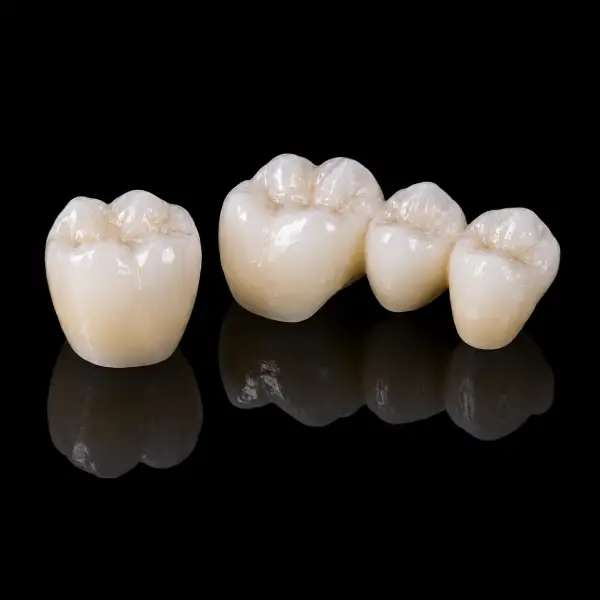
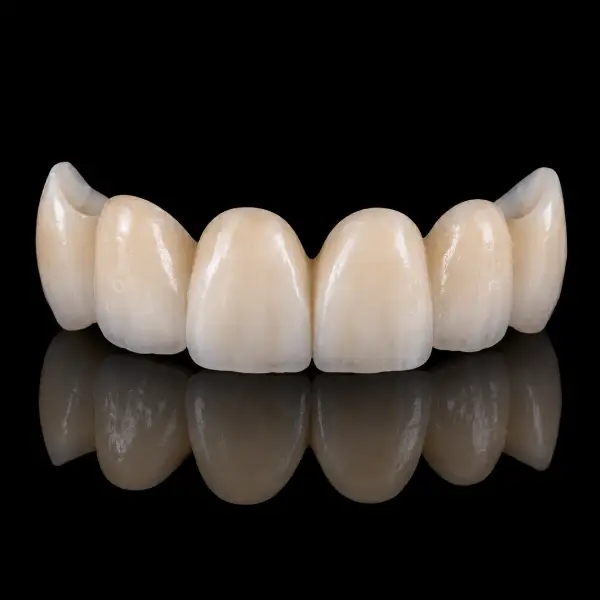
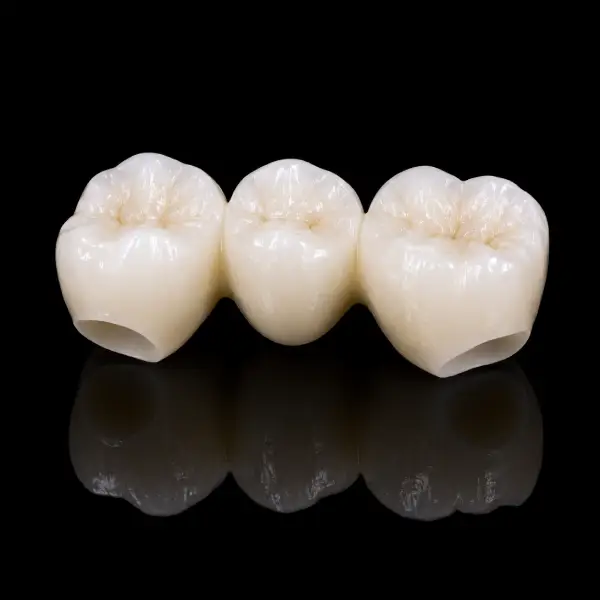
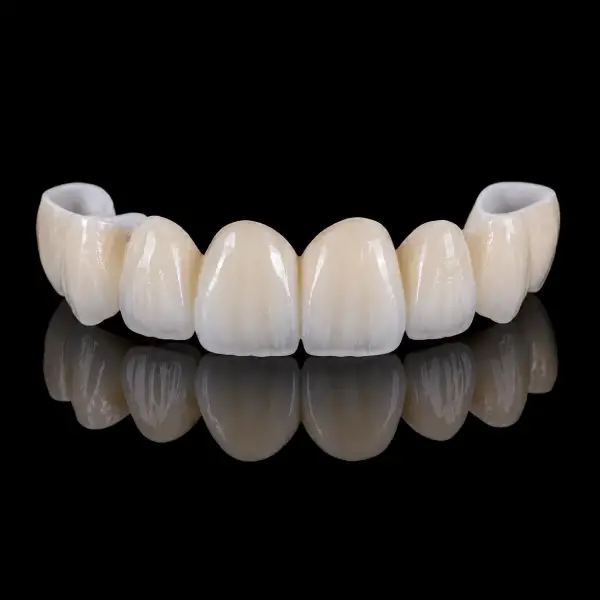
Cement-Retained Zirconia Crowns
Our Cement-Retained Zirconia Crowns are intended to provide strong, esthetic and highly functional restorations in implant-supported single-tooth cases. Ideal for applications where screw access is not ideal, they offer great versatility and natural looking results with an excellent long-term performance.
- High-strength zirconia material provides excellent fracture resistance for posterior and anterior restorations.
- Cement-retained design allows flexible angulation correction and improved esthetics without screw access holes.
- CAD/CAM precision ensures accurate marginal fit and stable occlusion.
- Ideal for cases with unfavorable implant angulation or high esthetic requirements.
Clinical & Technical Information
Cement-retained zirconia crowns are implant-supported restorations specifically designed for excellent esthetics, optimal occlusal function and simplified prosthetic workflow. They are frequently employed in implantology in situations where screw access is not optimal and better esthetic results are desired. Each cement-retained zirconia crown made by BestoDental is manufactured by a fully digital CAD/CAM process, guaranteeing optimal marginal adaptation, stable occlusion and predictable clinical performance over the long term.
1. Indications
Our cement-retained zirconia crowns are suitable for:
- Single implant-supported crown restorations requiring superior esthetics
- Anterior implant cases where screw access would compromise appearance
- Posterior implant restorations with adequate interocclusal space
- Cases requiring optimal emergence profile and soft tissue contouring
- Implant restorations where screw retention is not clinically preferred
- Patients requiring high esthetic demand in the smile zone
- Cases with well-positioned implants allowing ideal crown angulation
- Digital implant workflows based on intraoral scanning or conventional impressions
- Restorations requiring precise occlusal anatomy and contact points
- Patients with metal-free restoration requirements
- Cases requiring stable long-term color and shade performance
- Implant-supported crowns needing simplified prosthetic maintenance
2. Technical Specifications
| Technical Parameter | Specification |
| Material Type | Monolithic zirconia, layered zirconia, multilayer zirconia, high translucency zirconia |
| Product Variants | Monolithic Cement-Retained Zirconia Crown / Layered Cement-Retained Zirconia Crown / Multilayer Cement-Retained Zirconia Crown / High Translucency Cement-Retained Zirconia Crown / Full Contour Cement-Retained Zirconia Crown |
| Restoration Type | Cement-retained implant crown restoration |
| Retention Method | Resin cement adhesive fixation onto abutment |
| Abutment Compatibility | Custom zirconia or titanium abutments |
| Flexural Strength | Approx. 600–1200 MPa depending on zirconia material selected |
| Implant Compatibility | Compatible with major implant systems upon request |
| Manufacturing Process | Fully digital CAD/CAM design and precision milling |
| Marginal Adaptation | High-precision marginal fit for long-term sealing stability |
| Occlusal Design | Customized anatomical occlusion based on digital design |
| Emergence Profile | Optimized for natural soft tissue contouring and esthetic integration |
| Surface Finish | Polished, stained, glazed, or layered ceramic finish |
| Shade System | VITA Classical and VITA 3D-Master compatible |
| CAD/CAM Compatibility | STL, 3Shape, exocad compatible workflows |
| Metal Content | 100% metal-free zirconia crown (excluding titanium base if applicable) |
| Case in Lab Time | Typically 2–3 working days |
3. Aesthetics
Our aesthetics of cement-retained zirconia crowns
1) Superior anterior esthetic integration
Cement-retained design eliminates screw access holes, enabling uninterrupted esthetic surfaces in anterior implant regions.
2) Natural tooth-like translucency
Advanced zirconia materials provide lifelike light transmission and shade matching for seamless integration with adjacent teeth.
3) Optimized gingival emergence profile
Customized crown contours enhance soft tissue support and promote natural peri-implant gingival architecture.
4) High flexibility in esthetic layering
Layered and high translucency options allow enhanced characterization for superior esthetic results.
5) Long-term color stability
Zirconia maintains excellent resistance to staining and discoloration, ensuring consistent esthetics over time.
Order FAQs
1. What information is required for a cement-retained zirconia crown case?
Please provide the patient’s full name, implant position, implant system, and platform size. STL/PLY scan data, scan body information, abutment design requirements (custom or stock), antagonist arch scan, bite registration, and shade selection are required for accurate restoration design.
2. Do you agree with digital impressions and what systems work with it?
Yes. We highly accept digital impressions, and STL and PLY files from the leading intraoral scanners in the market, including 3Shape, exocad, Medit, iTero, and Dental Wings. These files are sent to our CAD/CAM for a precise design of the crown and abutment.
3.What is the average time that is required for cement-retained zirconia crowns?
The production process normally lasts 3-5 working days from receipt of all necessary data and design approval, depending on the specific project. More time may be required for cases which involve custom abutments and/or complex emergence profile design.
4.When is it suggested to use a cement-retained zirconia crown instead of a screw-retained crown?
Cement retained crowns are indicated when an unfavorable angle would prevent screw access, when a more natural occlusal surface is desired without an access channel, or when implant angulation is an issue.
5.The excess cement is treated how to minimize the peri-implant risks?
It is important that the margins of the abutment should be supragingival or equigingival. We also recommend cautious cementation techniques in clinical use to ensure low residual cement and low risk of peri implant inflammation.
6. Is it acceptable to use cement retained crowns in anterior esthetic zones?
Yes. Screw access holes and full anatomical contouring are generally possible with cement-retained zirconia crowns, which is why they are often utilized in the anterior zones.
7. What are some factors to consider for obtaining accuracy of fit and esthetics?
Key factors include accurate scan body positioning, proper abutment design selection, sufficient restorative space, and precise bite registration. Shade information and gingival contour details also help optimize esthetic outcomes.